2026 Top Picks for the Best Windows You Must Consider?
As we approach 2026, the demand for high-quality windows in construction and home improvement continues to rise. According to recent industry reports, the global window market is projected to reach $230 billion by 2025, driven largely by innovations in energy efficiency and design. Homeowners now seek the best windows that not only enhance aesthetics but also comply with sustainability standards.
In this context, the introduction of advanced materials and AI technologies at events like the 2026 Canton Fair will play a crucial role. For example, AI-driven features will help buyers identify suppliers that meet essential certifications such as ISO and CE. This enhancement could redefine the landscape of window procurement, allowing buyers to navigate vast exhibits efficiently.
However, choosing the best windows is not without challenges. Many options exist, creating confusion among consumers. It’s essential to balance performance, durability, and cost. Striking this balance requires careful consideration. This guide will help you navigate these decisions and explore what truly makes a window standout in quality and efficiency.

Understanding Window Energy Efficiency Ratings for 2026 Selection
When selecting windows for 2026, energy efficiency ratings are critical. These ratings provide insight into a window's performance. They help you understand how well a window insulates your home. Look for the Energy Star label, which indicates high efficiency. U-factor is essential too. It measures heat transfer. Lower U-factors mean better insulation.
Tips: Check the window's Solar Heat Gain Coefficient (SHGC). This rating tells you how much solar heat enters through the window. A low SHGC is ideal for hot climates. In cooler areas, a higher SHGC can be beneficial. Always compare these ratings. Each window can differ significantly.
Consider the design and material as well. Vinyl, wood, and fiberglass are common choices. Each comes with its benefits and drawbacks. Vinyl is low-maintenance, while wood offers a classic look. However, wood needs more care to last. Think about your climate. Suitable windows enhance comfort and energy savings. Not all windows work everywhere; choose wisely.
2026 Top Picks for the Best Windows You Must Consider
| Window Type |
Energy Efficiency Rating (U-value) |
Solar Heat Gain Coefficient (SHGC) |
Price Range ($) |
Lifespan (Years) |
| Double Glazed Vinyl |
0.27 |
0.25 |
300 - 600 |
20 - 30 |
| Triple Glazed Wood |
0.20 |
0.22 |
500 - 800 |
30 - 50 |
| Aluminum Clad |
0.25 |
0.30 |
400 - 700 |
25 - 40 |
| Fiberglass Windows |
0.22 |
0.24 |
600 - 900 |
25 - 50 |
| Vinyl Slider Windows |
0.30 |
0.28 |
200 - 500 |
15 - 25 |
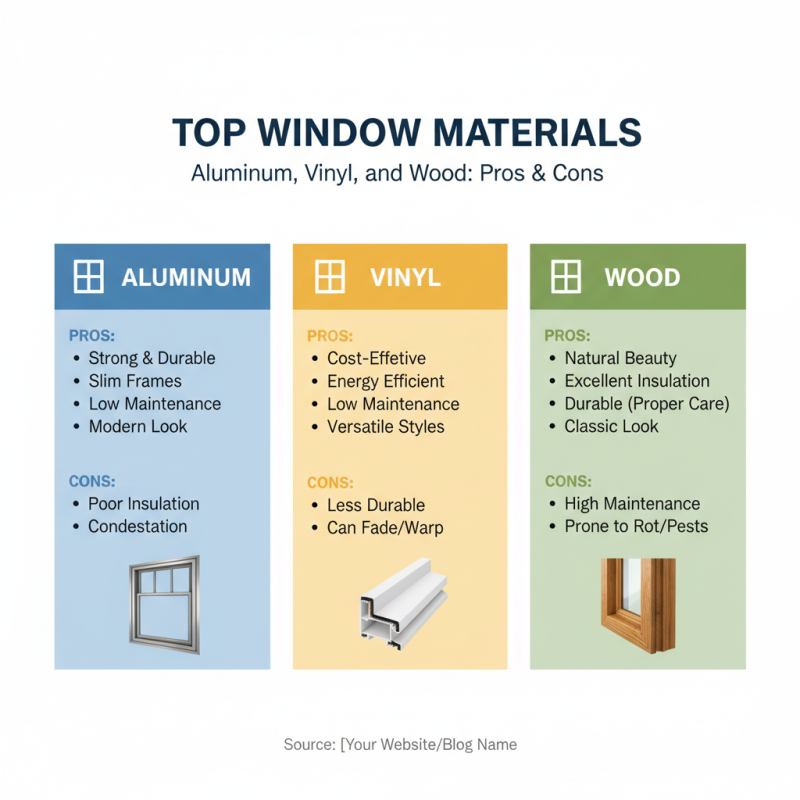
Top Material Choices for Windows: Aluminum, Vinyl, and Wood
When choosing windows, the material is crucial. Aluminum, vinyl, and wood are popular options. Each material has distinct advantages and challenges.
Aluminum windows are known for their strength and durability. They can withstand extreme weather conditions. However, they may conduct heat and cold. According to industry reports, aluminum frames can lose up to 30% of energy through thermal transfer. Homeowners should consider this aspect carefully.
Vinyl is another strong choice. It offers good insulation properties and requires minimal maintenance. A 2021 study found that vinyl windows reduced energy bills by an average of 15%. Still, they can expand and contract with temperature changes. This may lead to warping over time.
Wood windows provide aesthetic appeal and natural insulation. They can blend beautifully with any architectural style. However, wood requires regular maintenance. It is susceptible to rot and insect damage. Data suggests that more than 20% of homeowners face issues with wood windows within a decade. Each material has its pros and cons. Choose thoughtfully for long-term satisfaction.
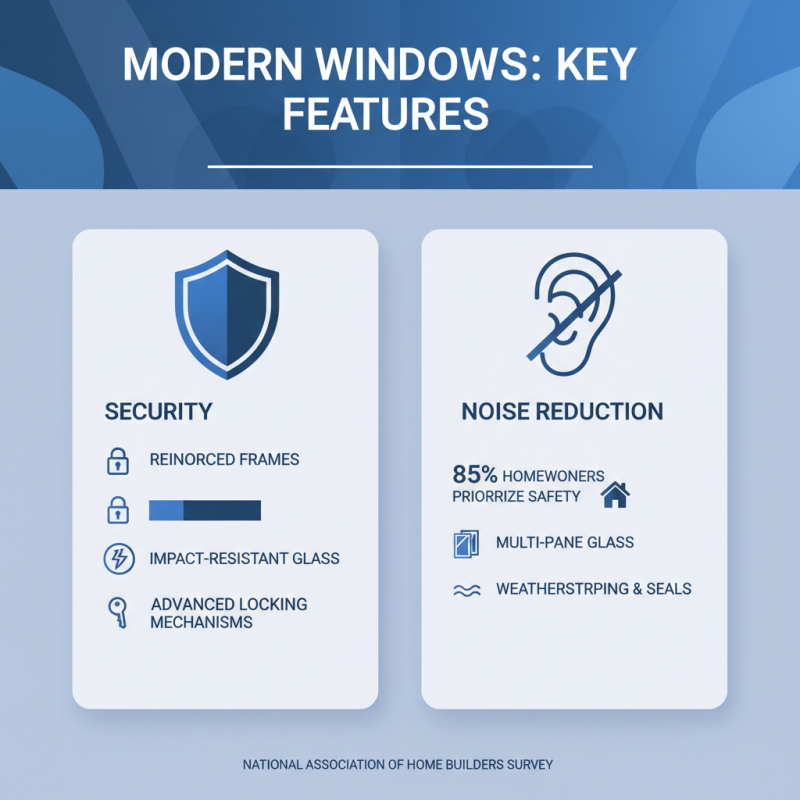
Key Features to Look for in Modern Windows: Security and Noise Reduction
When selecting modern windows, security and noise reduction are critical features. A survey from the National Association of Home Builders reported that 85% of homeowners prioritize safety when choosing windows. Window locks, reinforced frames, and impact-resistant glass provide essential protection against break-ins. Advanced locking mechanisms can deter potential intruders, making it essential to evaluate these features prior to purchase.
Noise reduction is equally important. According to the EPA, noise pollution can affect health and well-being. Windows can significantly influence indoor comfort by decreasing outside noise intrusion. Double or triple-pane glass improves insulation against sound, achieving a reduction of up to 30 decibels. However, some homeowners overlook this aspect, only realizing the impact when they experience disturbances from traffic or neighbors.
Investing in high-quality windows may seem costly. Yet, the benefits of enhanced security and noise reduction create a worthwhile return. Many overlook long-term savings on energy bills too. Properly sealed windows can save homeowners 15% on heating and cooling costs. Small adjustments can yield significant results. However, finding a balance between price and quality remains a challenge for many.
Current Trends in Window Technology: Smart Windows and Energy Savings
In recent years, window technology has made significant strides, especially with the rise of smart windows. These innovative products use advanced materials that can adjust their tint based on sunlight. According to a report by the International Energy Agency, smart windows can reduce energy consumption by up to 30%. This is an impressive figure, given the global energy crisis we face today.
Energy savings are a primary focus for homeowners and builders alike. Many modern windows now feature enhanced insulation, which means better temperature control inside buildings. A recent study indicates that energy-efficient windows can decrease heating and cooling bills by approximately 25%. This can lead to substantial savings over time, but installation costs may deter some consumers.
However, not all smart windows are created equal. Some products might not respond as expected in extreme weather conditions. This inconsistency raises concerns among potential buyers. Additionally, the technology behind these windows can be complex and may require regular maintenance. Understanding these challenges is essential for making informed decisions when selecting the best windows for your home.
Comparative Analysis: Cost vs. Long-Term Benefits of Top Window Brands
When considering windows for your home, a comparative analysis of cost versus long-term benefits is essential. Research shows that high-quality windows can save homeowners an average of 20% on energy bills. Investing in better insulation can yield return rates exceeding 70% over time. These savings make a compelling case for choosing wisely.
Tips: Focus on energy efficiency ratings. Windows with a high R-value offer better insulation, which helps reduce heating costs. Additionally, consider the life expectancy of different materials. Some might have lower upfront costs but require frequent replacements or repairs.
It's important to reflect on your budget. While cheaper options may seem attractive, they can lead to higher long-term costs due to reduced durability. Installation is another key factor. Poor installation can negate any savings from low-priced windows. Always invest time in researching the installation process.
2026 Top Picks for the Best Windows: Cost vs. Long-Term Benefits