What Are Able Windows and Why Do Buyers Choose Them?
Able windows are commonly discussed as replacement or new-build windows designed to improve comfort, appearance, and everyday performance. The phrase may also describe a specific supplier or product range, depending on the market. It is not always a universal technical classification. Buyers should check the manufacturer’s specifications before making assumptions.
In practical terms, a well-made window can reduce draughts around a living room frame and soften outdoor noise. Low-emissivity glass may help retain indoor heat during cold evenings. Proper seals can also limit moisture entering around the edges. These details matter more than attractive photographs. Installation quality matters just as much.
Buyers often compare able windows by material, glazing, security hardware, warranty coverage, and expected maintenance. A homeowner may prefer slim frames for more daylight. Another may value stronger locks after noticing a loose handle on an older window. Energy ratings provide useful guidance, but they do not tell the whole story. Wall construction, ventilation, and fitting accuracy also affect results.
The honest answer is less dramatic.
No window solves every problem.
Experienced installers usually inspect openings before recommending a product. They measure carefully, explain limitations, and provide written quotations. Independent reviews can add perspective, although reviews may not reflect every property or climate. Some claims deserve closer questions, especially promises of major savings without supporting test data. Understanding these factors helps buyers choose able windows with realistic expectations, clearer priorities, and greater confidence.
What Are Able Windows? Materials, Styles, and Core Product Features
Able windows generally describe adaptable, practical window systems designed for varied building needs. They may suit new construction, renovations, apartments, and energy-conscious homes. The term does not identify one fixed material or style. Product details should always be checked with technical documentation.
Frame materials influence appearance, strength, maintenance, and thermal performance. Vinyl frames resist moisture and usually need little upkeep. Aluminum frames provide slim sightlines and strong structural support. Wood offers natural warmth but requires regular sealing or painting. Composite frames combine materials to balance durability and insulation. Each option has trade-offs.
There are several common styles. Casement windows open outward with a crank, helping direct fresh air indoors. Sliding windows move horizontally and work well where exterior clearance is limited. Awning windows hinge at the top and can remain slightly open during light rain. Fixed windows provide daylight without ventilation. Picture windows create broad views, but they cannot be opened.
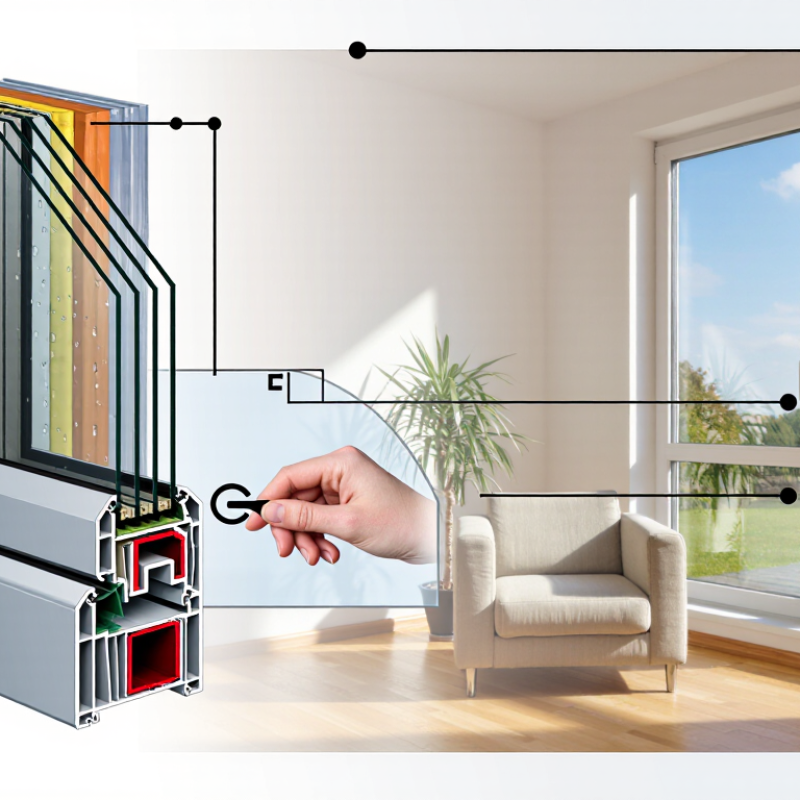
Core features deserve careful attention. Look for insulated glass, low-emissivity coatings, secure locking points, and weather-resistant seals. A multi-chamber frame may reduce heat transfer. Good installation matters just as much. Even a well-rated window can leak if the opening is poorly measured or flashed. That detail is easy to underestimate.
Performance labels can be useful, but they are not the whole decision. Local climate, wall orientation, noise exposure, and cleaning access also matter. I would question any claim that one style fits every home. A qualified installer should verify measurements, drainage paths, and compliance with local building requirements before ordering.
What Are Able Windows and Why Do Buyers Choose Them?
Able windows are practical, performance-focused window systems selected for energy efficiency, comfort, durability, and design flexibility. The chart compares representative U-factor values for common glazing styles; a lower U-factor indicates better insulation.
Buyers commonly choose double- or triple-pane low-emissivity glass because it reduces heat transfer while allowing choices among vinyl, wood, fiberglass, and aluminum frames. Actual performance varies by frame, spacer, coating, gas fill, and window size. Representative ranges are based on guidance from the U.S. Department of Energy and ENERGY STAR window-performance references.
How NFRC U-Factor and SHGC Ratings Measure Able Window Performance
What Are Able Windows and Why Do Buyers Choose Them?
Window performance is often judged by two NFRC ratings: U-factor and SHGC. U-factor measures how quickly heat passes through the window. Lower values indicate better insulation. SHGC measures how much solar heat enters through the glass. A lower SHGC can reduce summer cooling demand, while a higher value may help warm sunny rooms in winter.
These numbers matter because the U.S. Department of Energy reports that windows can account for 25% to 30% of residential heating and cooling energy use. NFRC-certified ratings give buyers a controlled comparison between products. Still, the label is not the whole story. Frame material, glazing layers, edge spacers, orientation, and installation quality can change real-world results.
For example, a south-facing window may receive strong afternoon sunlight. A low-SHGC option could keep the nearby sofa cooler. In a cold climate, a low-U-factor window may reduce the cold surface feeling near the glass. That difference is noticeable.
Ratings have limits.
NFRC testing uses standardized conditions, not every home’s weather or installation details. The National Fenestration Rating Council also explains that certified values should be compared consistently across products. Buyers should review local climate guidance, room orientation, and air leakage performance before deciding. I have found that many comparisons focus on the lowest U-factor alone. That can be misleading. Better performance depends on matching both ratings to the building, not chasing one impressive number.
What Are Able Windows and Why Do Buyers Choose Them? - How NFRC U-Factor and SHGC Ratings Measure Able Window Performance
The table below summarizes typical performance ranges for common residential window configurations. Actual NFRC ratings vary by frame material, glass package, spacer, dimensions, and operating style. Lower U-factor and air-leakage values generally indicate better insulating and sealing performance.
| Window Configuration |
NFRC U-Factor
(Btu/h·ft²·°F) |
NFRC SHGC
(0–1 scale) |
Visible Transmittance
(VT) |
Air Leakage
(cfm/ft²) |
Condensation Resistance
(CR) |
Typical Buyer Benefit |
| Single-pane clear glass |
0.90–1.20 |
0.70–0.85 |
0.75–0.90 |
0.30–0.50 |
20–35 |
Lower initial cost and high daylight, but limited insulation and greater heat transfer. |
| Double-pane clear glass |
0.45–0.60 |
0.55–0.75 |
0.55–0.75 |
0.20–0.30 |
35–50 |
Improved comfort and energy performance compared with single-pane glazing. |
| Double-pane low-emissivity glass |
0.25–0.35 |
0.25–0.55 |
0.45–0.70 |
0.10–0.20 |
45–65 |
A balanced choice for reducing heat loss, solar heat gain, drafts, and interior surface condensation. |
| Triple-pane low-emissivity glass |
0.15–0.25 |
0.20–0.45 |
0.40–0.65 |
0.05–0.15 |
55–75 |
Strong insulation, quieter interiors, and enhanced comfort in colder or highly exposed climates. |
How to read the key NFRC ratings:
- U-Factor: Measures the rate of heat transfer through the complete window. Lower values indicate better insulating performance.
- SHGC: Measures the fraction of solar radiation admitted through the window. Lower values reduce unwanted summer heat gain; higher values can provide useful passive solar heat in colder climates.
- Visible Transmittance: Indicates how much visible daylight passes through the glazing. Higher values generally provide more natural light.
- Air Leakage: Measures the volume of air passing through a window assembly under standardized pressure. Lower values indicate a tighter window.
- Condensation Resistance: Uses a relative 0–100 scale. Higher values indicate greater resistance to interior condensation under test conditions.
Why Windows Matter: DOE Links Them to 25–30% of Home Energy Use
Able windows are designed to control heat, sunlight, moisture, and outdoor noise more effectively. Their performance depends on glazing, frame materials, seals, and installation quality. In practical terms, a good window should reduce drafts in winter and limit unwanted heat during summer.
The U.S. Department of Energy estimates that windows can account for about 25–30% of a home’s heating and cooling energy use. That figure makes windows more than a design feature. A poorly sealed frame can let conditioned air escape while outdoor air enters. You may notice it near a chair, a curtain, or the edge of a bedroom floor. Small gaps matter.
When comparing windows, homeowners should examine U-factor, solar heat gain coefficient, visible transmittance, and air leakage ratings. Lower U-factor generally means better insulation. Solar heat gain needs careful attention in sunny rooms. A low number may help one climate but reduce useful winter warmth in another. Installation is equally important. Even an efficient window can underperform if the opening is not sealed correctly.
Replacement is not always the best answer. Sometimes exterior shading, weatherstripping, or repaired flashing solves the real problem. I have found that visible condensation can suggest poor ventilation, not only a defective window. That distinction is easy to miss. Buyers should review local climate needs, existing wall insulation, and installer credentials before paying for upgrades. Context matters.
How Able Windows Compare on Cost, Lifespan, and Replacement Value
Window replacement decisions usually begin with cost, but the cheapest quote can age poorly. The U.S. Department of Energy reports that windows may account for 25–30% of household heating and cooling energy use. Better-performing units can reduce drafts, interior temperature swings, and monthly energy waste. Still, savings depend on climate, installation quality, shading, and existing wall insulation. Numbers vary.
Lifespan matters more than a showroom promise. Industry service-life estimates commonly place well-maintained replacement windows around 20–40 years, depending on frame material, glass, hardware, and exposure. Coastal moisture, intense sunlight, and poor drainage can shorten that range. A professional inspection should check sill damage, air leakage, and opening measurements before pricing the project. Installation is not a minor detail.
Replacement value is more complicated. Remodeling Magazine’s 2024 Cost vs. Value Report estimated an average vinyl window replacement at $21,264, with about $14,270 recovered at resale, or 67.1%. That figure is national, not personal. Local labor rates, buyer expectations, and energy costs may change the result. A 67% return still means the homeowner pays for comfort and performance, not only resale. Buyers often notice quiet rooms, smoother operation, and clean trim before they see technical ratings. Payback can also disappoint when windows are replaced for appearance alone. EPA and DOE guidance support comparing U-factors, solar heat-gain coefficients, air leakage ratings, and warranty terms rather than relying on labels.