Top 10 Benefits of Using Acoustic Metal Panels for Your Projects?
Acoustic Metal Panels have gained significant popularity in modern architecture and design. These panels offer a unique blend of durability and aesthetic appeal, making them ideal for various applications. They enhance sound quality while contributing to the overall look of a space. Their versatility is appreciated in commercial, industrial, and residential projects alike.
When considering construction materials, the benefits of Acoustic Metal Panels stand out. They help reduce unwanted noise, creating a more pleasant environment. Additionally, these panels are easy to maintain, ensuring long-term performance. Their resistance to corrosion adds to their longevity, which is essential in high-traffic areas.
However, choosing the right acoustic solution is not always straightforward. While these panels are a strong option, factors such as installation methods and design choices also play critical roles in achieving optimal results. Understanding the full potential of Acoustic Metal Panels requires careful consideration and expertise. Embracing this knowledge can lead to enhanced environments that truly resonate with users.
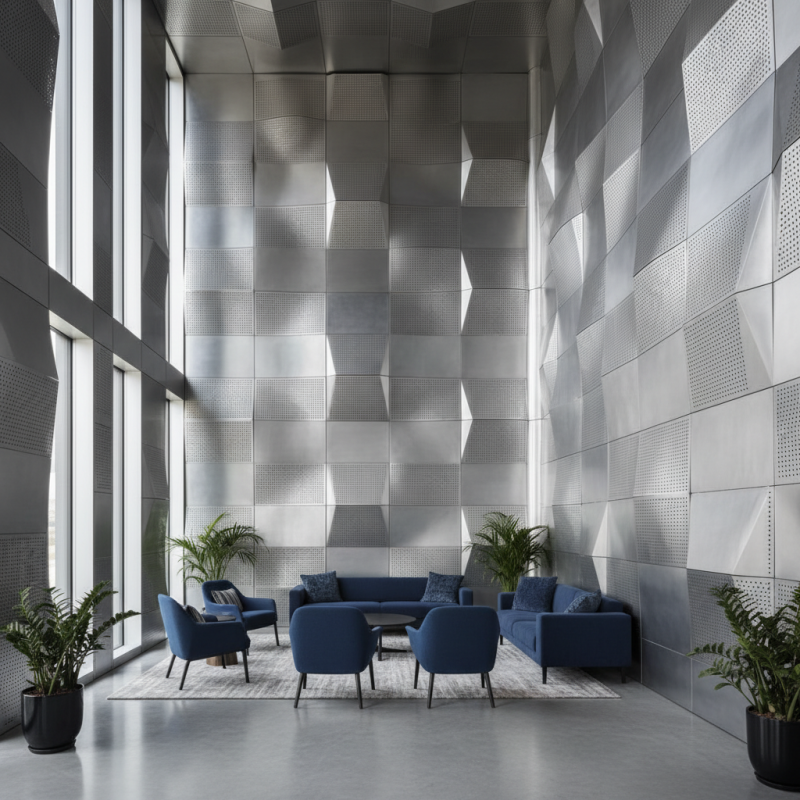
Benefits of Acoustic Metal Panels: Overview of Noise Reduction Capabilities
Acoustic metal panels are becoming increasingly popular for their impressive noise reduction capabilities. Research indicates that these panels can effectively reduce sound transmission by up to 85%. This level of sound absorption makes them suitable for various settings, from concert halls to busy office spaces. Studies show that in environments where noise levels exceed 85 dB, such as manufacturing facilities, acoustic treatments can lower discomfort and promote better focus.
The unique construction of acoustic metal panels aids in their effectiveness. Often made with perforated designs, they trap sound waves, preventing reflections and echo. A report by the International Journal of Acoustics highlights that properly installed panels reduce reverberation times, enhancing the clarity of speech. Spaces with good acoustic treatment can see productivity increase by nearly 35%. However, not all settings have perfect acoustics. Some users may notice lingering echoes due to improper placement.
While the benefits are substantial, achieving optimal results can sometimes require expert installation. Regular assessments are necessary to ensure panels maintain their effectiveness. For instance, dust and dirt can accumulate, diminishing their noise reduction capabilities. By regularly cleaning and examining panels, facilities can sustain their acoustic performance. Investing in acoustic metal panels is strategic, offering long-term gains in sound quality and user satisfaction.
Enhanced Aesthetic Appeal: Design Versatility in Commercial Spaces
Acoustic metal panels offer a unique blend of functionality and aesthetics. They can enhance the look of commercial spaces, providing design versatility not often found in other materials. These panels come in various colors and finishes, allowing architects and designers to create stunning environments. Whether it's a corporate office or a trendy café, the right choice of acoustic metal panels can transform the ambiance.
When selecting acoustic panels, think about the overall theme of the space. You want materials that complement your design vision. Consider different textures and shapes. Panels can feature smooth surfaces or alluring patterns, adding depth. Don't shy away from bold colors. They can energize a room or provide a calming effect, depending on the palette chosen.
Tips: Make sure to think about lighting when choosing your panels. Good lighting can highlight the beauty of the metal while reducing glare. Also, take time to research installation techniques. Proper installation can significantly impact both sound absorption and appearance. Lastly, pay close attention to the sustainability of the materials. Eco-friendly options can provide peace of mind without compromising style.
Sustainability and Durability: Longevity of Acoustic Metal Panels
Acoustic metal panels are becoming increasingly popular due to their remarkable sustainability and durability. These panels are crafted from recyclable materials like aluminum and steel, contributing to a greener environment. According to the U.S. Green Building Council, recycled metal can significantly reduce carbon footprints. This has raised interest among architects and builders keen on sustainable construction.
The longevity of acoustic metal panels is another major advantage. They can withstand harsh weather, avoiding deterioration over time. A study from the American Institute of Architects highlights that high-quality metal panels can last over 30 years with minimal maintenance. This durability leads to lower lifecycle costs, making it a wise investment.
Tips for using acoustic metal panels in your projects:
- Consider local climate conditions. Panels perform best in environments suited to their materials.
- Collaborate with specialists who understand acoustics. Their insights can help in optimizing designs for sound absorption.
- Regular inspections are important too; even durable materials need occasional checks to maintain their integrity.
This kind of proactive approach can enhance the lifespan and functionality of acoustic panels.
Cost-Effectiveness: Analyzing Long-Term Financial Benefits
Acoustic metal panels are a smart investment for many projects. Their cost-effectiveness often gets overlooked, yet the long-term savings can be substantial. While the initial costs may seem high, consider the durability they offer. These panels are resistant to wear and tear, reducing the need for frequent replacements. This aspect alone can lead to significant financial benefits over time.
Maintenance is another critical factor. Unlike traditional materials, acoustic metal panels require minimal upkeep. This can translate into lower maintenance costs and less downtime for repairs. In busy environments, minimizing disruptions is crucial. Efficient sound absorption also enhances productivity, contributing to better workflow and ultimately higher profits.
Reflecting on their advantages, it’s important to consider specific project needs. Not every application may justify their use from a cost perspective. In some cases, alternative materials could be more suitable. Understanding these nuances can lead to better financial decisions. Balancing upfront costs with long-term benefits is essential for a successful project outcome.
Applications in Various Industries: Use Cases of Acoustic Metal Panels
Acoustic metal panels have gained traction across various industries. Their effectiveness in sound absorption makes them valuable in settings like airports and auditoriums. According to the "Acoustic Control Market Report", these panels can reduce noise levels by up to 45 decibels, enhancing the auditory experience.
In healthcare, acoustic metal panels are crucial. Hospitals need quiet environments for patient recovery. A study by the "Journal of Hospital Medicine" noted that noise reduction improves patient satisfaction scores. In educational facilities, reasoned environments promote better learning. Research shows lower noise levels can boost concentration and academic performance by 20%.
Tip: When selecting acoustic metal panels, consider the thickness and density. Thicker panels often provide better sound insulation.
The industrial sector also benefits from these panels. Machinery can produce disruptive sounds, impacting workforce productivity. Integrating acoustic panels can reduce noise pollution, creating a more pleasant workplace. However, the initial investment may be significant.
Tip: Evaluate long-term savings through improved productivity. Weigh the costs of installation against potential losses due to noise-related issues.
