What is the Best Type of House Windows for Energy Efficiency?
When it comes to energy efficiency in homes, choosing the right house windows is crucial. According to the U.S. Department of Energy, windows account for 25% to 30% of residential heating and cooling energy use. Selecting energy-efficient windows can significantly lower energy bills. Expert Jamie Smith, a leading consultant in the house windows industry, states, "Investing in quality windows pays off in both comfort and savings."
The variety of options available can be overwhelming. Double or triple glazing, Low-E coatings, and argon gas filling are popular choices. Each feature aims to improve insulation and reduce heat transfer. However, not all house windows fit every climate or home style. Homeowners often face confusion and can overlook the importance of local conditions.
Even with advanced technology, not every type of window may be the best fit. Taking time to understand features is essential. A common mistake is to prioritize aesthetics over performance. Energy efficiency requires a mindful approach. Selecting the right house windows needs a balance of style, function, and long-term benefits.
Types of Windows and Their Impact on Energy Efficiency
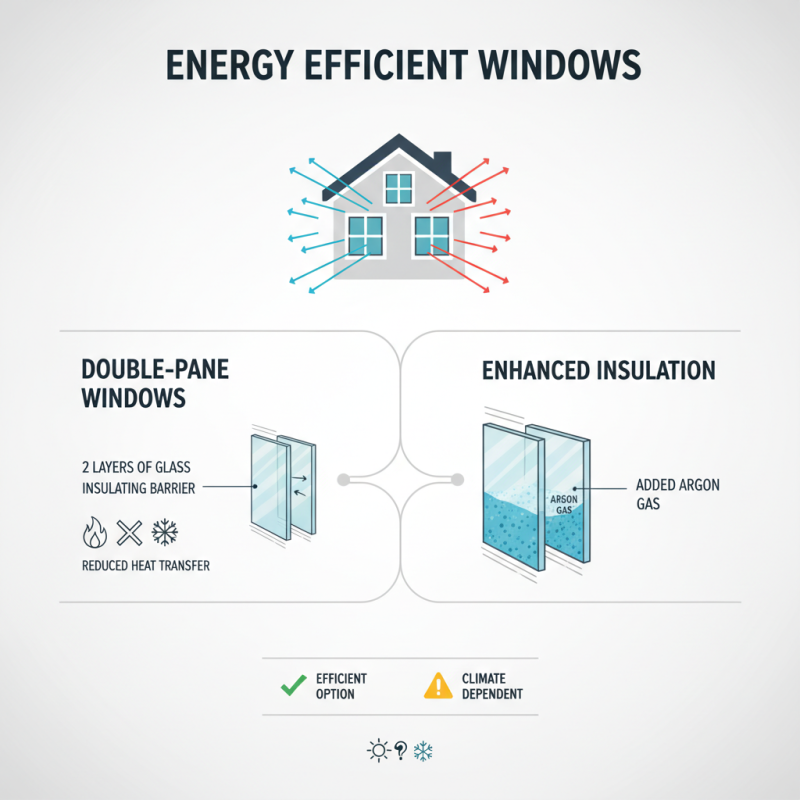
Choosing the right windows plays a significant role in a home's energy efficiency. Different window types cater to various needs. For instance, double-pane windows feature two layers of glass. These create an insulating barrier that reduces heat transfer. Adding inert gas like argon between the panes further enhances insulation. This option often proves efficient but may not always be suitable for every climate.
Vinyl windows are another popular choice. They are durable and require minimal maintenance. Their thermal performance is noteworthy, but the quality can vary. Homeowners often overlook installation quality. Poorly installed windows can lead to air leaks, negating their benefits. On the other hand, fiberglass windows are strong and energy-efficient. They resist warping and can handle temperature fluctuations, which is critical for some regions.
Ultimately, consider the local climate and your home’s design. Reflect on your long-term energy goals. Many people rush into decisions, focusing solely on aesthetics. However, the right windows can yield significant savings over time. Choosing energy-efficient windows is not just a trend; it's an investment in sustainability. But, remember to evaluate your choices carefully, as the best windows for one home may not suit another.
Understanding Window Styles: Single, Double, and Triple Glazing
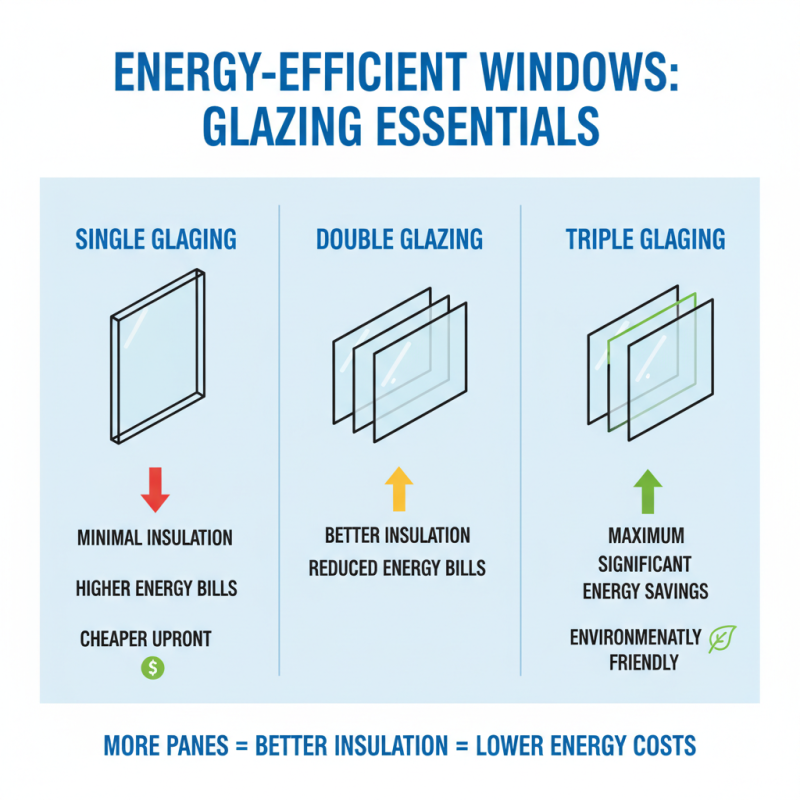
When considering energy-efficient windows, glazing is essential. The choice between single, double, and triple glazing can significantly impact insulation. Single glazing consists of one pane of glass. While it may be cheaper upfront, it offers minimal insulation and can lead to higher energy bills.
Double glazing uses two panes of glass, creating an insulating barrier. The space between the panes often contains argon gas, which improves efficiency. This option significantly reduces heat loss. Many homeowners prefer double glazing for its balance of cost and effectiveness. However, it may not fit all budgets or design preferences.
Triple glazing offers superior insulation with three panes. It can dramatically lower energy loss in extreme climates. Yet, it is heavier and may require stronger window frames. Some might find it unnecessary if they live in milder regions. Understanding these options ensures better choices for energy savings and comfort. Each type has its pros and cons, and learning what fits your needs best takes time.
The Role of Window Frames in Thermal Performance
When choosing windows for a home, the window frame plays a crucial role in energy efficiency.
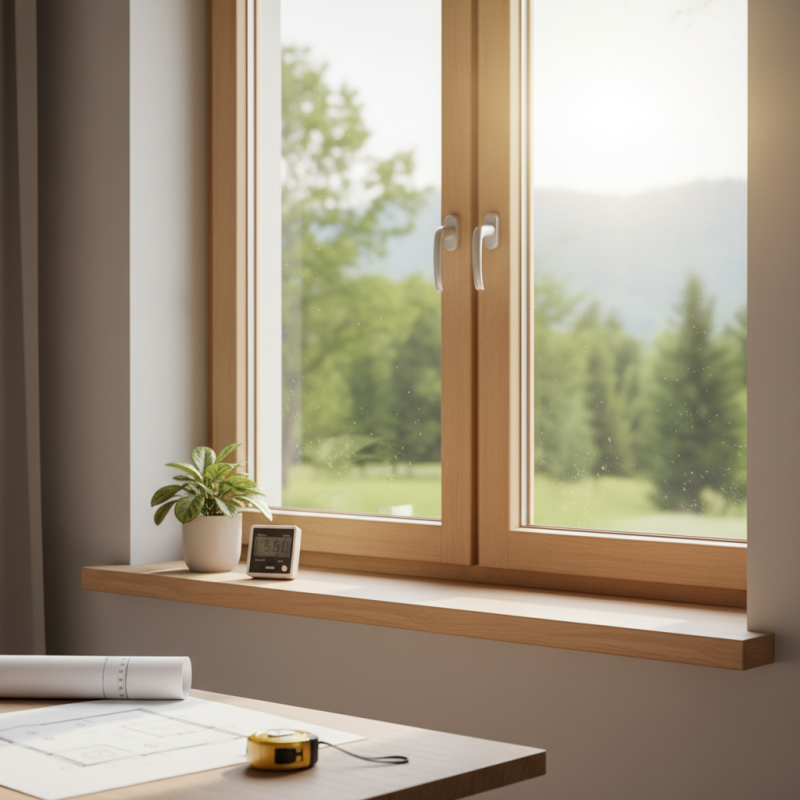
The window frame material can significantly affect thermal performance. For instance, wooden frames provide excellent insulation.
They keep warmth inside during winter and block heat in summer. However, wood can warp or rot over time, leading to unwanted air leaks.
Vinyl frames are another option. They are low maintenance and durable. Vinyl effectively insulates and resists moisture.
Yet, they may not offer the same aesthetic appeal as wood.
Metal frames like aluminum are strong but conduct heat. This can lead to energy loss, making homes less efficient.
Using thermal breaks in metal frames can reduce this issue, but not entirely eliminate it.
Energy-efficient windows can reduce utility bills.
But the choice of frame is often overlooked. Homeowners should consider their local climate. Each material has pros and cons that impact overall performance.
A thoughtful selection can enhance comfort and save money.
How to Choose Energy-Efficient Window Materials
Choosing the right window materials significantly influences energy efficiency in homes. Most studies indicate that windows account for 25-30% of residential energy use. This is significant!
Opting for low-emissivity (Low-E) glass can greatly enhance thermal performance. This glass reflects heat back into your home during winter and keeps it cool in summer. The U.S. Department of Energy reports that Low-E windows can reduce energy bills by up to 15%. Additionally, double or triple glazing provides extra insulation, which is crucial. The gap between the panes can be filled with argon gas, reducing heat transfer even more.
Frame materials also matter. Vinyl frames, for instance, have excellent insulation properties and require little maintenance, making them a popular choice. However, aluminum frames, while durable, can lead to higher energy costs. Some homeowners may overlook this detail when selecting windows. While wood frames offer aesthetic appeal, they often require regular maintenance to prevent rot.
The cost of energy-efficient windows can be higher upfront, but the payback period is often quicker than expected. An investment in quality windows can improve comfort and reduce utility bills over time. Choosing wisely is crucial for long-term benefits.
Evaluating Window Installation Techniques for Maximum Insulation
When considering energy efficiency, window installation techniques are crucial. Properly sealing windows can reduce air leakage, which is a common issue in many homes. According to the U.S. Department of Energy, up to 30% of a home's heating and cooling energy can be lost through poorly installed windows. This statistic highlights the importance of focusing on insulation.
Improving insulation often requires specific techniques. For instance, using low-expansion foam sealant can help fill gaps better than traditional methods. However, many homeowners underestimate the importance of caulking. A simple caulking job may seem trivial, but it can prevent significant heat loss. In a recent study by the National Renewable Energy Laboratory, it was found that homes with well-sealed windows had 15% lower energy bills.
Proper alignment of windows during installation also plays a critical role. A tilted window frame can create thermal bridging, which reduces insulation effectiveness. Although it's easy to overlook, this alignment can make or break energy efficiency. Planning for a thorough installation process can save you money and enhance comfort in the long run. Effective techniques lead to better insulation, but they require adequate attention and skilled labor to implement.