Best Types of House Windows for Energy Efficiency and Aesthetic Appeal
When selecting house windows, homeowners face the important task of balancing energy efficiency with aesthetic appeal. The right windows not only enhance the exterior of a home but also play a crucial role in reducing energy consumption and maintaining a comfortable indoor environment. With growing concerns about energy costs and environmental impact, the choice of house windows has become increasingly significant.
Energy-efficient windows help to lower heating and cooling expenses by minimizing heat transfer and improving insulation. Furthermore, advancements in window technology have introduced various options that not only serve practical purposes but also allow homeowners to express their personal style. From classic designs to modern finishes, the aesthetic appeal of windows can complement architectural styles while providing functional benefits.
In this article, we will explore the best types of house windows that combine energy efficiency with visual allure. By understanding the different materials, designs, and technologies available, homeowners can make informed decisions that enhance their living spaces while contributing to a sustainable future.
Types of Windows That Boost Energy Efficiency in Homes
When selecting windows for energy efficiency, homeowners should consider a range of options that not only enhance aesthetics but also contribute to significant energy savings. According to the U.S. Department of Energy, energy-efficient windows can reduce energy bills by 25-50% when compared to single-pane units.
One popular choice is double-glazed windows, which feature two layers of glass with a vacuum or gas-filled space between them. This design significantly reduces heat transfer, keeping interiors warmer in winter and cooler in summer.
Another highly efficient option is low-emissivity (Low-E) windows, which have a special coating that reflects long-wave infrared energy while allowing visible light to pass through. The Efficient Windows Collaborative reports that Low-E glass can improve energy efficiency by up to 30% compared to standard glass. Additionally, homeowners might consider windows with insulated frames and argon gas fill, which can further diminish heat loss. By selecting windows designed with these energy-efficient technologies, homeowners can enjoy lower utility costs and a more comfortable living environment while enhancing the overall aesthetic appeal of their homes.
Understanding the Role of Window Materials in Energy Performance
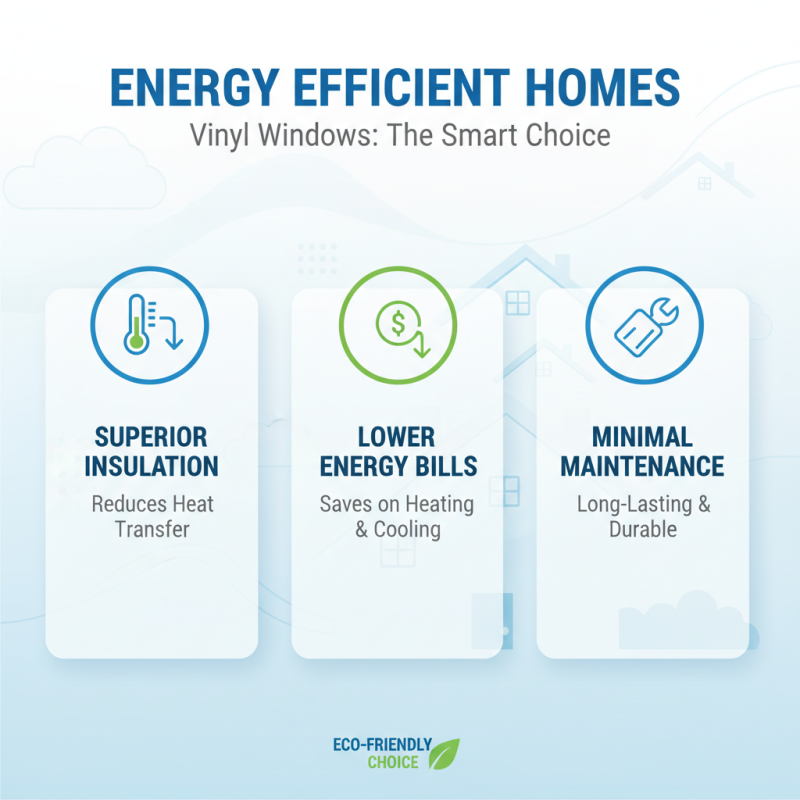
When it comes to energy efficiency in homes, the choice of window materials plays a crucial role. Different materials have distinct thermal properties that can significantly impact a home’s insulation and energy consumption. For instance, vinyl windows are known for their excellent insulation capabilities, as they effectively reduce heat transfer. This leads to lower heating and cooling costs, making them an energy-efficient option. Additionally, they require minimal maintenance, which contributes to their long-term appeal.
On the other hand, wood windows offer organic aesthetics and superior insulation but may require more upkeep. The thermal performance of wood can be enhanced with proper treatments, making them a viable choice for homeowners seeking both style and energy efficiency. Moreover, fiberglass windows are gaining popularity due to their strong durability and energy-saving characteristics. They can withstand harsh weather conditions while providing excellent thermal insulation. By understanding how these materials interact with energy performance, homeowners can make informed decisions that balance functionality with aesthetic appeal.
Aesthetic Window Styles That Enhance Home Curb Appeal
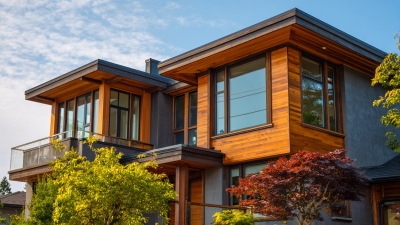
When considering window styles that enhance a home's curb appeal, several aesthetic options stand out. One popular choice is the classic double-hung window, which features two sashes that move vertically. This traditional design not only complements a variety of architectural styles but also allows for better ventilation and natural light. With a wide range of colors and trims available, double-hung windows can be customized to match the unique character of any home, whether it's a charming cottage or a modern farmhouse.
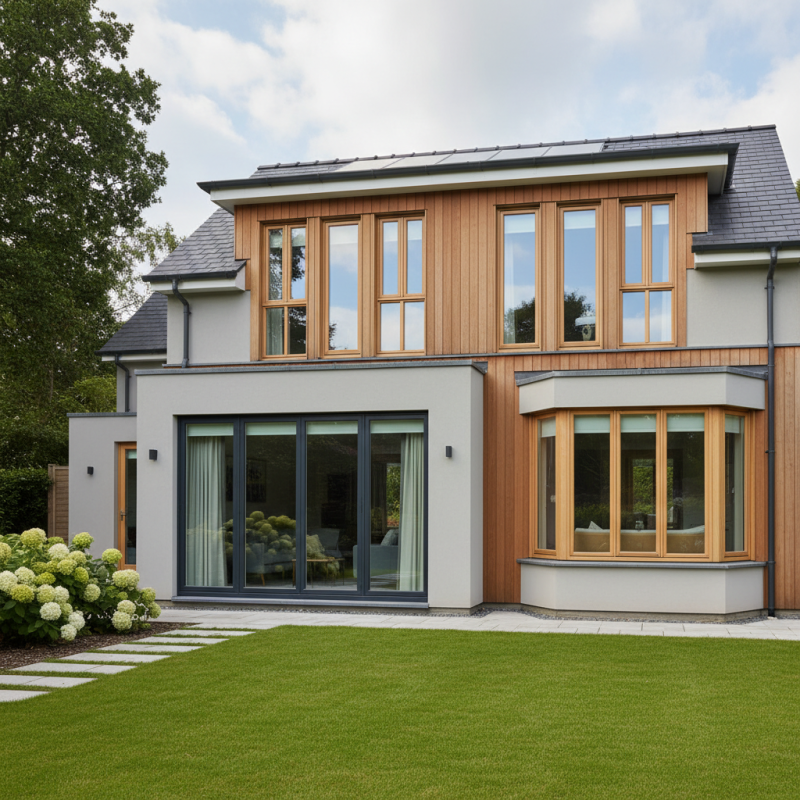
Another eye-catching option is the bay window, which extends outward from the home, creating a cozy nook inside while adding depth and dimension to the exterior. Bay windows are ideal for showcasing picturesque views and they often allow for additional seating or decorative space within, making them a functional yet stylish choice. Additionally, the incorporation of decorative grilles or divided lites can enhance the visual interest of these windows, providing an elegant touch that elevates the overall aesthetic of the façade. By selecting the right window styles, homeowners can significantly improve both the beauty and energy efficiency of their living spaces.
Best Types of House Windows for Energy Efficiency and Aesthetic Appeal
Comparing the Benefits of Double and Triple-Pane Windows
When it comes to enhancing energy efficiency in homes, the choice between double-pane and triple-pane windows can significantly impact both performance and aesthetics. Double-pane windows feature two layers of glass, separated by an insulating gas, such as argon or krypton, which provides excellent thermal insulation. According to the U.S. Department of Energy, double-pane windows can reduce energy use for heating and cooling by approximately 30% compared to single-pane windows, making them a popular choice for many homeowners.
On the other hand, triple-pane windows add an additional layer of glass, further increasing insulation. In fact, studies indicate that triple-pane windows can offer a reduction in energy consumption of up to 50% compared to single-pane options, contributing to lower heating and cooling costs. Additionally, they provide enhanced sound insulation—an advantage for homes in noisy urban environments. While initially more expensive, the long-term savings on utility bills can make triple-pane windows a worthwhile investment. Their aesthetic appeal is also notable, as they often come with various design options and a sleek appearance that complements modern architectural styles.
Ultimately, both types of windows contribute to energy efficiency and the visual charm of a home. Choosing between them depends on individual priorities such as budget, climate considerations, and the desired level of comfort and quietness. Homeowners can make informed decisions based on the specific benefits that double and triple-pane windows provide, ensuring their investment aligns with their needs for both efficiency and beauty.
Best Types of House Windows for Energy Efficiency and Aesthetic Appeal
| Window Type |
Energy Efficiency |
Aesthetic Appeal |
Cost |
Lifespan |
| Double-Pane Windows |
Good (U-value: 0.30-0.50) |
Moderate, with many frame options |
$200 - $600 per window |
10-20 years |
| Triple-Pane Windows |
Excellent (U-value: 0.15-0.30) |
High-end, sleek designs available |
$300 - $900 per window |
15-25 years |
| Single-Pane Windows |
Poor (U-value: 1.00+) |
Basic design, limited options |
$100 - $300 per window |
5-10 years |
Tips for Choosing Windows That Balance Efficiency and Design
When selecting windows for your home, achieving a balance between energy efficiency and aesthetic appeal is essential. Energy-efficient windows not only help in reducing utility costs but also contribute to a comfortable living environment. Consider the window’s frame material, as options like vinyl, wood, and fiberglass each offer unique benefits in terms of insulation and maintenance.
Tips for Choosing Windows That Balance Efficiency and Design: First, look for double or triple-pane glass, which provides better insulation than single-pane alternatives. This can significantly reduce heat loss in the winter and keep your home cooler during the summer months. Additionally, consider the Low-E glass coatings that reflect infrared light but allow visible light to enter; this enhances energy efficiency without compromising the brightness of your interiors.
Secondly, don’t overlook the importance of window style. Bay or bow windows can add a unique architectural feature to your home while also improving energy efficiency when properly sealed. Opt for designs that complement your home's aesthetic, while ensuring they provide effective ventilation and light. Lastly, be mindful of the orientation of your windows. Strategically placing windows to capture natural light and heat can further enhance both the visual appeal and the energy performance of your home.