Best Quality Windows for Home Top 10 Choices to Consider?
Choosing the best quality windows for home is vital for both comfort and efficiency. Renowned expert Sarah Mitchell once stated, "Investing in quality windows is investing in your home’s future." This highlights the importance of selecting windows that not only look good but also offer durability.
Many homeowners face challenges when selecting windows. The options available can be overwhelming. From styles to materials, the choices are endless. Quality is often compromised in pursuit of aesthetic appeal. It’s essential to focus on windows that provide energy efficiency while complementing your home’s design.
Exploring different brands and models can yield unexpected results. Some may appear ideal but fall short on performance. It's a reminder that making informed decisions is crucial. Quality windows can save money on energy bills and enhance overall home value. Evaluating various factors can lead to the best quality windows for home, ensuring a wise investment for years to come.
Understanding the Importance of Quality Windows in Home Design
Quality windows play a pivotal role in home design. They enhance aesthetics and improve energy efficiency. According to the U.S. Department of Energy, windows account for 25-30% of home energy use. Choosing the right windows can significantly impact heating and cooling costs. Quality windows can reduce energy bills by up to 15%. This is not just a choice; it’s an investment.
When evaluating windows, consider their materials. Vinyl, wood, and fiberglass offer different benefits. For instance, vinyl windows provide excellent insulation but can sometimes lack the charm of wood. Look for windows with a good energy rating. The National Fenestration Rating Council (NFRC) provides labels that help consumers understand efficiency ratings.
Tip: Ensure your windows have low U-factor and solar heat gain coefficients. This helps maintain a comfortable indoor climate.
Another aspect to reflect on is maintenance. Some materials require frequent upkeep. This can become burdensome over time. Understand the long-term costs associated with your choice. Remember, the most expensive option might not always be the best fit.
Tip: Don’t forget about the window's warranty. It can provide peace of mind and protect your investment. Choose wisely, as windows shape your home's comfort and style.
Key Factors to Consider When Choosing Windows for Your Home
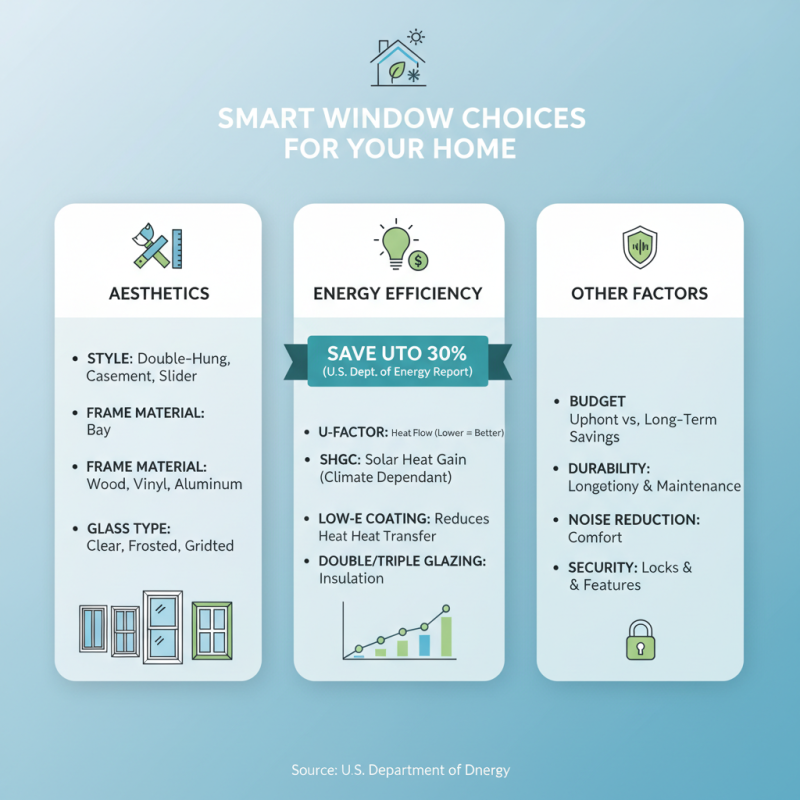
Choosing windows for your home requires careful consideration. Various factors influence not only the aesthetic but also the energy efficiency of your home. According to a recent report by the U.S. Department of Energy, energy-efficient windows can save homeowners up to 30% on heating and cooling costs.
The material of the windows plays a crucial role. Vinyl, wood, and fiberglass each offer unique benefits and drawbacks. Vinyl is low-maintenance but may not have the same aesthetics as wood. Wood offers natural beauty but requires more upkeep. Fiberglass is durable but often comes at a higher price point. Understanding these materials helps clarify your priorities.
Energy performance ratings are essential. The National Fenestration Rating Council (NFRC) provides ratings that help evaluate a window’s efficiency, which includes U-factor and solar heat gain coefficient. U-factors ranging from 0.20 to 1.20 are common in residential windows, impacting insulation quality. Poor decision-making can lead to discomfort and increased energy costs. Therefore, investing time in research and considering your local climate can lead to a more satisfying choice.
Overview of the Top 10 Window Brands for Residential Use
When choosing windows for your home, the variety can be overwhelming. A good window brand can offer energy efficiency and aesthetics. Some brands focus on durability, while others prioritize design options. It’s crucial to consider your specific needs.
Look for options that provide solid insulation. It helps maintain your home's temperature. Some windows might lack proper sealing, leading to drafts. Pay attention to the materials used. Vinyl windows are popular, yet wood offers a classic look. However, wood needs consistent maintenance and care. Therefore, assess your priorities before making a choice.
Don’t forget the importance of warranties. A brand may sound great but backing their product is essential. It's disappointing to deal with window failures early on. Research and reviews can guide you, but they aren’t foolproof. Relying solely on online feedback can be misleading. Go beyond digital; visit showrooms for a tangible feel.
Comparative Analysis of Window Materials: Vinyl, Wood, and Aluminum
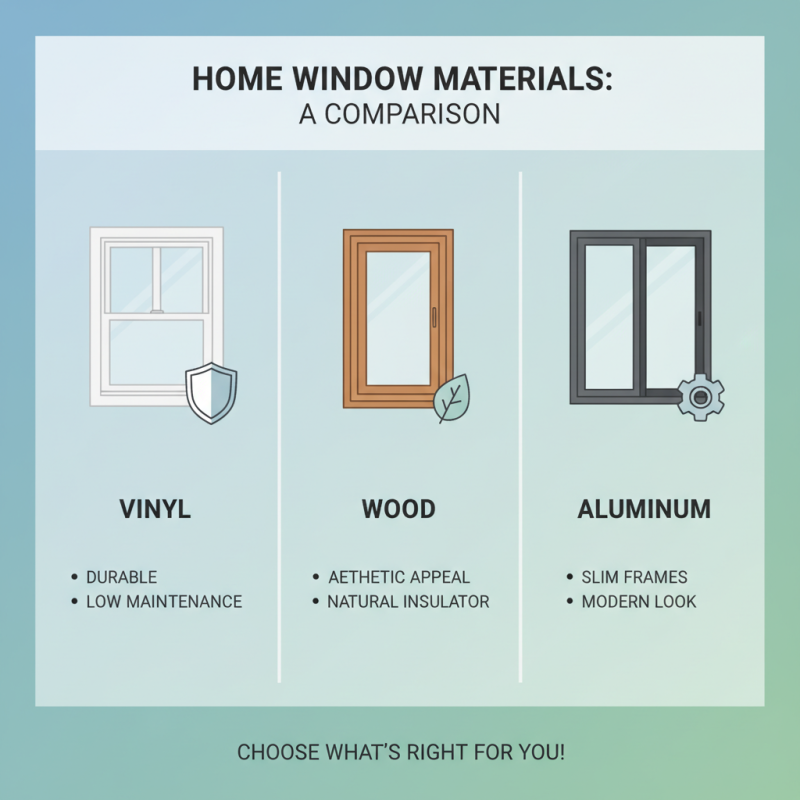
When choosing windows for your home, the materials play a crucial role. Vinyl, wood, and aluminum are the most common options. Each material has its strengths and weaknesses. Vinyl is popular for its durability and low maintenance. It often resists fading and warping over time. However, vinyl lacks the aesthetic appeal of wood.
Wood windows offer a classic look and can enhance the home's character. They provide natural insulation, which can save on energy costs. Yet, wood requires regular maintenance. It can be susceptible to rot, requiring inspections. Aluminum windows are robust and lightweight. They provide a sleek, modern appearance. On the downside, aluminum can conduct heat, potentially compromising energy efficiency.
Homeowners should carefully consider their priorities. Aesthetic appeal versus maintenance is a crucial decision. While one may desire the warmth of wood, the upkeep required can be daunting. It's essential to evaluate the local climate too. Some materials may perform better in specific environments. Each option presents its set of challenges. Hence, an informed choice aligns with the homeowner's lifestyle and needs.
Energy Efficiency Ratings and Their Impact on Window Selection
When choosing windows for a home, energy efficiency is a key aspect. Windows with higher energy efficiency ratings can significantly reduce energy bills. They keep your home warmer in winter and cooler in summer. Look for the energy star rating, which indicates how well a window performs. The label reveals valuable details like U-factor and solar heat gain coefficient.
Many homeowners overlook the importance of proper insulation. Even a high-rated window can fail if not perfectly installed. Drafts can sneak in and ruin energy savings. Consider double or triple glazing. These options provide better insulation than single-pane windows. Additionally, the frame material matters. Vinyl and fiberglass tend to outperform aluminum in energy efficiency.
However, some may find that focusing solely on ratings is limiting. Different climates affect window performance. A window perfect for one region could fall short in another. Balance ratings with personal comfort and aesthetics. Choosing windows is not just about numbers. It’s about creating a cozy environment that also respects the planet. Think about how windows impact your living space and long-term expenses.
Energy Efficiency Ratings of Top Window Types