Best 10 Tips for Choosing Quality Home Windows for Your Home
When it comes to upgrading your home, one of the most important decisions you'll make is choosing quality home windows. As renowned window specialist, John Anderson, aptly puts it, "Selecting the right windows is not just about aesthetics; it’s about enhancing energy efficiency and comfort in your living space." This statement underlines the significance of making an informed choice when selecting windows that will not only improve the visual appeal of your home but also contribute to its overall functionality and energy performance.
Quality home windows can transform your living environment, offering better insulation, reduced energy costs, and a heightened sense of security. With a plethora of options available in the market, homeowners often find themselves overwhelmed by the myriad designs, materials, and technologies. The challenge lies in discerning which features truly contribute to quality and longevity. By understanding key factors such as frame materials, glass types, and energy efficiency ratings, you can navigate this complex decision-making process with confidence.
In this guide, we will explore the best 10 tips for choosing quality home windows that suit your specific needs, ensuring that you invest in products that not only elevate your home's appearance but also stand the test of time. Choosing wisely now can lead to significant benefits for years to come.

Understanding the Different Types of Home Windows Available
When selecting the right windows for your home, understanding the various types available is crucial. There are several window styles, each offering unique benefits and functionalities. Typical categories include
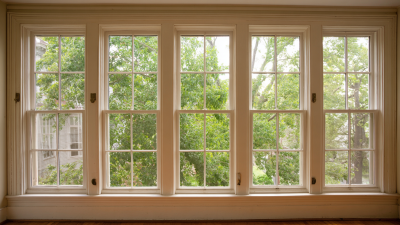
double-hung,
casement,
sliding, and
picture windows.
According to the American Window and Door Institute, double-hung windows are the most popular choice due to their versatility and ease of cleaning. They feature two operable sashes that allow for airflow from both the top and bottom, which is particularly beneficial for regulating indoor temperatures.
In addition to style, material considerations play a pivotal role in window selection. Common options include
vinyl, wood, aluminum, and fiberglass, each with its own pros and cons in terms of maintenance, durability, and energy efficiency.
The Efficient Window Collaborative reports that energy-efficient windows can significantly reduce heating and cooling costs by 7-15%, depending on climate and home design.
For instance, double-pane insulated windows not only provide excellent thermal performance but also minimize noise pollution, making them an attractive option for homeowners seeking tranquility without sacrificing energy efficiency.
Evaluating Energy Efficiency Ratings for Windows
When it comes to choosing quality home windows, evaluating energy efficiency ratings is paramount. Energy-efficient windows can significantly reduce heating and cooling costs, contributing to both sustainability and savings for homeowners. According to the U.S. Department of Energy, high-performance windows can lower energy bills by 12-25%. One of the key metrics to consider is the U-factor, which measures the insulating properties of the window. A lower U-factor indicates better insulation, which keeps homes warmer in winter and cooler in summer, ultimately enhancing comfort and reducing energy consumption.
Another important rating to examine is the Solar Heat Gain Coefficient (SHGC). This metric measures how much solar heat passes through the window. For those living in warmer climates, a lower SHGC is ideal as it helps keep indoor spaces cooler, while a higher SHGC can be beneficial in colder regions where passive solar heating is desirable. The National Fenestration Rating Council (NFRC) provides standardized labels that make it easier for consumers to compare products based on these energy performance metrics. By investing in windows with favorable energy efficiency ratings, homeowners not only contribute to a greener environment but also increase the overall value of their property.
Assessing Materials: Vinyl, Wood, and Aluminum Options
When it comes to selecting quality home windows, assessing materials is a crucial step that can significantly impact both aesthetics and energy efficiency. Vinyl, wood, and aluminum are three popular options, each with distinct characteristics.
Vinyl windows, for instance, are known for their durability and low maintenance requirements. They resist fading, peeling, and chipping, making them a practical choice for many homeowners. However, their aesthetic appeal can be somewhat limited compared to wood.
Wood windows offer a classic look that provides excellent insulation properties. They can be customized with various finishes to match the style of your home. Nevertheless, they require more upkeep, including regular painting or staining to protect against moisture and rot. If you favor a natural or traditional appearance, wood may be worth the effort.
Aluminum windows, on the other hand, are lightweight and strong, ideal for larger openings. They boast a sleek design and can be anodized or painted to resist corrosion. However, aluminum has lower insulating properties compared to vinyl and wood, which could lead to higher energy costs.
Tip: Before making a decision, consider the climate in your area and your long-term maintenance preferences. Take the time to explore samples of each material and consult with professionals to ensure you choose windows that will enhance your home’s comfort and value.
Importance of Proper Window Measurements and Fit
When it comes to selecting quality home windows, one of the most critical factors is ensuring proper measurements and fit. According to the American Institute of Architects, over 30% of energy lost in homes can be attributed to faulty window seals and improper installations. Therefore, precise measurements are crucial not only for aesthetic appeal but also for energy efficiency and long-term savings.

Accurate window measurements begin with assessing the rough opening where the window will be installed. Homeowners should measure the width and height of the opening at multiple points, as these dimensions can vary slightly due to structural settling or wear over time. The National Fenestration Rating Council emphasizes that even a quarter-inch discrepancy can lead to significant air drafts or water infiltration, compromising both comfort and durability. By adhering to these measurement protocols, homeowners can ensure a snug fit that enhances insulation properties, subsequently reducing heating and cooling costs by up to 15%, as reported by the U.S. Department of Energy.
In addition to basic sizing, it is essential to consider the type of window and how it interacts with the overall design of the home. A well-fitted window not only uplifts the aesthetic value but also works in harmony with a home's energy performance. The Building Performance Institute estimates that installations correctly matched to the intended function can improve a home’s energy efficiency by as much as 30%, reflecting both environmental responsibility and financial prudence. Therefore, prioritizing accurate window measurements and ensuring an appropriate fit are fundamental steps in making an informed decision when replacing or installing new windows.
Considering Aesthetic Compatibility with Home Design
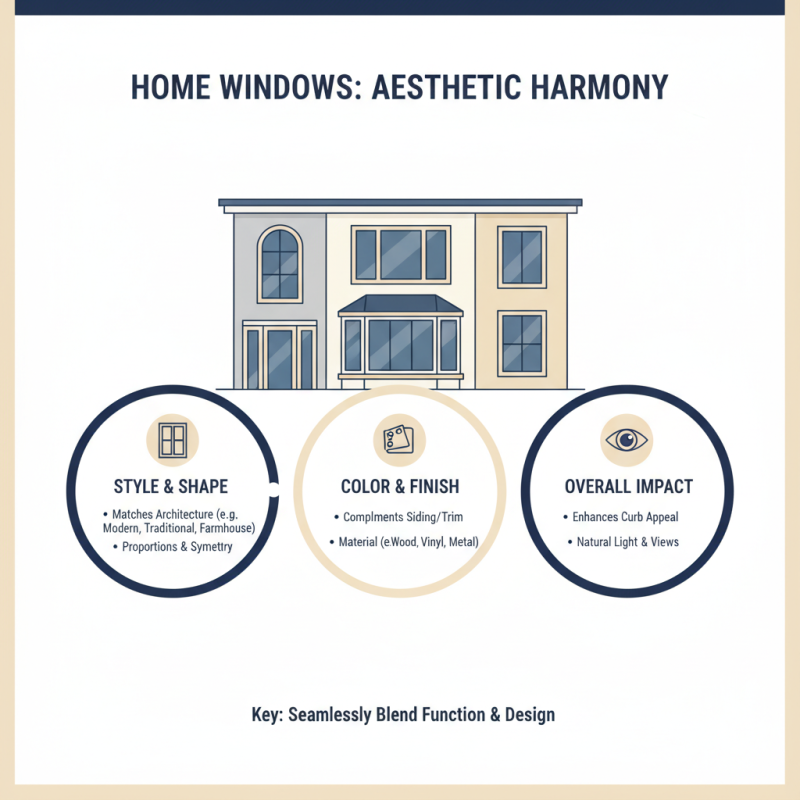
When selecting quality home windows, one of the most crucial aspects to consider is their aesthetic compatibility with your home's design. Windows are not only functional but also serve as significant architectural elements that enhance the overall appearance of your residence. To achieve a harmonious look, it's essential to examine how the style, shape, and color of your chosen windows align with the existing design elements of your home.
A tip to keep in mind is to assess the architectural style of your home. For instance, traditional homes often benefit from double-hung or casement windows that match their classic appeal, while modern homes can embrace sleek, minimalist designs. Additionally, consider the color palette of your exterior; choosing window frames that either complement or contrast effectively with your home's exterior paint can create a striking visual impact.
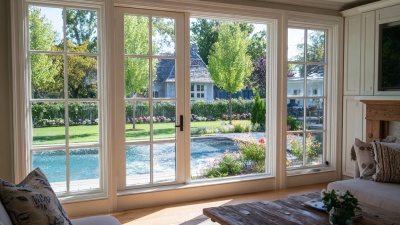
Another important consideration is the size and proportion of the windows. Large, expansive windows can bring in natural light and create a sense of openness, making them ideal for contemporary styles. Conversely, smaller, more intricately designed windows can enhance the charm of a cottage-style home. Making sure that your windows not only serve their functional purpose but also resonate with your home’s aesthetic will ultimately elevate the design and feel of your space.