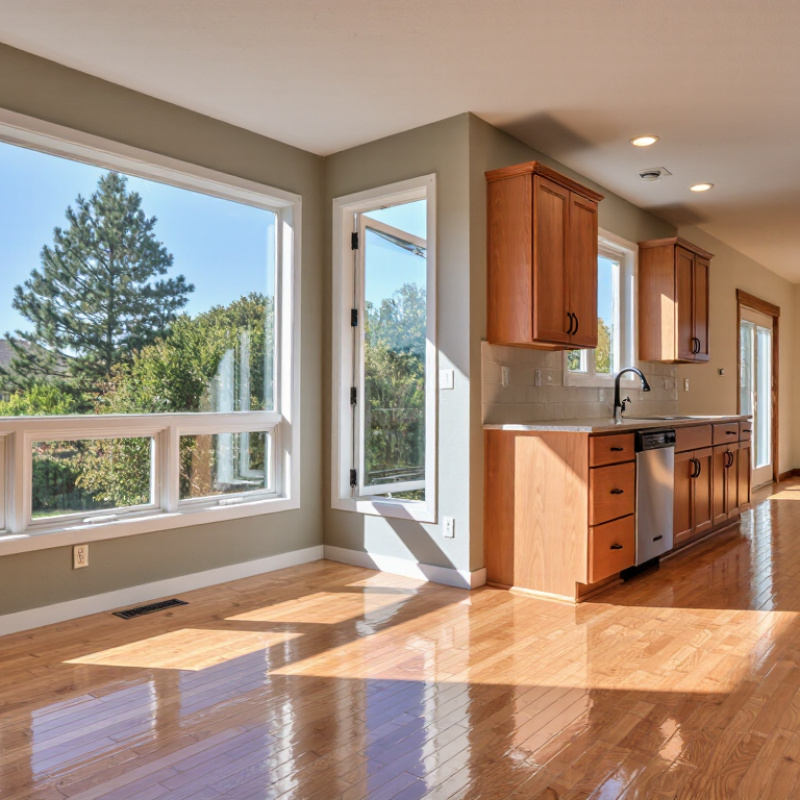
Choosing the best windows for your home means balancing climate, comfort, cost, and the character of the house. A wide picture window can bring morning light across a kitchen floor, while a well-placed operable window may catch a cool evening breeze. Yet attractive glass alone does not guarantee comfort. Frame material, glazing, orientation, and installation all matter.
The U.S. Department of Energy estimates that heat gain and heat loss through windows account for 25% to 30% of residential heating and cooling energy use. ENERGY STAR reports that certified replacement windows can save homeowners an average of 12% on energy bills compared with non-certified products. Those figures are useful benchmarks, not promises for every home. Climate, existing windows, and household energy use change the results. Building scientist Joseph Lstiburek offers a blunt reminder: “Windows are holes in the wall.” The phrase is memorable, if a little severe; it highlights why careful sealing and installation matter as much as the product label.
This guide compares common window styles and materials, from double-hung vinyl units to wood casements and fiberglass frames. It also explains how U-factor, solar heat gain, and visible transmittance relate to everyday comfort. The right choice is rarely the most expensive one. Sometimes, replacing every window is not the best first step; repairing a drafty sash or improving weatherstripping may be worth considering. Use the comparisons to identify options that fit your home, climate, and budget.
Window types are classified by how they open and by the shape of their frames and glass. Fixed windows do not open, so they suit stairwells or rooms where daylight matters more than fresh air. Casement windows swing outward on hinges, while awning windows hinge at the top and open outward. Double-hung windows slide vertically; sliding windows move horizontally. Small differences matter. A sash that is easy to reach may be easier to clean and operate every day.
Design also includes the frame, glazing, and number of panes. These affect insulation, daylight, and maintenance. The U.S. Department of Energy’s Energy Saver guidance estimates that windows account for 25–30% of residential heating and cooling energy use. That is a sizable share. ENERGY STAR reports that replacing single-pane windows with certified models can save an average of 12% on energy bills. Actual savings depend on climate, installation, and household use.
The best match is not always the most elaborate design. A casement can catch a breeze, but an outward-opening sash may conflict with a narrow walkway. A double-hung window is familiar, though its meeting rail can interrupt the view. I used to think more glass always meant a brighter room. It does not. Orientation, nearby shade, and glazing choice can change the result, so compare rated performance alongside operation.
Double-hung windows slide vertically, letting you open the top, bottom, or both sections. That flexibility can help move warm air out while cooler air enters. Casement windows hinge at the side and swing outward, often directing breezes indoors. Their tight closing action can reduce drafts, but check that outdoor space allows the sash to open fully. Small details matter.
Sliding windows move horizontally along a track, making them practical beside patios or counters where an outward-opening sash could get in the way. They usually open only halfway, so ventilation is limited. Awning windows hinge at the top and tilt outward; they can admit air during light rain, though strong wind may make them less useful. Fixed picture windows do not open, but bring in broad daylight and offer clear views. They may need operable windows nearby for ventilation.
Bay and bow windows project beyond the exterior wall, creating a deeper sill and a wider view. They can brighten a room, but require careful structural planning and may cost more to install. No style suits every room. Measure carefully, and consider cleaning access, airflow, privacy, and how the window will be used each day. I would not choose by appearance alone.
Window performance depends on the frame, the glass, and how well both are installed. Vinyl frames need little upkeep, while wood offers a warm finish but needs regular protection from moisture. Fiberglass resists swelling and temperature changes. Aluminum is strong and slim, though frames without thermal breaks can transfer heat. No material wins everywhere.
Glass matters just as much. Double-pane units with low-emissivity coatings can reduce heat loss and limit fading from sunlight. In colder regions, a lower U-factor may help keep rooms warmer; in sunny climates, solar heat gain matters too. Triple glazing can improve insulation, but it costs more and may not suit every home. A quiet bedroom beside a busy road may benefit from laminated glass. Still, poor installation can leave drafts or condensation, whatever the glass rating says. Ratings help, but they are not the whole story.
Tips: Compare U-factor and solar heat gain coefficient for your climate. Check frame corners and seals for gaps. Ask how the window will be flashed and insulated. Small details count. I’d also question any recommendation based only on appearance; that is easy to regret when a cold draft reaches the sofa.
What Is the Best Type of Windows for Your Home?
The best window depends on your climate, room layout, and how you use each space. The U.S. Department of Energy’s Energy Saver guidance estimates that heat gain and heat loss through windows account for 25% to 30% of residential heating and cooling energy use. That is a meaningful share. Check the NFRC label: a lower U-factor generally means better insulation, while the right solar heat gain coefficient depends on local sun and heating needs. A sunny living room may benefit from different glazing than a shaded bedroom.
Window style matters, too. Casement windows can close tightly, while double-hung models make it easy to open the top or bottom for ventilation. Fixed windows often limit air leakage but do not open. Measure the rough opening and note nearby furniture before choosing; a wide sash can collide with a desk or curtain. I would not choose by style alone. Installation quality, frame material, and existing wall conditions can change real-world performance, and even a good window may disappoint if the seal is poor. Sometimes the sensible choice is less glamorous.
| Window Type | How It Opens | Typical Strengths | Considerations | Ventilation | Commonly Suited To | Relative Upfront Cost |
|---|---|---|---|---|---|---|
| Double-hung | Upper and lower sashes slide vertically. | Familiar appearance; both sashes can often tilt inward for cleaning. | The opening is smaller than the full window area; performance depends on the sash seals and construction. | Moderate; opening both sashes can support air movement. | Traditional homes, bedrooms, and rooms where inward cleaning access is useful. | Low to moderate |
| Casement | A side hinge lets the sash swing outward, typically using a crank. | Can catch breezes; the sash usually presses against its frame when closed. | Needs exterior clearance to open; hardware and seals require upkeep. | High when fully open. | Rooms where airflow and an unobstructed view are priorities. | Moderate |
| Sliding | One or more panels slide horizontally along a track. | Does not project outward or inward; convenient for wide openings. | Only the operable panel provides ventilation; tracks need to be kept clean. | Moderate, depending on the number and width of moving panels. | Areas near walkways, patios, or other spaces where a swinging sash would be inconvenient. | Low to moderate |
| Awning | A top hinge lets the sash open outward from the bottom. | Can admit air while helping shield the opening from light rain. | Not ideal where the projecting sash could obstruct a path; can be difficult to reach from outside. | Moderate to high, depending on size and opening angle. | Bathrooms, basements, or high-wall locations where ventilation is wanted. | Moderate |
| Fixed (picture) | Does not open. | Provides daylight and views; absence of an operable sash can reduce air-leakage paths. | Provides no ventilation; exterior glass may be harder to clean on upper floors. | None. | Living areas, stairwells, and locations where a wide view is the priority. | Low to moderate |
| Tilt-and-turn | A handle typically allows the sash to tilt inward at the top or swing inward from the side. | Offers more than one opening mode; inward opening can make interior cleaning easier. | Requires interior clearance; specialized hardware can increase purchase and repair costs. | Adjustable, from limited tilt ventilation to a wider opening. | Homes where flexible ventilation and inward cleaning access are valued. | Moderate to high |
Selection note: The best choice depends on climate, room use, orientation, budget, and maintenance preferences. Compare the whole-window U-factor (lower generally means less heat transfer) and solar heat gain coefficient (SHGC), which describes how much solar heat passes through the window. The appropriate SHGC depends on climate, window orientation, shading, and heating or cooling needs. Actual energy performance also depends on glazing, frame, installation quality, and air sealing.
Choosing windows works best when each room’s use, exposure, and ventilation needs guide the decision. Casement windows open wide, so they suit kitchens and rooms where a breeze matters. Over a sink, a crank can be easier to reach than a sliding sash. Awning windows let in air during light rain, but their outward swing needs clearance. Small details matter.
Climate changes the priorities. In hot, sunny rooms, glazing with a low solar heat gain rating can reduce afternoon heat, especially on west-facing walls. Cold or windy areas benefit from well-sealed frames and double-pane glass. Triple glazing can improve comfort, but its added cost may not make sense everywhere. Check the whole window’s tested energy rating, not glass claims alone. Local climate and shading matter.
For tighter budgets, fixed windows often cost less and seal well, but they do not open. Pairing them with operable windows can provide ventilation without making every opening expensive. Compare installation, maintenance, and expected energy use—not just the purchase price. A low quote can hide costly trim work or difficult installation. Before ordering, measure carefully and confirm opening and egress requirements with a qualified installer. Even careful plans miss something.