Best Windows for Home in 2026 How to Choose the Right Ones?
When planning for 2026, selecting the best windows for home is essential. According to the U.S. Department of Energy, windows account for 25-30% of residential heating and cooling energy use. The right windows can significantly lower energy bills and improve comfort. The market for energy-efficient windows is projected to grow, driven by rising energy costs and increased consumer awareness.
Choosing the best windows for home means considering various factors. These include energy efficiency ratings, materials, and installation costs. A recent study showed that double-pane windows can reduce energy costs by 18-24% compared to single-pane options. Yet, many homeowners overlook the importance of insulation and sealing.
As you evaluate options, keep in mind that not all windows will serve your unique needs. Some popular materials, like vinyl and fiberglass, offer different benefits. They vary in durability and appearance. Reflecting on the long-term value and aesthetic appeal is crucial, as your choice impacts your home for many years.
Factors to Consider When Choosing Windows for Your Home in 2026
Choosing windows for your home in 2026 requires careful consideration of various factors. Energy efficiency is a primary concern. Windows should have good insulation. Look for double or triple glazing options. These choices help reduce heating costs in winter. Single-paned windows will not deliver the same results. Think about the climate in your area, too.
Style and aesthetics are also important. Consider the architectural design of your home. Modern homes often look good with sleek, minimalist windows. Traditional homes might benefit from casement or double-hung windows. Choosing the right shape and style can elevate your home's overall look. The color and finish should match your exterior as well.
Don’t forget about maintenance. Some materials require less upkeep than others. Vinyl windows resist fading, while wood may need repainting. Reflect on your long-term plans. Will you stay in your home for many years? If so, investing in high-quality windows makes sense. It can be challenging to balance cost and quality. Take time to weigh your options carefully.
Types of Windows: Pros and Cons of Popular Choices for Homeowners
When selecting windows for your home, it's crucial to consider the variations available. Different types of windows offer unique benefits and drawbacks. For instance, double-hung windows allow for easy cleaning and airflow. However, they can be less energy-efficient compared to other styles. Homeowners must weigh these factors based on their needs.
Casement windows are another popular choice. These windows open outward, providing excellent ventilation and unobstructed views. But they may face challenges in windy areas. On the other hand, sliding windows are simple to operate and save space. Yet, they can develop issues with tracks over time. Each type has its own set of pros and cons, requiring careful thought before deciding.
Best Windows for Home in 2026: Popular Types and Their Pros and Cons
Energy Efficiency Ratings: Understanding the Importance for Home Windows
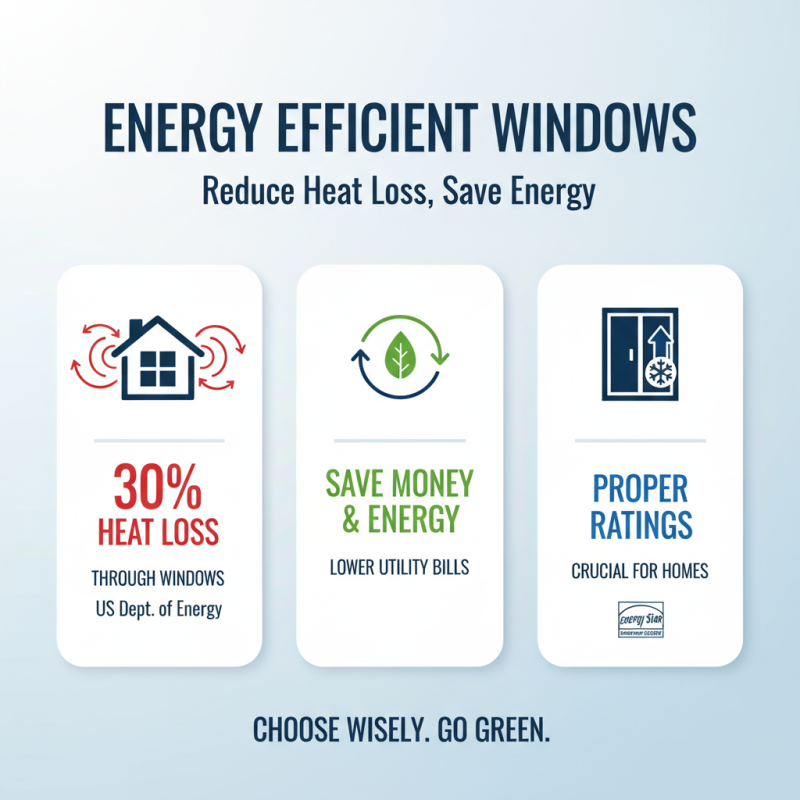
When choosing windows for a home, energy efficiency ratings are crucial. Windows are a significant source of heat loss. According to the U.S. Department of Energy, about 30% of a home's heating energy can escape through windows. This makes selecting windows with proper ratings essential for reducing energy consumption.
Understanding these ratings can be complex. The National Fenestration Rating Council (NFRC) provides a reliable system for evaluating window performance. Key metrics include U-factor, Solar Heat Gain Coefficient (SHGC), and Visible Transmittance (VT). A lower U-factor means better insulation. SHGC measures how much solar heat enters through the window. Higher VT allows more natural light but may increase heat inside your home.
Many homeowners overlook the long-term savings. Investing in energy-efficient windows can reduce energy bills significantly. Energy Star reports that efficient windows can save an average of $465 annually. However, initial costs might deter some homeowners. The upfront investment could seem high. Yet, reflecting on the benefits can lead to better decisions. Choose wisely, as windows impact comfort, aesthetics, and bills for years.
Aesthetic Appeal: Matching Window Styles with Your Home's Architecture
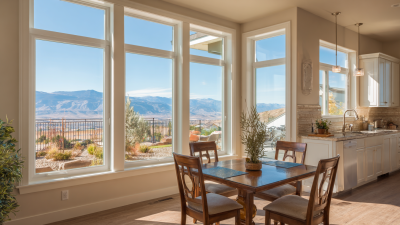
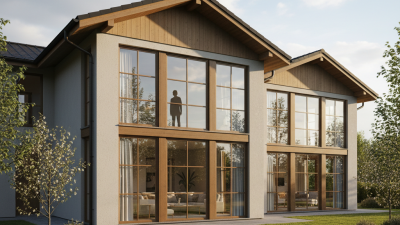
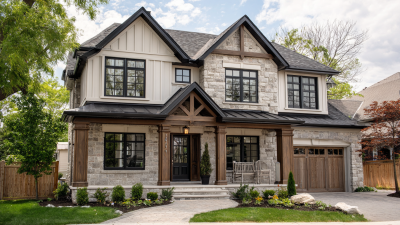
Choosing the right windows for your home goes beyond just functionality. Aesthetic appeal plays a crucial role. Windows can enhance your home's architecture and boost its appeal. They should complement the overall design, whether it's modern or traditional.
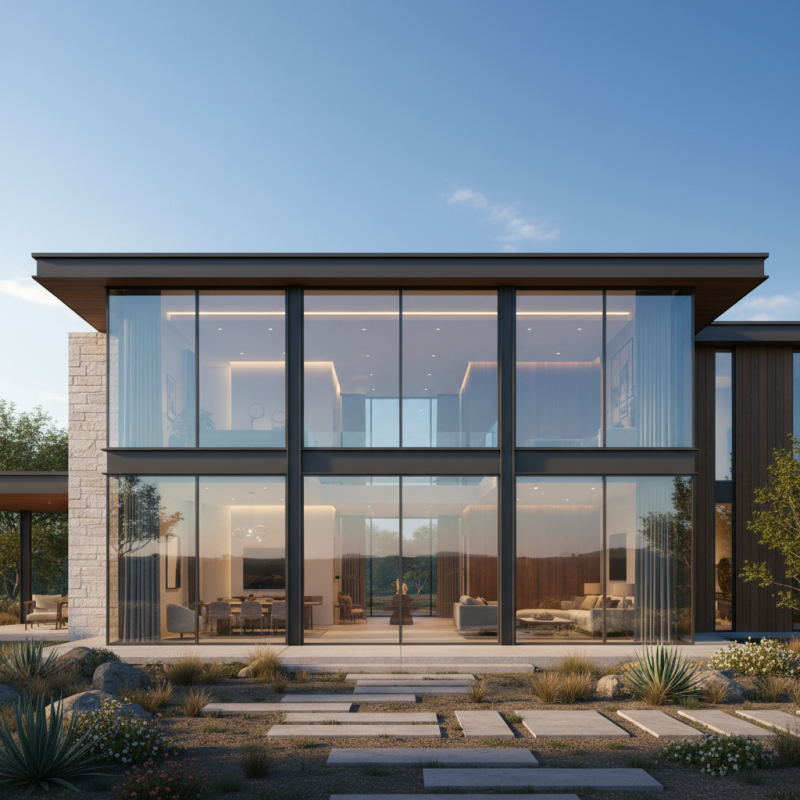
For a contemporary style, large, sleek windows provide a clean look. They allow plenty of natural light. However, these may clash with a vintage home. For classic designs, consider multi-pane windows. They offer character and charm. Small details can significantly affect the overall appearance.
Each home has unique features. Focus on materials and colors. Wooden frames suit rustic designs. While black frames may fit industrial styles better. Not all combinations work. It’s essential to visualize how different styles will interact. Small mistakes can be costly, so take your time in the selection process. Don't rush to buy the first option.
Installation and Maintenance Tips for Long-Lasting Windows in 2026
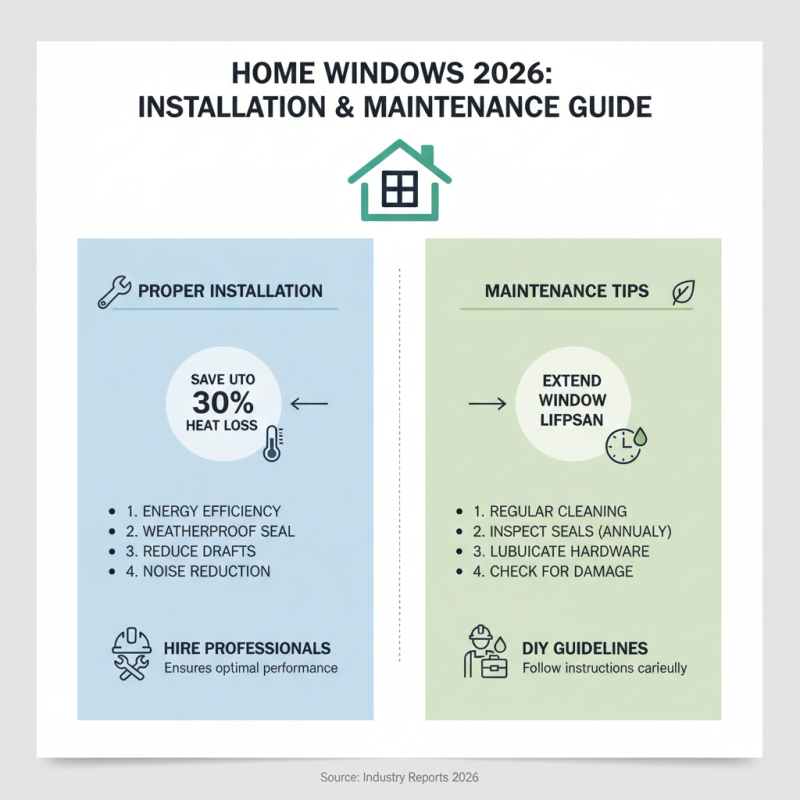
When choosing windows for your home in 2026, installation and maintenance are crucial. Proper installation can improve energy efficiency significantly. According to industry reports, up to 30% of heat loss in homes occurs through improperly installed windows. This makes it essential to ensure a tight, weatherproof seal. Hiring a professional installer can mitigate this risk, but DIY enthusiasts must follow guidelines closely.
Maintenance is equally important. Regular cleaning can extend the lifespan of your windows. Dirt and debris can cause scratches and damage. Additionally, checking for signs of wear—like peeling paint or worn seals—should be routine. A study shows that homes with regular inspections perform 20% better in energy efficiency over time. Not all homeowners prioritize this. Overlooking small issues leads to big problems later. For example, a tiny crack can escalate energy costs by 15%.
Investing time in both installation and ongoing upkeep is not optional. The right approach yields benefits. Yet, many still neglect these aspects. Reflect on your home’s needs and prioritize accordingly. Making informed choices leads to long-lasting and efficient windows.