Best Windows for Home in 2026 What to Look For?
As homeowners plan their renovations in 2026, choosing the best windows for home becomes a crucial decision. The window industry is evolving rapidly, influenced by advancements in technology and design. Data from the Window and Door Manufacturers Association (WDMA) indicates that energy-efficient windows can save homeowners up to 30% on heating and cooling costs.
According to industry expert, John Smith, "Investing in the best windows for home not only enhances comfort but also boosts property value." His insights reflect the increasing demand for windows that combine aesthetics with functionality. Energy efficiency and durability are no longer optional; they are essential features that homeowners expect.
However, the market is filled with options, and not all windows are created equal. It's important to critically evaluate choices. Homeowners may feel overwhelmed by varying materials, styles, and technologies. Thus, careful consideration and research are vital. The best windows for home should align with individual needs and preferences while contributing to long-term cost savings.
Best Windows Types for Different Climate Conditions in 2026
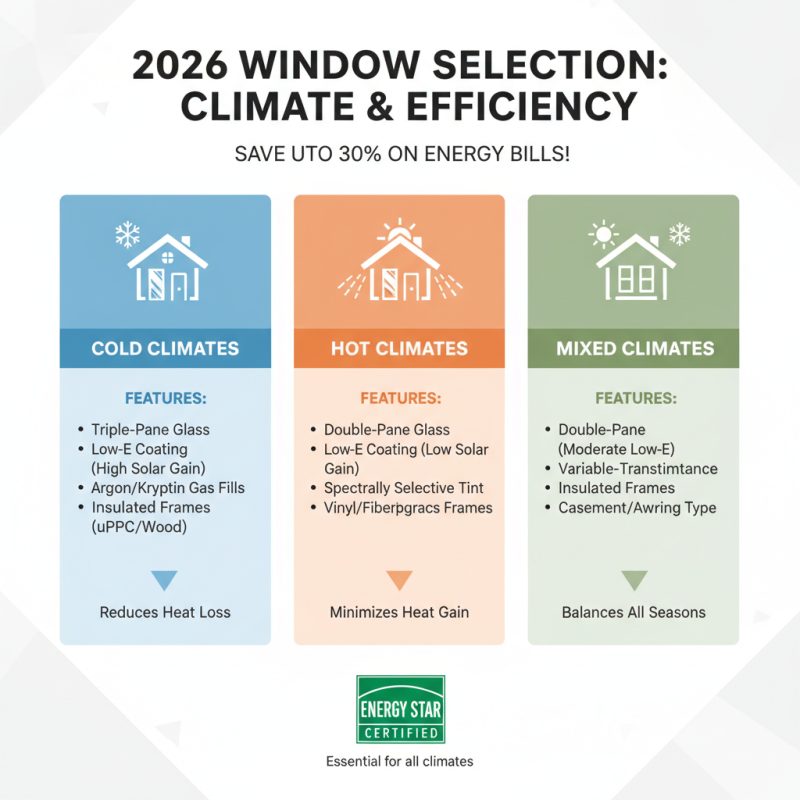
In 2026, selecting the right type of windows for your home depends significantly on climate conditions. Different environments require specific features to enhance energy efficiency. Energy Star reports that homes can save up to 30% on heating and cooling bills with the right window choices.
In cold climates, triple-glazed windows offer superior insulation. They significantly reduce heat loss, which is crucial during winter months. Meanwhile, homes in hot climates benefit from low-emissivity (low-E) glass. This type of glass reflects heat, keeping indoor spaces cool.
However, many homeowners still overlook the importance of proper installation. A well-fitted window can improve energy efficiency by 10% to 15%, according to the U.S. Department of Energy. Without addressing air leaks, the benefits of high-performance windows diminish. Inconsistent performance across various seasons highlights the need for careful consideration. Ultimately, analyzing local climate data is essential to ensure that your window choices meet your needs year-round.
Top Energy-Efficient Window Features to Consider in 2026
When choosing windows for your home in 2026,
energy efficiency stands out as a vital feature. According to the U.S. Department of Energy,
windows account for up to 30% of a home's heating and cooling energy use.
Selecting the right ones can lead to significant savings. Look for windows with a high Energy Star rating.
This ensures lower energy bills and a comfortable living space year-round.
The materials used in windows also impact their efficiency. For example, double or triple-pane glass
can dramatically reduce heat loss. The insulating properties of window frames are equally important.
Vinyl and fiberglass frames often outperform wood in energy retention.
Sealant technology has improved too, minimizing air leaks. In fact,
research shows that proper sealing can enhance energy savings by up to
20%.
However, not all energy-efficient windows come cheap. Homeowners must weigh the initial investment against
long-term savings. There could be hidden costs linked to installation and maintenance.
Opting for high-quality options may help avoid replacements down the line.
Therefore, it is crucial to evaluate both cost and benefits carefully.
How Smart Technology is Shaping Home Windows in 2026
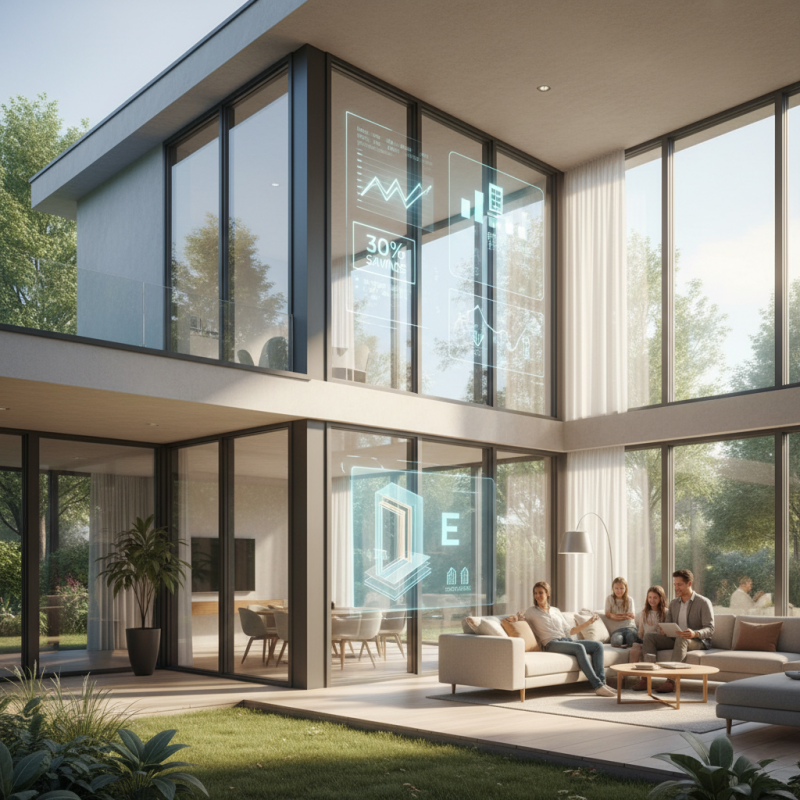
Smart technology is rapidly redefining how homeowners view windows in 2026. Advanced features are being integrated into window designs. Researchers project that over 70% of new homes will include smart windows by 2026, enhancing both efficiency and security.
Windows will now feature built-in sensors that automatically adjust tinting levels. This technology helps to maximize natural light while reducing energy costs. According to a recent industry report, homes equipped with smart windows can see energy savings of up to 30%. Imagine a home where sunlight is perfectly balanced throughout the day, creating a comfortable ambiance.
However, installing these high-tech solutions can be costly. The initial investment may deter some homeowners, especially in fluctuating real estate markets. Not all smart window solutions are equally reliable. Some may require frequent updates or maintenance, leading to unexpected expenses. The balance between innovation and practicality continues to prompt reflection among homeowners and contractors alike.
Best Windows for Home in 2026: What to Look For?
| Feature |
Description |
Expected Benefits |
| Energy Efficiency |
Windows designed with triple glazing and low-E coatings to reduce energy consumption. |
Lower energy bills and more consistent indoor temperatures. |
| Smart Integration |
Windows that can connect with home automation systems to control light and temperature. |
Enhanced convenience and improved energy management. |
| Noise Reduction |
Windows with soundproofing features to minimize external noise. |
Increased comfort and tranquility within the home. |
| UV Protection |
Windows that block harmful UV rays to protect furniture and flooring. |
Extended lifespan of interior items and improved skin safety. |
| Eco-Friendly Materials |
Windows made from sustainable and recyclable materials. |
Reduced environmental impact and promotion of green building practices. |
Impact of Window Materials on Sustainability and Performance in 2026
The choice of window materials will significantly impact sustainability and
performance in 2026. According to a recent report by the U.S. Department of Energy,
energy-efficient windows can reduce heating and cooling costs by up to 30%.
This makes material selection crucial for homeowners aiming to minimize energy consumption. Among options,
vinyl, fiberglass, and wood composites stand out
for their thermal insulation properties.
Yet, sustainability is not solely about energy efficiency. The environmental footprint of materials plays a
significant role. A study from the Sustainable Building Alliance indicates that fiberglass windows
typically have a lower life cycle impact compared to traditional materials, mainly due to lower production emissions.
Wood, while renewable, may pose deforestation concerns if sourced unsustainably.
These factors are critical reflections for homeowners.
Recycling capabilities should also be considered. While glass can be recycled numerous times,
vinyl has limitations. In 2020, it was reported that only
10% of vinyl products are recycled globally. These statistics suggest
the need for more innovative approaches in recycling practices.
Ultimately, weighing performance against environmental impact is no easy task.
Choosing the right material requires thoughtful consideration and ongoing reflection.
Key Industry Trends Influencing Home Windows Selection in 2026
In 2026, selecting the right windows for your home will be influenced by key industry trends. Energy efficiency remains a top priority. Homeowners want windows that minimize energy loss. This trend leads to better insulation materials and designs. Consider windows with double or triple glazing. They offer improved thermal performance. Yet, not all homeowners understand these options fully. This gap can lead to poor choices.
Another trend is a focus on sustainable materials. Many are shifting towards eco-friendly options. Vinyl and fiberglass are popular due to their durability. However, alternatives like wood still appeal to those who prefer aesthetics. They bring warmth and charm to a home. Yet, wood requires maintenance. Without care, it can deteriorate. This consideration is crucial for homeowners.
Smart technology in windows is also emerging. Features like automated shades and sensors that adjust for sunlight are gaining traction. However, these technologies can be expensive. Many homeowners may question their practicality. It is essential to weigh the benefits against the costs. Understanding these trends will help you make informed decisions about your home windows in 2026.