How to Choose the Best Windows for Your Home for Energy Efficiency and Style
When it comes to enhancing the comfort and aesthetic appeal of your home, selecting the best windows for home is a crucial decision that can significantly impact energy efficiency. Windows serve as a vital barrier against the elements while also allowing natural light to fill your living spaces. With numerous styles, materials, and features available, navigating the choices can feel overwhelming. However, understanding the essential elements of window selection will ensure that you not only elevate your home's style but also reduce energy costs over time.
Energy-efficient windows are designed to minimize heat transfer, keeping your home warmer in the winter and cooler in the summer. In addition to their functional benefits, these windows come in various designs that can complement or enhance your home’s architectural style. Whether you prefer the classic charm of double-hung windows or the contemporary appeal of casement windows, recognizing the energy performance ratings, insulation properties, and overall aesthetic value is essential in finding the best windows for home that meet your specific needs.
Moreover, considering additional features such as low-E coatings, argon gas fills, and energy certifications can further optimize your window choices. By investing time in researching and evaluating your options, you can make an informed decision that not only upgrades your home’s curb appeal but also maximizes its energy efficiency for years to come.
Understanding Energy Efficiency Ratings for Windows
When selecting windows for your home, understanding energy efficiency ratings is crucial for both your comfort and your energy bills. Key rating systems like the U-factor, solar heat gain coefficient (SHGC), and Energy Star certification provide insights into how well a window insulates and performs against heat loss and gain. The U-factor measures the rate of heat transfer through a window, with lower values indicating better insulating properties. Meanwhile, SHGC measures how much solar radiation passes through the window; a lower SHGC is ideal for homes in hotter climates.
Tips for choosing energy-efficient windows: Firstly, consider the climate in your area. If you live in a colder region, opt for windows with a low U-factor to minimize heat loss. Conversely, for warmer climates, look for windows with a lower SHGC to help keep your home cool during hot months. Secondly, opt for double or triple-pane windows which provide better insulation than single-pane options, reducing energy consumption significantly.
Incorporating style with energy efficiency is also essential. Choose window frames and designs that complement your home’s aesthetic while still adhering to energy ratings. Think about features such as low-emissivity (Low-E) glass coatings, which enhance insulation without sacrificing natural light, allowing you to enjoy both elegance and energy savings. Make informed choices that reflect your personal style while prioritizing energy efficiency.
How to Choose the Best Windows for Your Home for Energy Efficiency and Style
| Window Type |
Energy Efficiency Rating (U-Value) |
Solar Heat Gain Coefficient (SHGC) |
Visible Transmittance (VT) |
Style |
| Double Glazed |
0.30 |
0.25 |
0.50 |
Modern |
| Triple Glazed |
0.22 |
0.15 |
0.47 |
Contemporary |
| Low-E Glass |
0.26 |
0.22 |
0.60 |
Classic |
| Vinyl Windows |
0.28 |
0.30 |
0.55 |
Traditional |
| Aluminum Windows |
0.35 |
0.40 |
0.45 |
Industrial |
Comparative Analysis of Window Frame Materials and Their Impact
When selecting windows for your home, the frame material plays a crucial role in both energy efficiency and style. The most common materials include vinyl, wood, fiberglass, and aluminum, each offering distinct benefits. According to the U.S. Department of Energy, vinyl frames are highly energy-efficient, providing excellent insulation and requiring little maintenance. In fact, homes fitted with energy-efficient vinyl windows can save up to 30% on energy bills, making them an economical choice. Wood frames, while aesthetically pleasing and capable of good insulation, demand more upkeep and can be prone to issues like rot if not maintained properly.
When it comes to fiberglass frames, they combine the best of both worlds. They offer durability, insulation comparable to wood, and require minimal maintenance. A report by the National Fenestration Rating Council indicates that fiberglass windows can achieve a U-factor as low as 0.2, showcasing their energy efficiency capabilities. Aluminum frames, on the other hand, are generally less energy-efficient unless they include thermal breaks. They are durable and ideal for modern designs but may require additional insulation to meet energy standards.
Tips: Always check for the ENERGY STAR label when choosing windows, as this signifies that they meet strict energy efficiency guidelines. Additionally, consider the local climate and seek materials well-suited to withstand regional conditions to optimize both energy savings and style in your home.
Selecting the Right Glass Type for Optimal Insulation Performance
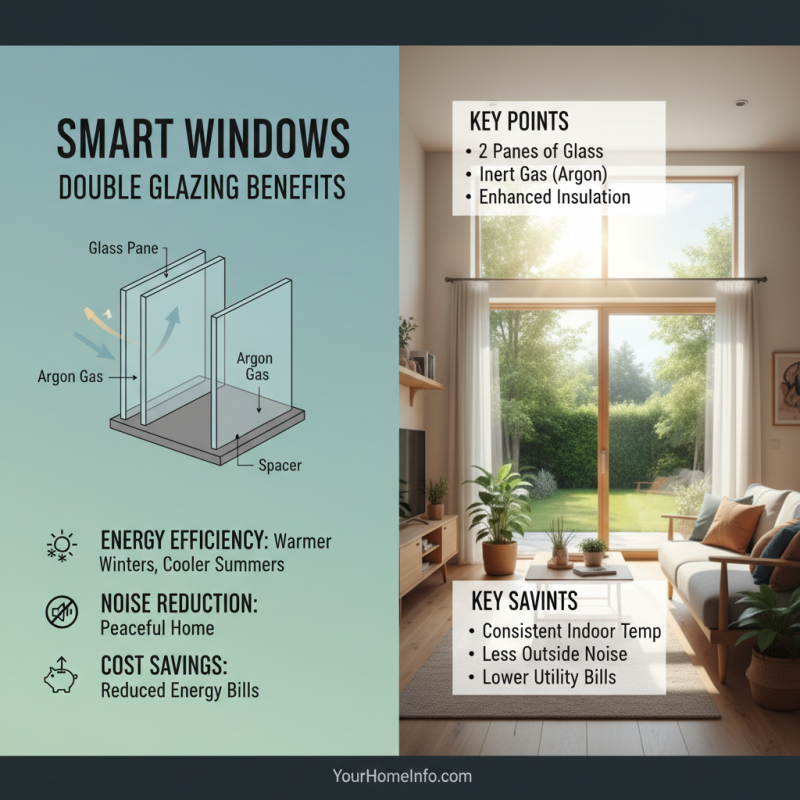
Choosing the right glass type for your windows is crucial for maximizing energy efficiency and ensuring aesthetic appeal in your home. Double glazing, for instance, consists of two panes of glass separated by an inert gas like argon, which greatly enhances insulation by reducing heat transfer. This design not only helps maintain a consistent indoor temperature, making your home warmer in winter and cooler in summer, but also minimizes noise pollution, creating a more peaceful living environment.
Low-emissivity (Low-E) glass is another excellent option to consider. It features a special coating that reflects heat back into the room during winter while keeping unwanted heat from the sun outside during summer. This dual functionality can significantly lower heating and cooling costs, optimizing your home's energy consumption. Furthermore, Low-E glass comes in various styles, allowing homeowners to blend energy efficiency with the desired aesthetics of their home, ensuring that functionality does not come at the expense of visual appeal.
Design Considerations: Balancing Aesthetics and Functionality in Windows
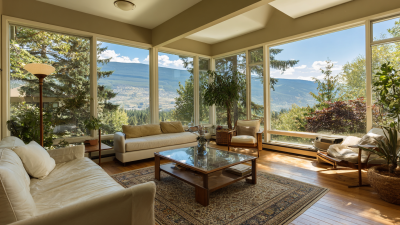
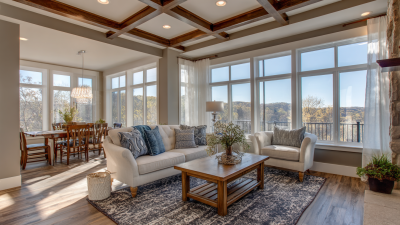
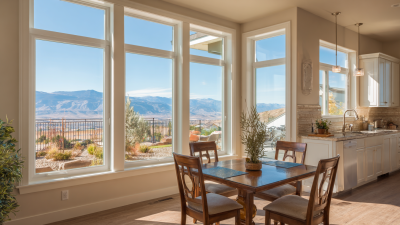
When selecting windows for your home, achieving a balance between aesthetics and functionality is crucial. The right windows not only enhance the visual appeal of your property but also contribute significantly to its energy efficiency. Consider the architectural style of your home; for instance, larger windows with minimal frames can create a modern look, while traditional styles may incorporate divided lights to maintain a timeless aesthetic. Additionally, the color and finish of window frames can dramatically influence the overall design, allowing homeowners to complement or contrast with exterior siding or trim.
Tip: When choosing window styles, pay attention to the glass type. Double or triple-glazed windows provide better insulation, which can help reduce energy costs while maintaining a sleek appearance. Also, experimenting with different shapes—arched or bay windows, for example—can add character to your home while improving natural light flow.
Another consideration is the impact of window placement on your home's energy consumption. Windows strategically positioned to take advantage of sunlight can help warm your home in the winter while overhangs or awnings can minimize heat gain in the summer. This thoughtful planning maximizes comfort while ensuring that the windows contribute positively to your home's overall efficiency.
Tip: Be mindful of window orientation. South-facing windows can increase heat gain during the winter months, whereas north-facing windows often provide a cooler, more consistent temperature throughout the year. Properly assessing your home's layout can not only improve energy efficiency but also enhance the visual harmony of your space.
Energy Efficiency Ratings of Different Window Types
This chart compares the energy efficiency ratings of various window types commonly used in homes. The ratings are based on U-factor and Solar Heat Gain Coefficient (SHGC), which are crucial for determining how well a window performs in terms of insulation and solar heat gain.
Cost-Benefit Analysis of Energy-Efficient Windows Over Time
When evaluating the cost-benefit analysis of energy-efficient windows, it’s essential to consider both immediate expenses and long-term savings. While the initial investment in high-quality, energy-efficient windows might seem steep, their potential to reduce energy bills significantly over time can make them a financially wise choice. According to various studies, homeowners can save anywhere from 10% to 50% on heating and cooling costs, depending on the local climate and the type of windows chosen. Additionally, energy-efficient windows may qualify for government incentives, further offsetting their cost.
Tips for maximizing the benefits of energy-efficient windows include choosing double or triple-pane glass, which provides better insulation compared to single-pane options. Look for windows with low-emissivity (Low-E) coatings that reflect heat while allowing natural light to enter. Moreover, ensuring proper installation can prevent air leaks that negate the benefits of energy-efficient windows. This investment not only enhances comfort and reduces energy consumption but also contributes to a more sustainable environment.
Another consideration in the cost-benefit analysis is the increase in home value that energy-efficient windows can provide. Homes equipped with such windows often attract buyers due to the promise of lower utility costs and enhanced comfort. Over time, these windows not only pay for themselves through savings but can also result in a higher resale value, making them a smart choice for both current and future homeowners.