How to Choose the Best Windows for Your Home in 2026?
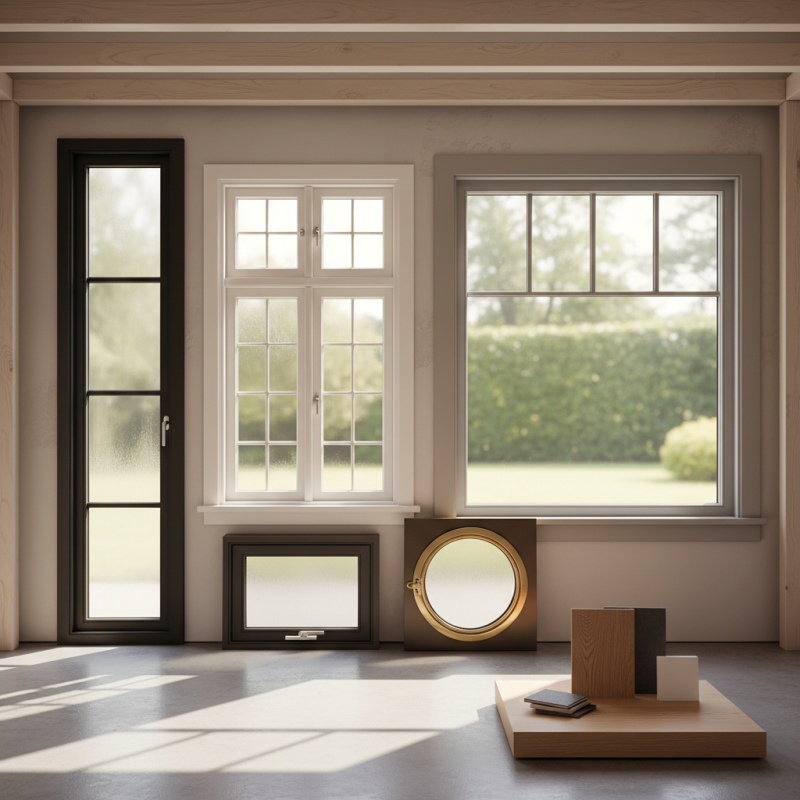
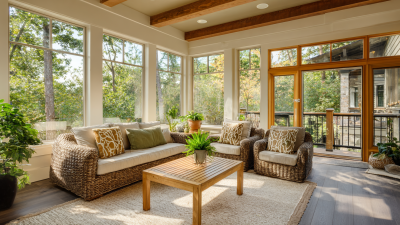
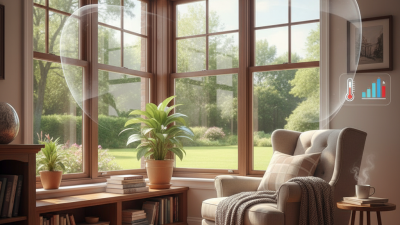
Choosing the right windows for your home in 2026 is more important than ever. This decision affects aesthetics, energy efficiency, and comfort. Windows for your home influence how natural light enters your space. They can change the mood of a room dramatically.
Consider the materials available. Wood, vinyl, and aluminum all provide different benefits. Each material has unique traits and drawbacks. Take time to reflect on what suits your needs best. Think about the climate in your area too. The wrong choice can lead to higher energy bills.
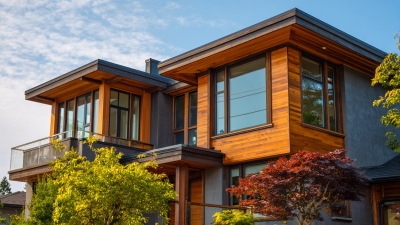
Pay attention to the style of your home. Windows should enhance its character. A modern home might require sleek designs, while a cottage could benefit from classic frames. Remember, no choice is perfect. Each option has its pros and cons. Exploring these aspects carefully will lead to a more satisfying outcome for your living space.
Understanding the Latest Energy Efficiency Ratings for Windows in 2026
When choosing windows for your home in 2026, energy efficiency ratings play a crucial role. The Energy Star program indicates that windows with high energy efficiency can save homeowners over $500 a year on energy costs. Look for products with a high U-factor, typically 0.30 or lower, reflecting better heat retention. Low-E coatings are essential too, as they can reduce heat transfer and improve insulation.
Recent studies reveal that double-glazed windows outperform single-pane options by 40% in energy savings. This improvement can lower greenhouse gas emissions significantly. However, not all ratings are equal. Some manufacturers may exaggerate their products' performance. It's crucial to verify data from trusted sources and independent assessments. Many listings might fail to emphasize the importance of installation quality, which can greatly affect efficiency.
Selecting the right windows is about balancing aesthetics, functionality, and efficiency. A beautiful window can become a liability if it’s poorly insulated. Homeowners should take time to weigh the long-term benefits against initial costs. Consulting with professionals and reviewing detailed energy performance labels is essential for a practical choice. Understanding these metrics ensures smarter, eco-friendly investments for the future.
Energy Efficiency Ratings for Windows in 2026
Comparing Window Materials: Vinyl, Wood, and Aluminum Options
When selecting windows for your home, material choice plays a crucial role.
Vinyl, wood, and aluminum each have distinct advantages and drawbacks.
Vinyl windows are popular for their affordable pricing and low maintenance.
According to the National Association of Home Builders, over 65% of new windows sold in the U.S. are vinyl.
They offer good insulation but lack the aesthetic warmth that wood provides.
On the other hand, wood windows bring unmatched beauty and customization.
They are energy efficient, with a thermal conductivity rate that outperforms many other materials.
However, they require regular maintenance to prevent rot and warping.
A report by the U.S. Department of Energy shows that properly maintained wood windows can last over 30 years.
This longevity can make them a worthwhile investment despite the upfront costs.
Aluminum windows are known for their strength and durability.
They can withstand harsh weather conditions and are becoming more energy-efficient due to improved thermal breaks.
However, they can conduct heat and cold more than other options.
This might lead to higher energy costs if not inspected regularly.
Choosing the right window material will depend on balancing your budget, aesthetics, and maintenance preferences.
Always consider your climate and home style when making this crucial decision.
Evaluating Window Styles: Casement, Double-Hung, and Sliding Windows
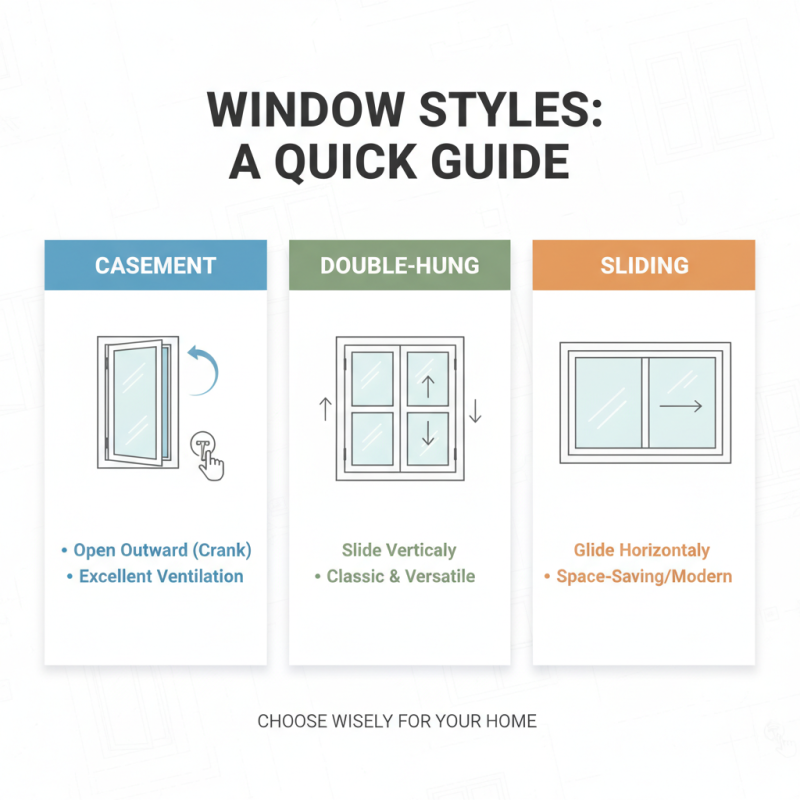
When choosing windows, consider different styles. Casement windows open outward with a crank. They provide excellent ventilation. They are great for hard-to-reach spots. However, they may not fit every style of home. Double-hung windows slide vertically. These are classic and versatile. They are easy to clean. Still, they can accumulate dirt in the tracks. Sliding windows glide open horizontally. They save space and offer a modern look. But they may not be as energy-efficient as others.
**Tips:** Think about your space. What fits best? Consider your climate. Some styles perform better in certain weather. Aesthetics matter too. Choose a style that enhances your home. Reflect on your lifestyle. If you frequently clean, maintenance-free options might be ideal.
Evaluating window styles requires careful thought. Lighting is essential. Some windows let in more natural light than others. Consider your furniture layout, too. Will the window block light or views? Balancing functionality and appearance is crucial. Testing various styles in person can help. Don’t rush this decision.
Assessing the Impact of Smart Glass Technology on Home Windows
Smart glass technology is revolutionizing home windows in 2026. This type of glass can change its tint based on temperature or sunlight exposure. According to a recent industry report, the smart glass market is projected to reach $5.2 billion by 2027. Many homeowners are intrigued, but there are challenges to consider.
One concern is cost. Smart windows can be pricier than traditional options. While they offer energy savings, upfront expenses may deter some buyers. Additionally, the technology's lifespan and effectiveness can vary. Some products don’t perform well in extreme temperatures. This inconsistency raises questions about long-term value.
Homeowners should also think about installation. Retrofitting existing windows with smart technology can be complex and costly. Many companies recommend professional installation for best results. However, this adds to the overall investment. Understanding these factors is crucial before making a decision. Balancing advantages and drawbacks will help homeowners choose wisely.
Key Factors in Window Installation: Professional vs. DIY Approaches
When considering window installation, one crucial decision is between professional help and a DIY approach. A recent industry report shows that about 70% of homeowners prefer hiring professionals for installation. This is mainly due to the complexity and precision required during the process. It’s not just about fitting a window; it's about ensuring energy efficiency and proper sealing. Incorrect installation can lead to drafts and leaks, which may increase heating or cooling costs by 20% annually.
DIY projects are appealing for their cost-saving potential. However, data from home improvement surveys indicates that 30% of DIY installations end up requiring professional correction. Mistakes can be costly. For instance, improperly installed windows could void warranties. Many homeowners overlook specific details, such as measuring frame sizes accurately or using the correct insulating materials.
Choosing a professional often results in fewer headaches. They can offer insights into the best materials suited for the local climate. Their experience means understanding local codes and regulations, which can save time and fines. However, if you’re determined to DIY, allowing for additional time and possible rework is advisable. The satisfaction of completing a task yourself can sometimes overshadow potential flaws in the final result.
How to Choose the Best Windows for Your Home in 2026? - Key Factors in Window Installation: Professional vs. DIY Approaches
| Factor |
Professional Installation |
DIY Approach |
| Cost |
Higher upfront investment (labor costs included) |
Lower initial costs, but potential for mistakes |
| Time |
Quicker installation with experienced hands |
May take longer due to inexperience |
| Quality |
High-quality craftsmanship and reliable finish |
Quality may vary based on skill level |
| Warranty |
Comprehensive warranty on labor and materials |
Limited to materials, no warranty on labor |
| Permits |
Handled by professionals, ensuring compliance |
Homeowner is responsible for obtaining permits |
| Skills Required |
No specific skills required from the homeowner |
Need basic carpentry and plumbing skills |