How to Choose Premium Windows for Your Home in 2025 Guide
As homeowners increasingly recognize the importance of energy efficiency and aesthetic appeal, the demand for premium windows continues to rise. In 2025, choosing the right windows could significantly impact both your home's charm and its energy performance. Leading industry expert, Dr. Emily Hart, a renowned specialist in sustainable architecture, emphasizes the value of investing in quality products by stating, "Premium windows are not just an upgrade; they are a long-term investment that enhances both comfort and property value."
Understanding the varying factors that influence the selection of premium windows can help you make informed decisions tailored to your home's needs. Whether it's energy efficiency ratings, materials, or design aesthetics, each aspect plays a crucial role in achieving the perfect fit for your living environment. By exploring the benefits and features of premium windows, homeowners can ensure that their choices significantly contribute to the overall comfort and functionality of their space.
In this guide, we will delve into the essential criteria to consider when selecting premium windows, illustrated by expert insights and practical advice. From understanding the latest technologies available in the market to navigating the installation process, this comprehensive overview will equip you with the knowledge needed to make an exemplary choice for your home in 2025.
Understanding the Different Types of Premium Windows Available in 2025
When selecting premium windows for your home in 2025, it’s essential to understand the various types available to make an informed choice. The market sees a growing trend towards energy-efficient windows, which utilize advanced technologies such as low-emissivity (Low-E) glass and multi-chamber frames. According to the U.S. Department of Energy, energy-efficient windows can reduce heat loss by up to 30%, significantly improving your home's insulation and lowering heating costs. Homeowners are increasingly opting for this type due to their long-term benefits and potential for energy savings.
Another option gaining popularity is the triple-glazed window, which offers superior insulation compared to traditional double-glazed models. A report by the National Fenestration Rating Council indicated that triple-glazed windows can enhance thermal performance by up to 50%, making them ideal for regions with extreme weather conditions. Additionally, advancements in frame materials such as fiberglass and composite are making these windows more durable and maintenance-free, with many manufacturers boasting lifespans that exceed 30 years. Exploring these options ensures you select windows that not only enhance your home's curb appeal but also contribute to a more sustainable living environment.
Key Factors to Consider When Selecting Premium Windows for Your Home
When selecting premium windows for your home in 2025, several key factors should guide your choice.
First and foremost is energy efficiency. Windows have a significant impact on a home's insulation effectiveness. Look for windows with a good insulation rating and features like double or triple glazing, which can help reduce energy costs and improve comfort by minimizing drafts and heat loss.
Additionally, consider the window frame material; options such as vinyl, wood, and fiberglass each offer different levels of thermal performance and durability, allowing you to choose based on your aesthetic preferences and maintenance capabilities.
Another critical aspect to consider is noise reduction. If you live in a busy area, windows that provide good sound insulation can enhance your living environment. Features such as laminated glass or specialized soundproof window designs can significantly diminish outside noise.
Furthermore, assess the window's design versatility. Premium windows come in various styles to complement your home’s architecture, from modern to traditional. Ensuring that your windows match both your functional needs and your home's overall aesthetic can create a cohesive and visually appealing look, enhancing both comfort and property value.
Evaluating Window Energy Efficiency Ratings and Their Importance
When selecting premium windows for your home in 2025, understanding energy efficiency ratings is essential. These ratings provide insight into how well a window can prevent heat loss and gain, directly influencing your home’s energy consumption and comfort. Look for metrics such as the U-factor, which measures the rate of heat transfer, and the Solar Heat Gain Coefficient (SHGC), indicating how much solar radiation is admitted through the window. High energy efficiency ratings can result in lower energy bills and contribute to a more sustainable home environment.
In addition to energy ratings, consider the importance of proper installation and the type of glazing used in the windows. Double or triple glazing options significantly enhance thermal insulation and improve energy efficiency. A reputable installer will ensure that windows fit correctly and function optimally, maximizing their performance. By prioritizing energy efficiency ratings, you not only create a more comfortable living space but also increase the overall value of your home while contributing to energy conservation efforts.
How to Choose Premium Windows for Your Home in 2025 Guide
| Window Type |
U-Value (W/m²K) |
SHGC |
Energy Star Rating |
Price Range ($) |
| Double Glazed Vinyl |
1.2 |
0.25 |
Yes |
300 - 600 |
| Triple Glazed Wood |
0.8 |
0.22 |
Yes |
700 - 1200 |
| Aluminium Clad |
1.0 |
0.24 |
Yes |
500 - 900 |
| Fiberglass |
1.1 |
0.27 |
Yes |
600 - 1100 |
| Single Glazed |
4.5 |
0.50 |
No |
150 - 300 |
Exploring Aesthetic Choices: Styles, Colors, and Materials for Windows
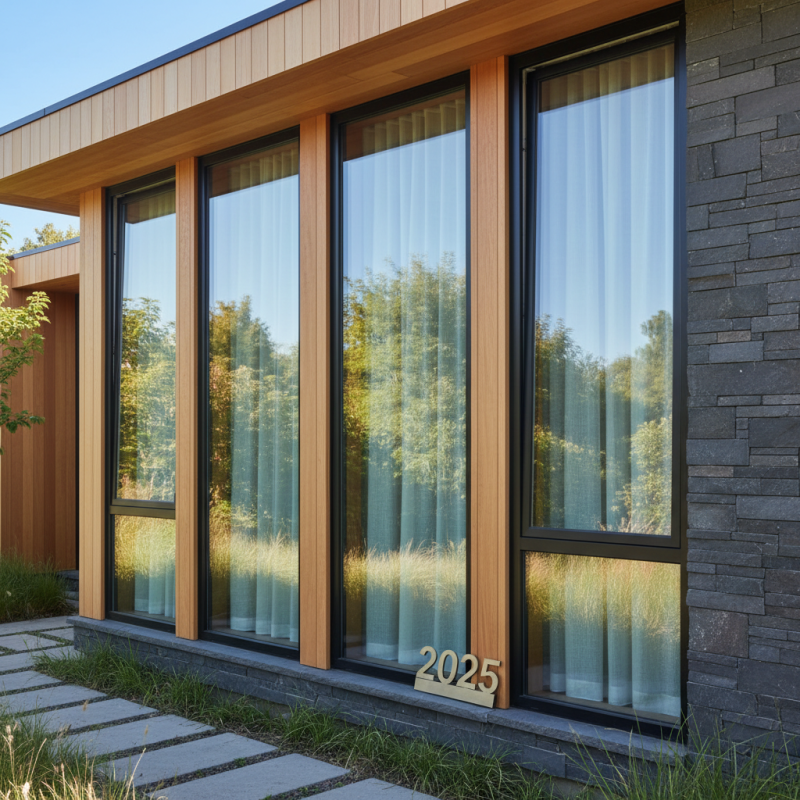
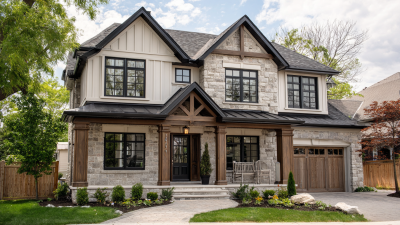
When selecting premium windows for your home in 2025, aesthetic choices play a crucial role in achieving a cohesive design. First, consider the style of the windows, as they should harmonize with your home's architectural features. Popular choices include casement windows, which offer a modern look, and double-hung windows that provide a classic feel. Each style offers unique advantages in terms of functionality and energy efficiency, allowing you to enhance both the beauty and performance of your home.
Color selection is another vital aspect of window aesthetics. The right color can significantly influence the overall appearance of your property. Neutral tones continue to dominate preferences, providing versatility and timeless appeal. However, bold colors are gaining traction as homeowners seek individuality and a statement piece. Moreover, materials like vinyl, wood, and aluminum vary not only in durability but also in the range of colors available, allowing you to align your windows with your personal style while ensuring long-lasting performance. Choosing materials that complement your home's exterior is essential, as it brings a unified look to the entire facade.
Budgeting for Premium Windows: Cost Considerations and Financing Options
When budgeting for premium windows, it's crucial to understand the full scope of costs associated with the purchase and installation. According to the National Association of Home Builders (NAHB), homeowners can expect to pay between $300 and $1,000 per window, depending on factors such as size, material, and energy efficiency features. Higher-end models, particularly those that offer advanced insulation or custom designs, can significantly elevate this price range. It's advisable to allocate a budget that not only covers the purchase of the windows but also accounts for potential installation fees, which can add an additional 10% to 20% to the overall cost.
Financing options for premium windows vary, and many homeowners may benefit from exploring these avenues to ease the financial burden. A report from Remodeling Magazine indicates that home improvement loans are becoming increasingly popular, with interest rates for personal loans averaging around 10% as of 2023. Additionally, some manufacturers offer financing directly, with promotional rates that can help mitigate upfront costs. Tax credits or rebates for energy-efficient home improvements should also be considered, as they can significantly reduce the net expense when investing in premium windows. Making informed financial decisions ensures that homeowners not only choose the best windows for their needs but also manage their budgets effectively in the process.