How to Choose Quality Home Windows for Energy Efficiency and Durability
When selecting quality home windows, homeowners are increasingly recognizing the significance of energy efficiency and durability in their choices. According to the American Energy Alliance, windows account for approximately 25-30% of residential energy use, highlighting the impact that proper selection can have on both comfort and utility bills. Investing in quality windows not only improves energy savings but also contributes to the long-term sustainability of a home.
Renowned industry expert Dr. Emily Collins, a leading figure in energy-efficient building materials, states, "The right windows can transform a home’s energy profile, enhancing insulation and reducing heating and cooling costs significantly." As homeowners seek to make informed decisions, understanding the attributes that define quality home windows—such as frame material, glazing options, and installation techniques—becomes paramount. By focusing on energy-efficient solutions, homeowners can not only improve the livability of their spaces but also enhance the overall value of their property.
Ultimately, the emphasis on quality home windows is more than a trend; it's a necessity for those looking to maximize their home’s energy performance while ensuring durability and longevity. As we delve into this guide, we will explore key factors to consider when choosing the best windows for your home.
Factors to Consider for Energy-Efficient Home Windows
When selecting home windows with energy efficiency and durability in mind, it is essential to consider several critical factors. One of the most significant aspects is the window's energy performance ratings, specifically the National Fenestration Rating Council (NFRC) ratings. Windows with a lower U-factor indicate better insulation properties; for instance, a U-factor of 0.30 or lower is often recommended for optimal energy efficiency. Additionally, the Solar Heat Gain Coefficient (SHGC) rating measures how much solar radiation passes through the window. A lower SHGC is ideal for warmer climates, where reducing heat gain is crucial for maintaining indoor comfort.
Another factor influencing the energy efficiency of windows is the type of glazing used. Double or triple-pane insulated glass can significantly enhance thermal performance, reducing energy loss by up to 50% compared to single-pane options, according to the U.S. Department of Energy. Furthermore, Low-E (low emissivity) coatings on glass can minimize heat transfer while allowing natural light to filter through, offering a balanced solution for homes that prioritize both illumination and insulation. This combination of features not only contributes to a more comfortable living environment but also reduces energy costs, making energy-efficient windows a worthwhile investment for homeowners.
Types of Window Materials and Their Impact on Durability
When selecting windows for optimal energy efficiency and durability, the material of the window plays a critical role. Common window materials include wood, vinyl, fiberglass, and aluminum, each offering different benefits and limitations in terms of longevity and thermal performance. According to the U.S. Department of Energy, energy-efficient windows can reduce energy bills by 7-15%, making material choice essential in achieving these savings.
Wood windows, often praised for their aesthetic appeal and superior insulation properties, have a lifespan of approximately 30 years when properly maintained. However, they are prone to rot and require regular upkeep.
Vinyl windows, on the other hand, are known for their low maintenance and high durability, with a lifespan that can exceed 20 years. Research from the National Fenestration Rating Council (NFRC) indicates that vinyl windows provide excellent thermal insulation, significantly contributing to energy efficiency when installed correctly.
Fiberglass windows are another option, known for their impressive strength and resistance to temperature variations, offering a lifespan of 30 years or more. They provide excellent insulation with very low thermal expansion, making them energy efficient. Conversely, aluminum windows are durable and require minimal maintenance but often lack the insulating properties of other materials, resulting in higher energy loss.
A study by the American Architectural Manufacturers Association (AAMA) highlights that aluminum frames can have thermal breaks that significantly improve their energy performance, though still not matching materials like fiberglass or wood in thermal efficiency. Thus, understanding the impact of window materials on durability and energy efficiency is crucial for any homeowner looking to make informed decisions.
Understanding Window Energy Ratings and Performance
When choosing home windows, understanding window energy ratings and performance is essential for ensuring energy efficiency and long-lasting durability. The energy efficiency of a window is often indicated by its U-factor and solar heat gain coefficient (SHGC). The U-factor measures the rate of heat transfer, while the SHGC indicates how much solar radiation passes through the window. When selecting windows, look for those with lower U-factors and appropriate SHGC ratings for your climate to maximize insulation and reduce heating and cooling costs.
Tips: When assessing different windows, consider obtaining a National Fenestration Rating Council (NFRC) label, which provides standardized energy performance ratings. This label makes it easier to compare windows and choose the most efficient option for your home’s specific needs.
Furthermore, the framing material and glazing options play a pivotal role in energy performance. Vinyl and fiberglass frames often provide better insulation compared to aluminum frames. Double or triple-pane glass with gas fills enhances the thermal barrier, ensuring less energy is lost through the windows. Assessing these aspects can lead to selecting windows that not only save energy but also contribute to the overall comfort and durability of your home.
Energy Efficiency Ratings of Different Window Types
Installation Techniques for Maximizing Energy Efficiency
Proper installation techniques are crucial for maximizing the energy efficiency of home windows. According to the Efficient Windows Collaborative, poorly installed windows can significantly reduce their thermal performance, leading to increased energy costs. To achieve optimal results, it is essential to ensure that windows are level, square, and properly aligned with the surrounding frame. Techniques such as using a consistent bead of caulk and properly sealing all gaps can help minimize air infiltration, which is a major factor in energy loss. In fact, studies show that air leakage can account for up to 30% of a home’s heating and cooling energy use.
Additionally, incorporating insulation materials during the installation process can further enhance energy efficiency. For instance, a report by the U.S. Department of Energy highlights that adding insulation to the window frame can reduce energy consumption by an average of 10-15%. Furthermore, homeowners should consider using thermal wraps and tape to improve the integrity of the seal and protect against moisture intrusion. These techniques not only prolong the life of the windows but also contribute to a more comfortable indoor environment by maintaining consistent temperatures year-round.
How to Choose Quality Home Windows for Energy Efficiency and Durability
| Window Type |
Energy Efficiency Rating |
Durability |
Installation Technique |
Average Cost ($) |
| Vinyl |
High (U-Value: 0.30) |
High (20+ years) |
Frame insulation and caulking |
300-800 |
| Fiberglass |
Very High (U-Value: 0.24) |
Very High (30+ years) |
Precision fitting and sealing |
600-1200 |
| Wood |
Moderate (U-Value: 0.35) |
Moderate (10-30 years) |
Weatherproofing and sealing |
400-1000 |
| Aluminum |
Moderate (U-Value: 0.40) |
Low (10-20 years) |
Thermal breaks for insulation |
500-900 |
Long-Term Maintenance Tips for Durability and Performance
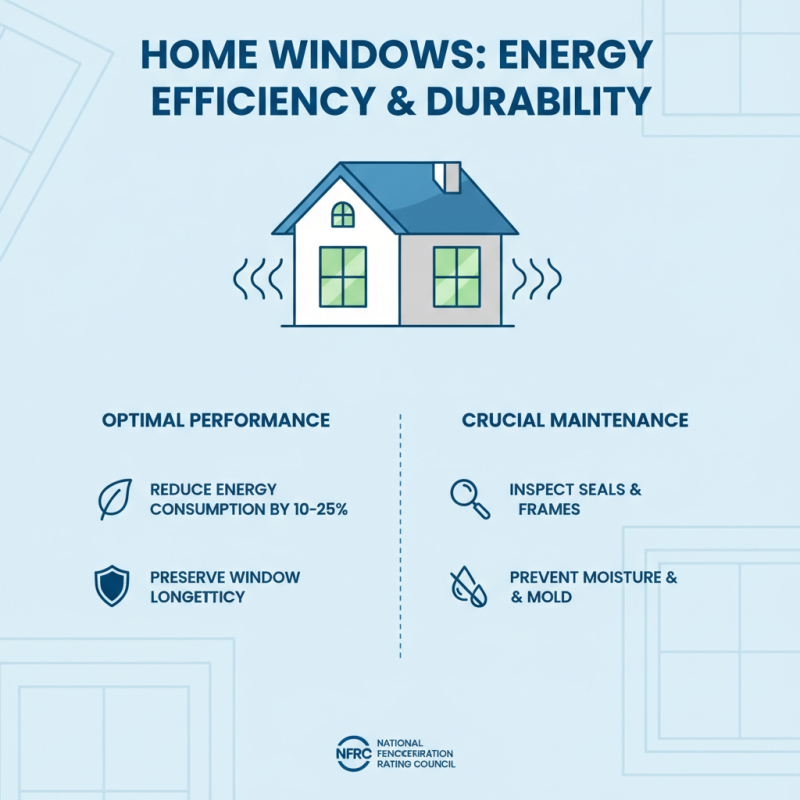
When selecting home windows for optimal energy efficiency and durability, proper long-term maintenance becomes crucial for preserving their performance. According to the National Fenestration Rating Council, well-maintained windows can reduce energy consumption by 10-25%, underscoring the importance of regular upkeep. Basic maintenance involves inspecting seals and frames for any signs of wear or damage. For instance, checking for moisture accumulation can help prevent mold growth, which not only affects air quality but can also lead to costly repairs over time.
In addition to regular inspections, it’s essential to clean windows thoroughly to prevent buildup that can impair their functionality. A report by the U.S. Department of Energy emphasizes that dirty windows can significantly decrease natural light entry, forcing homeowners to rely more on artificial lighting and thereby increasing energy usage. Cleaning windows at least twice a year, coupled with lubricating the moving parts, can maintain their ease of operation and longevity. Furthermore, during extreme weather conditions, applying weather stripping can enhance insulation, thereby ensuring sustained energy efficiency and durability, which ultimately leads to a healthier home environment.