How to Choose the Best Windows for Your Home: A Comprehensive Guide
Choosing the right windows for your home is a critical decision that affects not only the aesthetic appeal but also energy efficiency and long-term value. According to a recent industry report by the Window and Door Manufacturers Association (WDMA), properly selected windows can lead to a reduction in energy costs by up to 30%. This statistic underscores the vital importance of investing time and resources into understanding what constitutes the best windows for your specific needs.
Expert insights further emphasize the significance of informed decision-making in this area. Renowned window specialist, Dr. James Caldwell, notes, "The best windows are not just about the glass; they involve a comprehensive understanding of location, climate, and personal preferences.” His perspective highlights that selecting high-quality windows requires more than just a price comparison; it necessitates a thorough evaluation of various factors, including insulation, frame materials, and design compatibility with your home's architecture.
In this comprehensive guide, we will explore the essential elements to consider when shopping for the best windows, ensuring that you are well-equipped to make an educated decision that enhances your home’s functionality and appeal, while also contributing positively to your energy savings.
Understanding Different Window Types and Their Benefits
When selecting windows for your home, understanding the various types and their benefits is crucial. There are primarily three main types of windows: double-hung, casement, and sliding windows. Double-hung windows are characterized by their two vertically sliding sashes, which allow for excellent ventilation and easy cleaning. Their timeless design complements various architectural styles while providing energy-efficient options that help reduce heating and cooling costs.
Casement windows, hinged at the side, offer a modern alternative with an unobstructed view and maximum airflow. They can be opened fully, which not only enhances ventilation but also invites natural light into the home. This type of window is especially beneficial in hard-to-reach places, making them a popular choice for contemporary homes. Meanwhile, sliding windows provide a space-saving solution, making them ideal for areas where traditional swinging windows are not feasible. Their large glass panels offer expansive views and facilitate seamless indoor-outdoor living, particularly in homes with limited space. Each window type presents unique advantages, allowing homeowners to select windows that best fit their aesthetic and functional needs.
Factors to Consider When Choosing Windows for Your Home
When choosing windows for your home, several key factors come into play that can significantly impact energy efficiency, aesthetic appeal, and overall comfort. According to the American Society of Home Inspectors, approximately 25-30% of a home's heating and cooling energy can be lost through windows. This underscores the importance of selecting high-quality, energy-efficient options that adhere to performance standards such as those set by the National Fenestration Rating Council (NFRC). Look for windows with a low U-factor, which measures heat transfer, and a high Solar Heat Gain Coefficient (SHGC) to ensure that they keep your home comfortable year-round.
In addition to energy efficiency, it is essential to consider materials and aesthetics. Vinyl, wood, and fiberglass are commonly used materials, each with its advantages and drawbacks. According to Remodeling Magazine’s annual Cost vs. Value report, vinyl windows have shown to offer a good return on investment, ranking among the top replacement projects in terms of value recouped. Additionally, think about the style and architectural integrity of your home; selecting windows that enhance its design can lead to increased market value. Color, grid patterns, and frame styles should align with the overall look of your home while also matching local building codes and neighborhood aesthetics.
Evaluating Window Energy Efficiency Ratings and Their Importance
When choosing windows for your home, understanding energy efficiency ratings is crucial. These ratings, often represented by the Energy Star label in the United States, provide essential information about a window's performance. For instance, windows are commonly rated based on their U-factor (insulation capability), Solar Heat Gain Coefficient (SHGC), and Visible Transmittance (VT). According to the U.S. Department of Energy, a low U-factor indicates a higher resistance to heat transfer, which is vital for maintaining indoor temperatures and reducing energy costs.
Furthermore, the National Fenestration Rating Council (NFRC) provides standardized ratings that can help homeowners compare the energy efficiency of different window models effectively. A window with a U-factor of 0.30 or lower and an SHGC of less than 0.25 typically indicates superior energy performance. Research indicates that by replacing older, inefficient windows with high-performing models, homeowners can save up to 15% on their energy bills annually. By prioritizing these energy efficiency ratings, you not only enhance your home's comfort but also contribute to significant long-term savings and a reduced environmental footprint.
Energy Efficiency Ratings of Common Window Types
Choosing the Right Window Materials for Your Climate
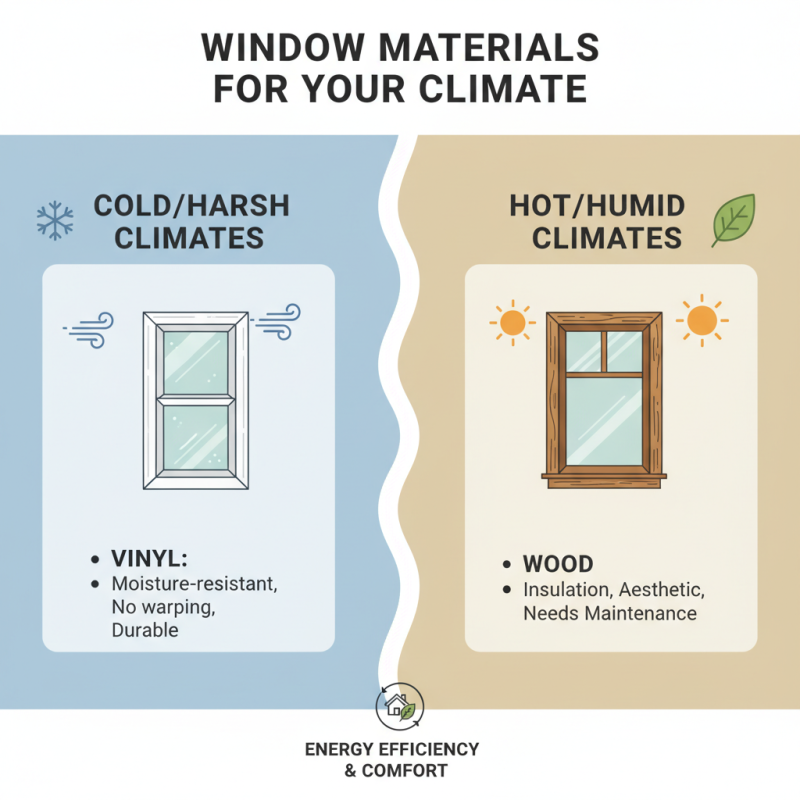
Choosing the right window materials for your climate is crucial to ensure energy efficiency, durability, and comfort in your home. In regions with extreme temperatures—whether hot or cold—specific materials perform better than others. For instance, vinyl windows are excellent for areas facing harsh weather because they resist moisture and do not warp, maintaining their integrity over time. On the other hand, wood windows provide great insulation and aesthetic appeal, although they require regular maintenance to prevent rot in humid environments.
Tips: When selecting window materials, consider the insulation value (R-value) and how well the material can withstand your local climate conditions. Additionally, think about the long-term costs of upkeep versus the initial installation price.
For coastal areas prone to salty air, fiberglass windows might be the optimal choice due to their resistance to corrosion. If you live in a region with heavy snow, double or triple-glazed glass windows are advisable as they offer better protection against the cold and prevent heat loss.
Tips: Always check local building codes and consult with professionals to ensure that your selected windows are suitable for your specific environment. Making an informed decision will lead to better comfort and lower energy bills in the long run.
Installation and Maintenance Tips for Optimal Window Performance
When considering window installation and maintenance, it’s crucial to prioritize optimal performance for longevity and efficiency. Start by ensuring the windows are installed correctly. Misalignment can lead to air leaks and energy loss. For installation, use high-quality sealing materials and ensure all windows are fitted snugly in their frames. Regular inspections after installation will help identify any potential issues, such as improperly sealed edges or visible wear.
To maintain your windows, regular cleaning is essential. Using a soft cloth and a mild cleanser will prevent scratches and buildup on the glass surface. Furthermore, check the seals and weather stripping at least once a year to ensure they are intact. Replace any damaged parts promptly to maintain energy efficiency and prevent water intrusion.
Finally, consider seasonal maintenance tips. During the colder months, ensure windows can open and close without obstruction. In warmer seasons, applying a protective UV film can safeguard against sun damage while improving insulation. By following these tips, you can enhance both the lifespan and functionality of your windows, keeping your home comfortable year-round.