Why Choosing the Best Quality Windows for Your Home Matters for Energy Efficiency
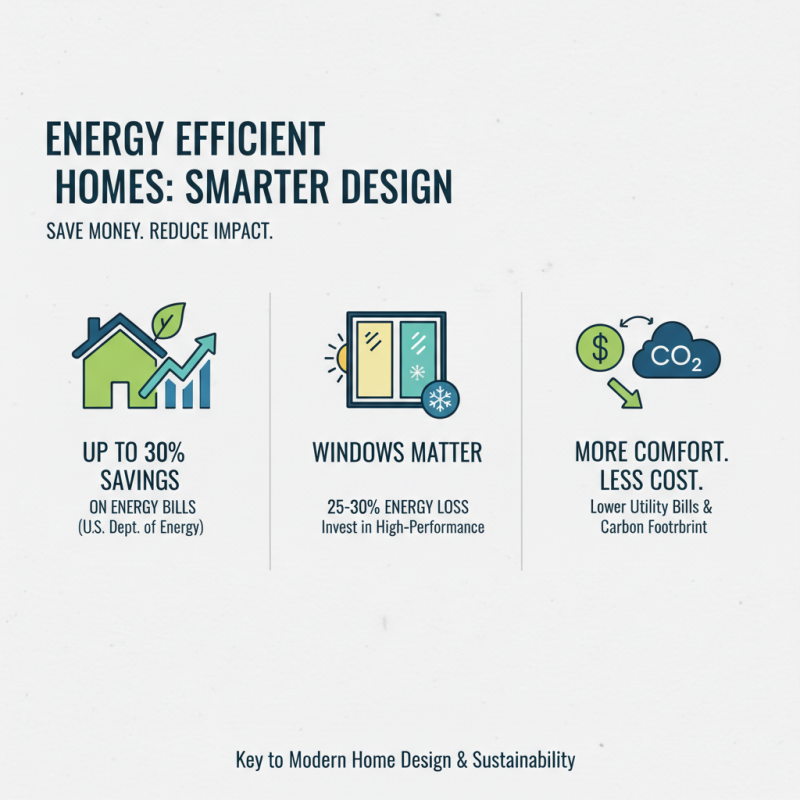
When considering home improvements that significantly impact energy efficiency, one often overlooks the pivotal role of windows. According to the U.S. Department of Energy, a substantial 25-30% of residential heating and cooling energy is lost through windows, making the choice of the best quality windows for home a critical factor in optimizing energy performance. The right windows not only enhance the aesthetic appeal of a home but also provide substantial economic benefits through reduced energy bills and increased property value.
Research from the Lawrence Berkeley National Laboratory has shown that high-performance windows can reduce energy costs by up to 40% compared to standard single-pane windows. This demonstrates that investing in the best quality windows for home is not just a matter of comfort, but a smart financial decision as well. Whether through improved insulation or advanced glazing techniques, quality windows can markedly decrease reliance on HVAC systems. As homeowners strive for both sustainability and economic efficiency, prioritizing the selection of the best quality windows for home becomes an essential strategy in achieving long-term energy savings and comfort.
Importance of Energy Efficiency in Home Design
Energy efficiency is a critical component of modern home design, significantly impacting both environmental sustainability and household expenses. According to the U.S. Department of Energy, energy-efficient homes can save up to 30% on energy bills, which translates to substantial savings over time. Selecting high-quality windows is essential, as they account for approximately 25-30% of a home's heating and cooling energy loss. This means that investing in well-insulated, high-performance windows can drastically reduce energy consumption, making homes more comfortable while lowering utility costs.
When choosing windows, it's vital to consider energy ratings such as the National Fenestration Rating Council (NFRC) labels. These ratings provide valuable information on factors like U-factor, solar heat gain coefficient, and visible transmittance, helping homeowners make informed decisions. For optimal performance, it is advisable to select windows with double or triple glazing, low-emissivity (low-e) coatings, and argon or krypton gas fills.
Tips: To maximize energy efficiency, ensure proper installation of your windows, as gaps or leaks can negate their benefits. Additionally, consider employing window treatments, such as shades or screens, to further control heat gain during summer months and retain warmth in winter, enhancing overall comfort and efficiency in your home.
Understanding Window Quality and Its Impact on Energy Savings
Choosing the right windows for your home can significantly affect your energy consumption and overall comfort. The quality of windows directly influences their insulating properties, which play a crucial role in maintaining indoor temperatures.
High-quality windows are designed with superior materials and craftsmanship, offering better thermal performance that minimizes heat loss during winter and keeps your home cool during summer months. Efficient windows are typically equipped with multiple glazing layers, inert gas fills, and low-emissivity coatings, all of which contribute to reducing energy usage.
Moreover, the impact of window quality extends beyond mere temperature control; it also contributes to energy savings in the long term. Investing in well-made windows can lower your heating and cooling costs, making your home more energy-efficient. In addition to the obvious financial benefits, quality windows can also enhance the overall aesthetics and functionality of your living space.
Additionally, they may require less maintenance over time, ultimately leading to more savings and a reduced environmental footprint. Thus, understanding the importance of window quality is essential for making informed decisions that promote both comfort and energy efficiency in your home.
Key Features to Look for in Energy-Efficient Windows
When selecting energy-efficient windows for your home, several key features should guide your decision. First and foremost is the window frame material, which can significantly impact insulation. Options such as vinyl, wood, and fiberglass provide various levels of thermal resistance, with vinyl often being favored for its durability and low maintenance. Alongside the material, the window's glazing technology plays an essential role. Double or triple-pane glass can reduce heat transfer, helping to keep your home warm in winter and cool in summer. A low-emissivity (low-E) coating is also crucial as it minimizes the amount of UV and infrared light that enters your home without compromising natural light.
Another important feature to consider is the gas fill between the panes. Many modern windows are filled with argon or krypton gas, which enhances insulation compared to air. This additional layer of protection reduces energy costs by decreasing the need for heating and cooling. Furthermore, look for windows with enhanced air leakage ratings. Windows that are designed to prevent drafts not only improve comfort but also contribute significantly to energy savings over time. By focusing on these essential characteristics, homeowners can make informed choices that boost their home’s energy efficiency while enhancing overall comfort.
Energy Efficiency in Windows: Key Features and Performance Metrics
Comparing Different Types of Energy-Efficient Window Materials
When it comes to enhancing energy efficiency in your home, the choice of window materials can make a significant difference. Homeowners often overlook the importance of selecting the right windows, which can lead to increased heating and cooling costs. There are several materials commonly used in energy-efficient windows today, each offering unique benefits.
Vinyl windows are among the most popular choices due to their affordability and excellent insulation properties. They are low maintenance, resistant to moisture, and do not require painting, making them a practical option for many homeowners. On the other hand, fiberglass windows can provide superior energy efficiency and durability. They have a higher insulation value than vinyl and can withstand extreme weather conditions, though they come at a higher price point. For those looking for something more traditional, wood windows can offer aesthetic appeal and excellent insulation but require regular maintenance to prevent rot and decay.
Tips: When investing in new windows, consider the U-factor and Solar Heat Gain Coefficient ratings, as these figures indicate the energy efficiency of the windows. Additionally, if possible, opt for window frames that are filled with insulating materials or have low-emissivity (Low-E) coatings to further enhance performance. Always consult with a window specialist to determine which materials best suit your home’s needs and climate.
Why Choosing the Best Quality Windows for Your Home Matters for Energy Efficiency
| Window Material |
U-Value (W/m²K) |
Solar Heat Gain Coefficient (SHGC) |
Lifespan (Years) |
Cost Range ($) |
| Vinyl |
1.2 |
0.32 |
20-40 |
300-600 |
| Wood |
1.4 |
0.30 |
30-60 |
500-1000 |
| Aluminum |
1.6 |
0.25 |
20-35 |
400-800 |
| Fiberglass |
0.2 |
0.30 |
50+ |
800-1200 |
| Composite |
0.3 |
0.27 |
30-50 |
600-900 |
Long-Term Benefits of Investing in Quality Windows for Homeowners
Investing in quality windows for your home is not just about enhancing aesthetic appeal; it significantly contributes to long-term energy efficiency. High-quality windows are designed to provide better insulation, reducing heat loss in winter and keeping your home cooler during summer. This efficient thermal management minimizes the need for heating and cooling systems to work overtime, ultimately leading to lower energy bills and a smaller carbon footprint. Homeowners can experience substantial savings over time, as the initial investment in durable materials pays off through reduced utility costs.
Moreover, quality windows also improve indoor comfort. By minimizing drafts and maintaining a consistent temperature, they create a more pleasant living environment year-round. Additionally, high-performance windows often include advanced features such as UV protection, which helps in preventing furniture and décor from fading while keeping your living spaces brighter.
This blend of comfort and energy savings not only enhances the quality of life within your home but can also increase its overall value, making it a smart choice for homeowners looking to invest wisely in their properties.