How to Choose the Best Quality Windows for Your Home: A Comprehensive Guide
Choosing the best quality windows for home is a crucial decision that can significantly impact energy efficiency, aesthetic appeal, and overall property value. According to the U.S. Department of Energy, quality windows can reduce energy bills by up to 15% annually, highlighting the importance of investing in high-performance options. Moreover, the National Association of Home Builders reports that homes equipped with energy-efficient windows can sell for an average of 10-15% more than those without. With a wide range of materials, styles, and technologies available, making the right choice can seem daunting. This comprehensive guide aims to demystify the selection process, providing you with the essential insights and metrics to find your ideal windows while maximizing both comfort and cost savings.
Understanding Different Window Materials and Their Benefits
When selecting windows for your home, understanding the various materials available is crucial in making an informed decision. The three most common window materials are vinyl, wood, and aluminum, each offering distinct benefits. Vinyl windows are known for their exceptional energy efficiency and low maintenance, making them a popular choice for homeowners who desire durability without the hassle. Wood windows, on the other hand, provide a classic aesthetic and natural insulation, but they do require regular maintenance to prevent weather damage. Aluminum windows offer strength and resistance to the elements, ideal for modern designs, but may not be as energy-efficient as their vinyl counterparts.
Tips: When considering window materials, assess the climate in your area. In regions with harsh winters, opt for materials with superior insulation properties, like vinyl or wood. Additionally, factor in the overall architectural style of your home; the right window material should enhance aesthetic appeal while serving functional needs.
Another important aspect is the window's energy efficiency rating. Look for windows that are ENERGY STAR certified, as they are designed to reduce energy costs and minimize your carbon footprint. Comparing warranties among different materials can also provide insights into their durability and longevity, ensuring you invest in windows that will stand the test of time.
Evaluating Energy Efficiency Ratings for Window Selection
When selecting windows for your home, energy efficiency is paramount. Windows are often identified as the weakest link in a building's thermal envelope due to their low thermal resistance, significantly affecting the overall energy consumption. Recent innovations in energy-efficient construction highlight the importance of advanced materials and methodologies that can greatly contribute to reducing energy demands. For instance, high-performance glazing systems can improve insulation, thereby minimizing heat loss in winter and reducing heat gain in summer.
Tip: Look for windows with a high energy-efficiency rating, such as those certified by ENERGY STAR or equivalent standards. Pay attention to the U-factor, which measures heat transfer; lower U-factor values indicate better insulation.
Moreover, as climate change intensifies, the long-term viability of energy conservation measures (ECMs) becomes increasingly vital. When selecting windows, consider the design that integrates smart technologies, such as switchable glazing, which can adapt to changing environmental conditions. This contributes not only to energy savings but also enhances indoor air quality, particularly in the wake of lessons learned from the COVID-19 pandemic regarding ventilation systems.
Tip: Evaluate window options that feature low-emissivity (Low-E) coatings; these coatings can significantly enhance your home’s energy performance by reflecting heat back into the room during winter while blocking excessive solar heat during summer.
Comparing Styles and Designs to Match Your Home Aesthetic
When selecting windows for your home, the aesthetic appeal is as crucial as the functionality. According to a report by the American Architectural Manufacturers Association, over 70% of homeowners consider style compatibility a key factor when choosing windows. With a variety of styles available—including double-hung, casement, and sliding windows—it's essential to evaluate how each design complements your home’s architecture.
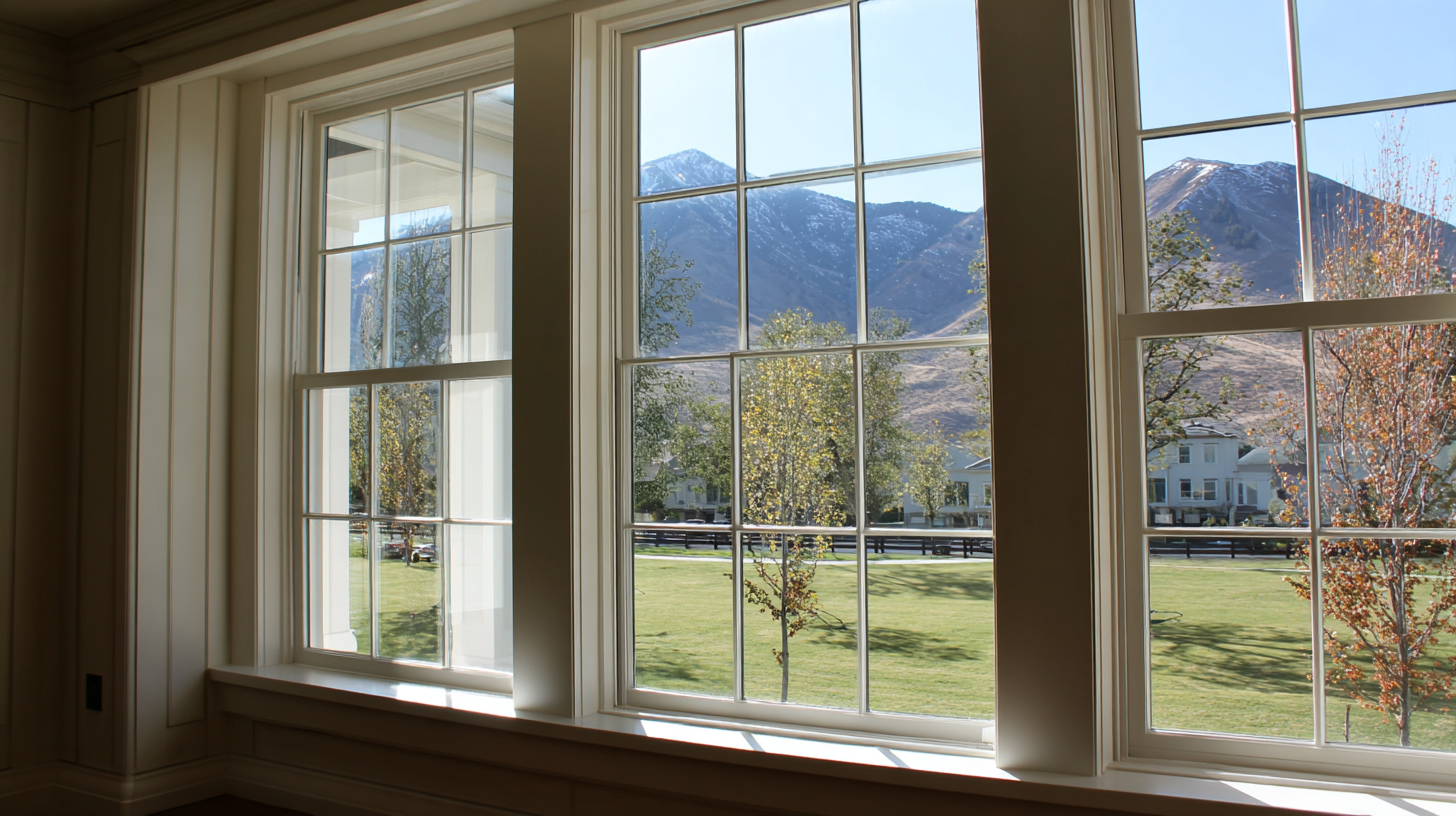
For instance, traditional homes often pair well with double-hung windows that feature divided lites, while modern homes might benefit from sleek, minimalist casement windows that maximize natural light.
Moreover, window materials can significantly impact both style and performance. Vinyl windows, renowned for their durability and low maintenance, can be designed to mimic the look of wood, thereby offering a versatile option that suits various aesthetics. A study by the National Association of Home Builders revealed that energy-efficient window styles could enhance home value by up to 10%. Thus, while deciding on the best windows for your home, it’s vital to balance design preferences with performance metrics to create a cohesive and energy-efficient living space.
Key Factors to Consider When Choosing Window Sizes
When selecting windows for your home, one of the most critical factors to consider is the size of the windows. Industry reports indicate that appropriately sized windows can improve energy efficiency by up to 10-15% compared to poorly sized options. This is primarily because the right size maximizes natural light while minimizing heat loss during the colder months and heat gain in the summer. Therefore, measuring your openings accurately and understanding your home’s orientation can significantly influence your decision.
Additionally, window size impacts not just energy efficiency, but also aesthetics and ventilation. According to the American Institute of Architects, homes with balanced window sizes and placements tend to garner higher appraisal values—up to 8% more than those with non-uniform sizing. Properly proportioned windows enhance the overall design of your home while providing adequate airflow, essential for maintaining indoor air quality. Thus, when deliberating over window sizes, take into account both functional benefits and visual appeal to ensure a comprehensive selection process.
The Importance of Professional Installation for Optimal Performance
When it comes to installing new windows in your home, the quality of the installation is as crucial as the quality of the windows themselves. According to the American Architectural Manufacturers Association (AAMA), poorly installed windows can lead to problems such as air leakage, water infiltration, and decreased energy efficiency, all of which undermine the performance of even the highest-rated window products. A study by the National Fenestration Rating Council (NFRC) indicates that improper installation can reduce energy efficiency by as much as 30%, resulting in higher utility bills and increased environmental impact.
Professional installation not only ensures that your windows are installed correctly but also maintains the integrity of their warranty. Many manufacturers specify that warranties are only valid when windows are installed by certified professionals. Furthermore, professionals are equipped with the necessary tools and experience to handle unique challenges during the installation process, such as variations in wall structures or unexpected weather factors. Investing in professional installation can save homeowners significant costs in repairs and energy losses in the long run, making it a key aspect of maximizing your investment in quality windows.