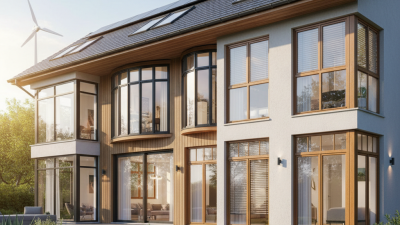
Why Choosing the Best Windows for Home is Essential for Energy Efficiency?
Selecting the best windows for home is crucial for enhancing energy efficiency. According to energy consultant Mark Thompson, “The right windows can make a significant difference in your energy bills.” Choosing quality windows helps reduce heat loss during winter. It also keeps homes cool in summer.
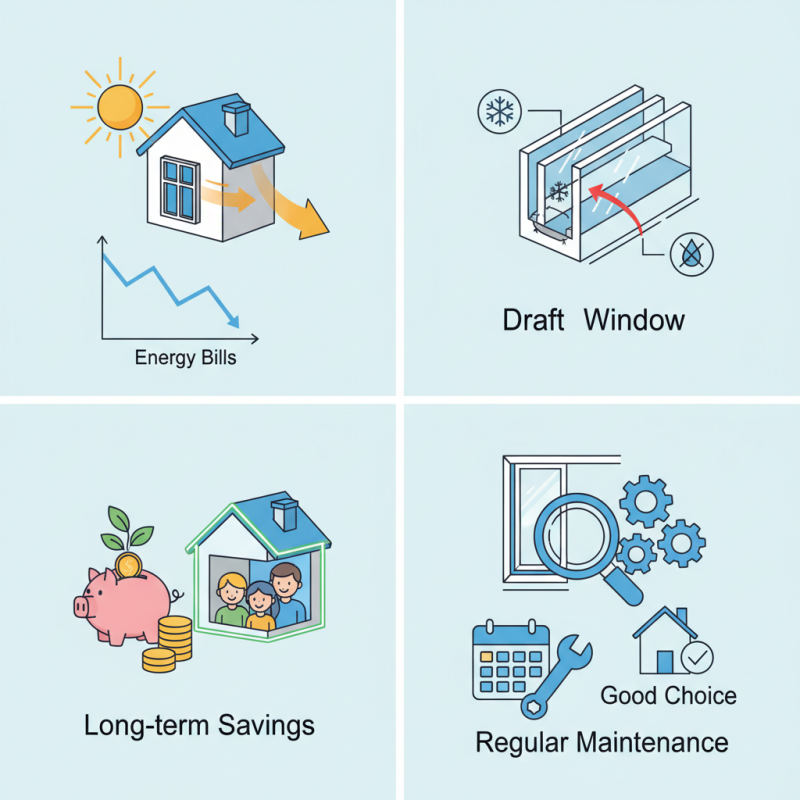
Energy-efficient windows prevent drafts and moisture buildup. They work by utilizing advanced materials and technologies. This choice can lead to long-term savings and comfort. Many homeowners overlook this when renovating.
Investing in the best windows for home doesn’t guarantee perfection. Frames may not fit ideally, causing potential leaks. Regular maintenance is essential to ensure efficiency. Addressing these details can prevent issues down the line. The ideal choice requires research and consideration of various factors.
Importance of Energy Efficiency in Modern Homes
Energy efficiency is a crucial aspect of modern home design. It significantly impacts both the environment and household budgets. Properly chosen windows can reduce heating and cooling costs. High-quality windows minimize air leaks, maintaining comfortable indoor temperatures. This leads to savings on energy bills each month.
The decision-making process can be overwhelming. Homeowners may focus too much on style rather than function. A beautiful window might not perform well in extreme weather. It’s important to think about insulation, UV protection, and air-tightness. These factors determine how energy-efficient windows truly are.
Many homes still suffer from outdated window designs. This not only wastes energy but also affects comfort. Drafty windows can lead to uneven temperatures, causing discomfort in different areas. Evaluating energy efficiency is essential for creating a sustainable living space. It’s a step towards reducing our carbon footprint.
Factors to Consider When Choosing Windows for Energy Efficiency
Choosing windows for your home is more than just a style choice. It impacts energy efficiency significantly. Look for materials with good insulation properties, like vinyl or fiberglass. These materials can help reduce heat loss in winter and keep your home cool in summer.
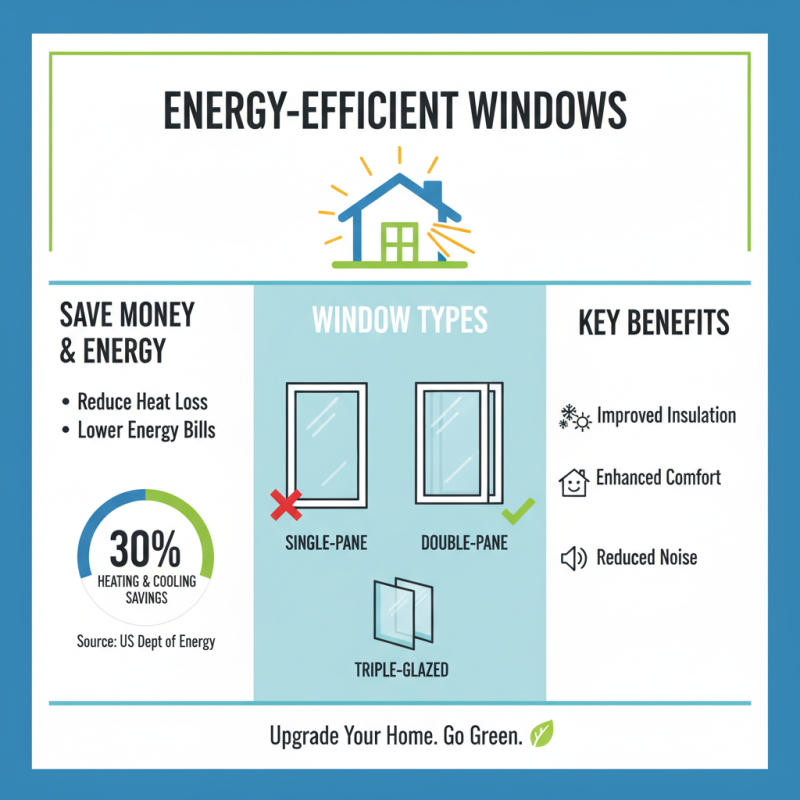
Consider the type of glass used in the windows. Double or triple-pane glass provides better insulation than single-pane glass. Ensure these windows come with low-e coatings. This can reflect heat outside in summer and keep it inside during winter. Don’t forget about the frame and the seals. A poorly sealed window can lead to drafts and higher energy bills.
Pay attention to the orientation of your windows too. South-facing windows can bring in valuable heat from the sun during colder months. However, they can also generate heat in summer, unless shaded properly. Think about the long-term costs versus benefits. Choosing energy-efficient windows may seem expensive now, but they can lead to savings on energy bills. Reflect on how these choices impact both your wallet and the environment.
Types of Windows and Their Impact on Energy Savings
Choosing the right windows can significantly impact your home's energy efficiency. The type of windows you select plays a crucial role in minimizing heat loss and reducing energy bills. Double-pane windows, for instance, offer better insulation than single-pane options. According to the U.S. Department of Energy, homes using double or triple-glazed windows can save up to 30% on heating and cooling costs.
Different window materials also affect energy savings. Vinyl and fiberglass frames typically provide better insulation compared to aluminum. A well-insulated window can reduce energy loss by up to 70%. Homeowners should pay attention to the window's U-factor. This rating indicates how effective the window is at preventing heat from escaping. A lower U-factor means better energy efficiency.
Tips: Always consider the climate in your area. In colder regions, choose windows with low U-factors. In warmer climates, look for low solar heat gain coefficients. Additionally, ensure that the windows are properly sealed. Gaps can lead to drafts, negating the benefits of energy-efficient windows. Investing in quality windows means long-term savings, but it’s important to weigh the options carefully. Reevaluate your choices if energy bills remain high.
Installation and Maintenance Tips for Optimal Window Performance
Proper installation and maintenance of windows can significantly enhance energy efficiency in homes. According to the U.S. Department of Energy, well-installed windows can reduce energy bills by 10-25%. The thermal performance of windows relies heavily on the installation process. Even the best windows can underperform if they're not fitting properly. Gaps and leaks can lead to noticeable air loss, compromising insulation.
Regular maintenance is crucial for optimal window performance. Simple tasks like checking seals and cleaning tracks can extend lifespan. A study from the National Window Safety Task Force highlights that 90% of window malfunction issues stem from inadequate upkeep. Inspecting window frames for decay or damage should happen annually. Ensuring that windows open and close smoothly is also vital for energy conservation.
Homeowners might overlook minor issues until they become major problems. For instance, a small crack can lead to increased energy loss. Regularly evaluating windows for such issues is essential. Addressing repairs promptly can save homeowners money. Taking these proactive steps is a key part of maintaining energy efficiency in any home.
Long-Term Benefits of Energy-Efficient Windows in Residential Properties
Choosing energy-efficient windows can have long-term benefits for residential properties. These windows can significantly reduce heating and cooling costs. Homeowners who invest in them often see lower utility bills each month. This immediate financial relief is just the beginning.
Energy-efficient windows enhance comfort levels inside a home. They help maintain a consistent temperature. By minimizing drafts and cold spots, these windows create a more pleasant living space. However, not all energy-efficient options are created equal. Some may still perform poorly if not installed correctly.
Beyond savings, these windows increase property value over time. Potential buyers often look for homes that promise efficiency. Yet, the initial costs can seem daunting. Homeowners must weigh the upfront investment against future savings. It's a decision worth careful consideration.