How to Choose Quality Home Windows for Your Home?

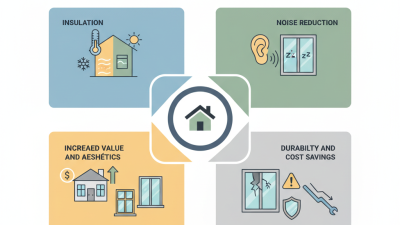
Selecting quality home windows is a critical decision for any homeowner. Windows impact aesthetic appeal, energy efficiency, and comfort. They play a significant role in the overall performance of a house. The market offers a wide range of options, making choices overwhelming.

When deciding on quality home windows, consider materials, style, and functionality. Different materials have distinct benefits. For instance, vinyl is low maintenance but may not offer the elegance of wood. Each choice has its trade-offs.

Installation is another key factor. Poorly installed windows can lead to energy loss. This can create drafts and increase utility bills. Understanding these elements helps refine your selection process. With some research and reflection, you can find the perfect windows for your home.
How to Choose Quality Home Windows for Your Home?

Understanding Window Types: Vinyl, Wood, Aluminum, and Fiberglass

Choosing the right windows for your home involves understanding available materials. Each type has distinct features. Vinyl windows are popular for their durability and low maintenance. They resist fading and do not require painting. However, they can lack the aesthetic appeal of wood.

Wood windows offer a classic look. They provide excellent insulation and can be customized easily. Yet, they need regular upkeep to avoid rot and warping. Consider your climate before choosing. In wetter areas, wood may not be the best option.

Aluminum windows are strong and lightweight. They withstand harsh weather but can conduct heat. This might lead to higher energy costs. Fiberglass windows, on the other hand, mimic wood's appearance while offering better insulation. This material is resistant to warping and can last for decades.

**Tips:** Look for Energy Star labels when selecting windows. This indicates higher energy efficiency. Research local suppliers for materials suited to your area. Prioritize installation quality; it greatly impacts performance. Regular maintenance checks can extend window life.
Evaluating Energy Efficiency Ratings: Importance of U-Factor and SHGC

When selecting home windows, energy efficiency is vital. Two critical metrics to consider are U-Factor and Solar Heat Gain Coefficient (SHGC). The U-Factor measures how well a window insulates. A lower U-Factor indicates better insulation. This translates into less heating and cooling energy loss, which can eventually save you on energy bills.

The SHGC reflects how much solar radiation passes through a window. A lower SHGC means less heat enters your home during hot weather. This feature is essential in regions with warm climates. Finding a balance between U-Factor and SHGC can be challenging. If a window has excellent insulation but allows too much heat, it may not be energy-efficient overall.

It's crucial to evaluate your home’s specific needs. A window with a lower U-Factor may not be necessary in cooler climates. Conversely, in warmer areas, high SHGC ratings can make a significant difference. Each choice can affect comfort and energy bills. An informed decision requires considering both factors thoughtfully. Blending energy efficiency with aesthetic appeal adds complexity to the selection process. It's okay to revise choices based on the outcomes of previous decisions.

How to Choose Quality Home Windows for Your Home? - Evaluating Energy Efficiency Ratings: Importance of U-Factor and SHGC

Window Type U-Factor (lower is better) SHGC (Solar Heat Gain Coefficient) Recommendation
Double Pane 0.30 0.25 Good for moderate climates
Triple Pane 0.20 0.20 Excellent for colder regions
Low-E Coated 0.25 0.15 Great for energy savings
Vinyl 0.35 0.30 Affordable option with decent performance
Wood 0.40 0.35 Aesthetic value, but lower efficiency

Assessing Window Durability: The Impact of Climate and Material Choice

How to Choose Quality Home Windows for Your Home?

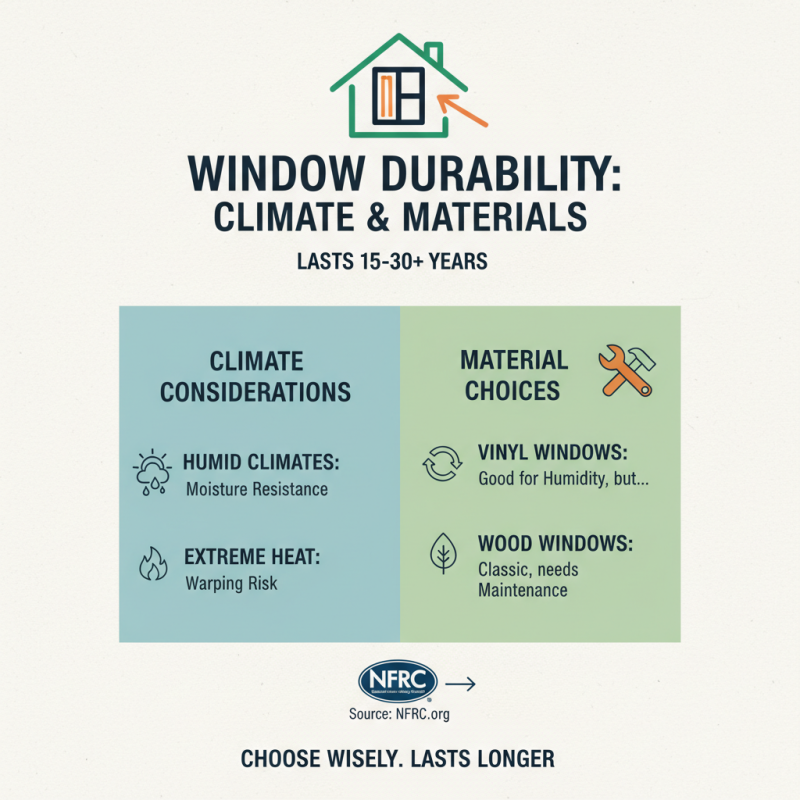
When selecting home windows, durability is crucial. Climate and material choice impact how long your windows last. According to the National Fenestration Rating Council, windows can last from 15 to over 30 years, depending on their construction and the environmental conditions. For instance, vinyl windows resist moisture well, making them a solid choice for humid climates. But, they may warp in extreme heat.

Wood windows offer excellent insulation but require regular maintenance. In a study by the National Association of Home Builders, wood windows were reported to have a lifespan of around 30 years, with proper care. However, neglect can lead to rot and decay. Homeowners in wet areas must consider these factors.

Aluminum frames are strong and lightweight but might not provide the best insulation. They can conduct heat, making homes warmer in summer and colder in winter. R-value, a measure of insulation effectiveness, can vary significantly by material. In stark contrast, fiberglass frames excel at insulating and are durable. These choices depend on your specific climate and preferences, urging homeowners to reflect on their choices carefully.

Selecting Designs and Styles: Balancing Aesthetics and Functionality

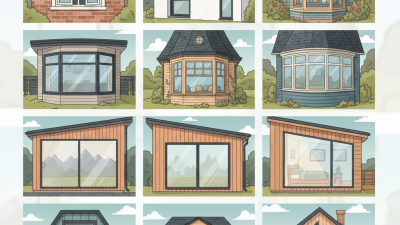
When selecting home windows, design and style play significant roles. Aesthetics can enhance your home's curb appeal. Your window choice should complement the architectural style of your home. For instance, traditional homes often look best with double-hung windows. In contrast, modern designs may benefit from sleek, large panes.

Functionality is equally crucial. Windows need to provide insulation, security, and ease of use. Consider energy-efficient options that help reduce heating and cooling costs. Look for sturdy materials that can withstand weather changes. You might face challenges in balancing beauty and practicality. It's important to assess your needs carefully. Not every stylish design will fit your lifestyle.

Choosing the right windows is a reflection of your personal taste. Ask yourself how a specific design makes you feel. Will it stand the test of time? Explore various styles before making a decision. Remember, your windows are not just openings; they shape your home's character.

Budgeting for Quality Windows: Average Costs and Long-term Savings

Choosing quality windows for your home involves careful budgeting. Quality windows have initial costs, but they provide long-term savings. The average cost of high-quality windows varies. Homeowners might spend between $200 and $800 per window, depending on the style and materials.

Investing in windows with energy-efficient features can reduce your energy bills significantly. The initial expense may seem daunting. However, consider the savings on heating and cooling over time. Many homeowners find that energy-efficient windows pay for themselves within a few years due to lower utility costs.

Tips: Look for windows with a good warranty. A lengthy warranty often indicates a trustworthy product. Research local installation professionals to ensure they have experience and good reviews. Don’t rush the decision; take time to evaluate various options. Quality windows enhance your home's value. Investing wisely will benefit you in the long run.