How to Choose the Best Mobile Home Windows for Your Needs?
Choosing the right mobile home windows is crucial. They impact energy efficiency, safety, and aesthetics. According to a recent report by the National Association of Home Builders, over 30% of homeowners consider window quality a top priority. Mobile homes have unique requirements. Hence, selecting suitable windows requires insight and knowledge.
Expert Mark Johnson emphasizes, "The right mobile home windows can enhance insulation and reduce energy costs." However, many homeowners overlook significant factors such as frame material and energy ratings. Poor choices can lead to higher energy bills over time.
Another challenge is the myriad options available. Vinyl, aluminum, and wood come with pros and cons. It’s essential to balance cost and benefits. Window size and fit also matter. Many mobile homes have non-standard dimensions. Without careful measurement, you could face costly errors. Understanding these elements will guide you to better decisions.
Understanding Different Types of Mobile Home Windows and Their Features
Choosing the right windows for a mobile home requires careful consideration of various types and their features.
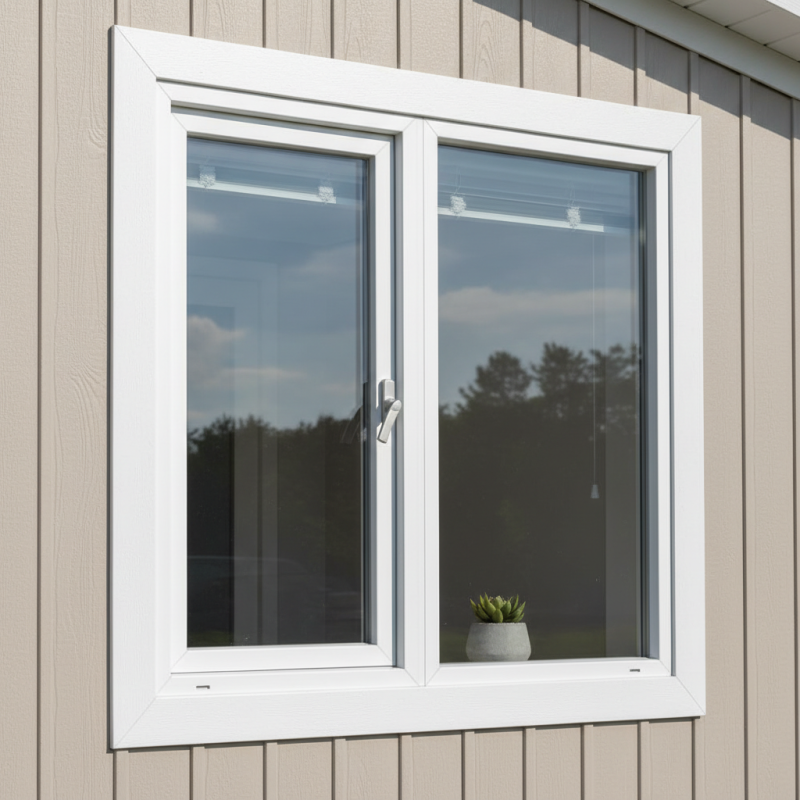
Vinyl windows are popular due to their durability and energy efficiency. They come in various styles and colors, allowing homeowners to customize their aesthetic appeal. According to industry studies, vinyl windows can improve energy efficiency by up to
30%, significantly reducing heating and cooling costs.
Aluminum windows offer a different set of advantages. They are lightweight and resistant to corrosion, making them suitable for diverse weather conditions. However, they may not provide the same insulation level as vinyl windows. Data shows that aluminum can lead to higher energy consumption, especially in extreme climates. Homeowners should weigh the pros and cons based on their local weather patterns.
Lastly, wooden windows exude a classic charm but require more maintenance. They need regular painting or sealing to prevent rot. On average, homeowners spend about 10% more on maintenance for wooden windows than for vinyl options. Balancing aesthetics and practicality is crucial when selecting windows. Your choice will influence energy efficiency and long-term costs, making it essential to reflect on your priorities.
Evaluating Energy Efficiency Ratings for Mobile Home Windows
When selecting mobile home windows, energy efficiency is paramount. Look for windows with good insulation. Check the U-factor, which indicates heat transfer. A lower U-factor means better insulation. Windows should also have low solar heat gain coefficients (SHGC). This rating shows how much heat enters from sunlight. A lower SHGC can help keep your home cool.
Also, consider double or triple-pane glass. They can significantly reduce energy loss. The space between panes may be filled with gas for better insulation. A window's efficiency is often represented in ratings, like Energy Star. However, not all windows labeled as efficient will perform the same. It’s crucial to look beyond labels.
Some windows may struggle in varying climates. What works in one location might not in another. Assess your local weather patterns. Evaluate if the windows will suit your needs throughout the year. Researching and understanding these ratings may take time. Yet, it is a worthwhile effort for better energy savings.
Assessing Durability and Weather Resistance in Mobile Home Windows
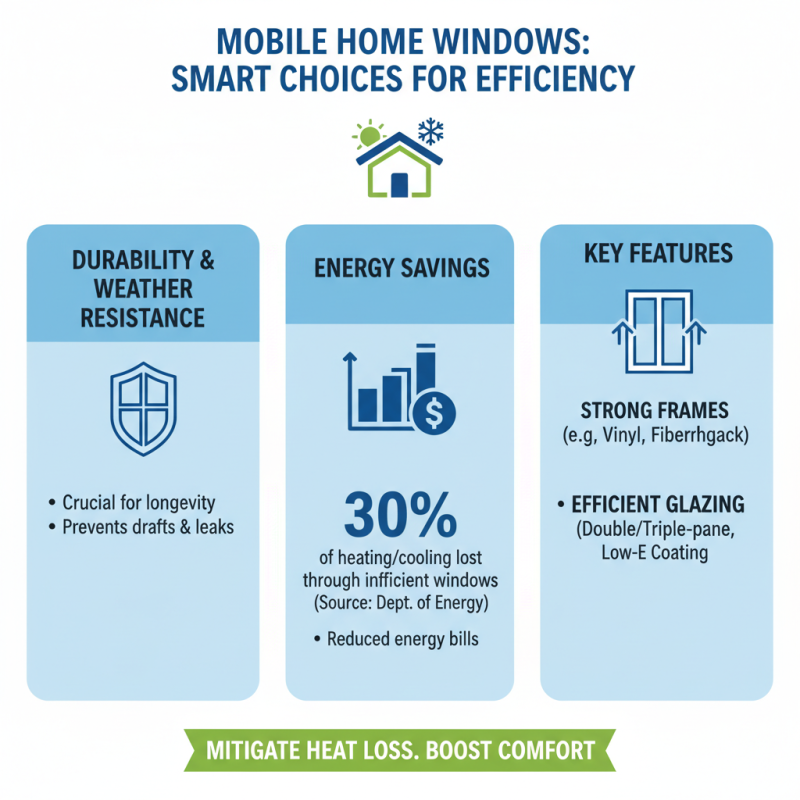
When choosing mobile home windows, assessing durability and weather resistance is crucial. Poor quality windows can lead to increased energy costs. Research from the Department of Energy shows that up to 30% of a home’s heating and cooling costs can be attributed to inefficient windows. Selecting windows with strong frames and glazing can mitigate heat loss.
Look for materials that can withstand harsh conditions. Vinyl windows, for example, have excellent durability and resistance to moisture. Windows should also have a high R-value, which measures insulation effectiveness. A recent industry report indicated that windows with an R-value of 4 or higher significantly reduce energy bills.
In some areas, windows are exposed to extreme weather and sunlight. This can deteriorate frames quickly. Air leaks can lead to uncomfortable indoor environments. Conducting an energy audit can reveal hidden leaks. Not all windows perform equally in severe conditions, and it’s important to reconsider previous assessments if problems arise.
Choosing the Right Window Size and Style for Your Mobile Home
When selecting windows for your mobile home, size and style are crucial. First, consider the dimensions of your current window frames. Accurate measurements can prevent costly mistakes. A common error is assuming all homes have standard window sizes. Measure twice, and check for irregularities. If your mobile home is older, you may find that window sizes vary significantly.
Next, think about the style of windows that fits your needs. Sliding windows are practical and easy to open, while picture windows offer a beautiful view but do not open. Casement windows can provide better ventilation, yet require more maintenance. Choosing the right frame color can also enhance your home’s exterior. Lighter colors may brighten a small space, while darker tones can add character.
It’s also important to reflect on energy efficiency. Double-pane windows are great for insulation but can be more expensive. Think about your budget and how long you plan to stay in your home. Will the investment pay off? This consideration often leads to re-evaluation of choices. Finding the perfect balance between aesthetics and functionality takes time. Choose wisely, and your mobile home can shine.
How to Choose the Best Mobile Home Windows for Your Needs?
This chart illustrates the popularity of different window styles typically chosen for mobile homes. Understanding these preferences can help you make an informed decision when selecting windows that best fit your needs.
Budget Considerations and Installation Options for Mobile Home Windows
When selecting windows for your mobile home, budget is crucial. According to a recent industry report, average window replacement costs range from $300 to $700 each. This price can vary based on materials and styles. Vinyl windows, known for their durability and low maintenance, often lead the market. However, they typically come with a higher price tag compared to aluminum models.
Installation options also play a vital role in budgeting. DIY installation can save costs but requires skill and time. Professionals often charge $100 to $150 per hour. Hiring experts may add up quickly but can ensure proper fit and performance. Some homeowners report frustration with DIY attempts that lead to leaks or poor insulation. This may inflate future replacement costs.
Energy-efficient windows might demand a higher initial investment but could reduce utility bills long-term. Many disregard this potential savings when making choices. Still, these windows can return 70% to 80% of their cost upon resale, proving their value beyond immediate expenses. Therefore, evaluating both upfront costs and potential long-term savings is essential in your decision-making process.