How to Choose the Best Windows for Your Home Environment
Choosing the right windows for home can significantly enhance not only the aesthetics of your living space but also its energy efficiency and overall comfort.
According to the latest report from the National Fenestration Rating Council (NFRC), windows can account for up to 30% of a home's energy loss, making their selection crucial for homeowners looking to reduce heating and cooling costs.
Moreover, a 2021 study by the Department of Energy found that high-performance windows can decrease energy bills by as much as 15-25%.
As the market for energy-efficient windows continues to grow, it is essential to consider factors such as materials, insulation properties, and design styles to ensure you select the best windows for home that meet your specific needs and preferences.
Understanding these aspects will not only improve your living environment but also contribute to long-term savings and sustainability.
Understanding Different Types of Windows and Their Benefits
When selecting windows for your home environment, it's essential to understand the various types available and their unique benefits. Traditional double-hung windows are popular for their classic aesthetic and excellent ventilation options, allowing you to easily open both the top and bottom sashes. Casement windows, hinged at the side, offer unobstructed views and superior energy efficiency, making them ideal for hard-to-reach areas. Additionally, picture windows provide expansive views and natural light, serving as a beautiful focal point in your home while remaining fixed and non-operable.
In recent developments, window technology has also seen significant advancements, enhancing their functionality and security. For instance, modern windows often come with improved insulation properties that contribute to decreased energy bills. Moreover, enhanced security features are now commonplace, allowing homeowners to protect against potential break-ins while enjoying natural light and views. Understanding these benefits can help you make informed decisions, ensuring the windows you choose complement both your lifestyle and your home’s architectural style.
How to Choose the Best Windows for Your Home Environment - Understanding Different Types of Windows and Their Benefits
| Window Type |
Material |
Energy Efficiency |
Maintenance Level |
Average Lifespan |
| Double-Hung |
Vinyl |
High |
Low |
30 years |
| Casement |
Fiberglass |
Very High |
Medium |
40 years |
| Sliding |
Aluminum |
Moderate |
High |
20 years |
| Bow and Bay |
Wood |
Moderate |
High |
25 years |
| Fixed |
Vinyl |
High |
Low |
30 years |
Evaluating Energy Efficiency Ratings for Home Windows
When selecting windows for your home, understanding energy efficiency ratings is crucial, particularly with the recent changes in EPCs. These changes, introduced to help manage soaring costs for landlords, highlight the importance of evaluating the energy efficiency of residential windows. A well-rated window can significantly reduce heating and cooling expenses, contributing to overall energy savings and comfort. According to recent assessments, homes equipped with energy-efficient windows can see energy consumption reductions of up to 30%, making it essential to choose windows that meet high performance criteria.
In addition, the latest research emphasized the variance in energy-star ratings. While a seven-star rating is often seen as a benchmark for energy efficiency, not all homes meet the expectations set by these ratings. Homeowners are encouraged to conduct regular home energy assessments, as these audits provide insights into how well their windows perform in maintaining indoor air quality and thermal comfort. By investing in windows that have been rigorously evaluated for performance, homeowners can ensure they are not only enhancing aesthetics but also maximizing energy savings throughout colder months.
Choosing the Right Window Materials for Your Climate
When selecting window materials for your home, it's crucial to consider the specific climate of your region. Different materials offer varying levels of insulation, durability, and maintenance requirements. For instance, in areas with extreme temperatures—whether hot or cold—vinyl and fiberglass frames are often recommended due to their superior insulating properties. They can help maintain a stable indoor temperature, which reduces energy costs and enhances comfort.
On the other hand, in coastal regions with high humidity and salt exposure, materials like aluminum might be a better choice. Modern aluminum frames often come with protective coatings that resist corrosion, making them suitable for environments where moisture is prevalent. Additionally, wood frames can offer aesthetic appeal and traditional charm, but they require more maintenance and may not perform as well in extreme weather unless properly treated. By carefully assessing your local climate and choosing the most appropriate window materials, you can enhance the efficiency and longevity of your home’s windows.
Assessing Aesthetic Options to Match Your Home's Style
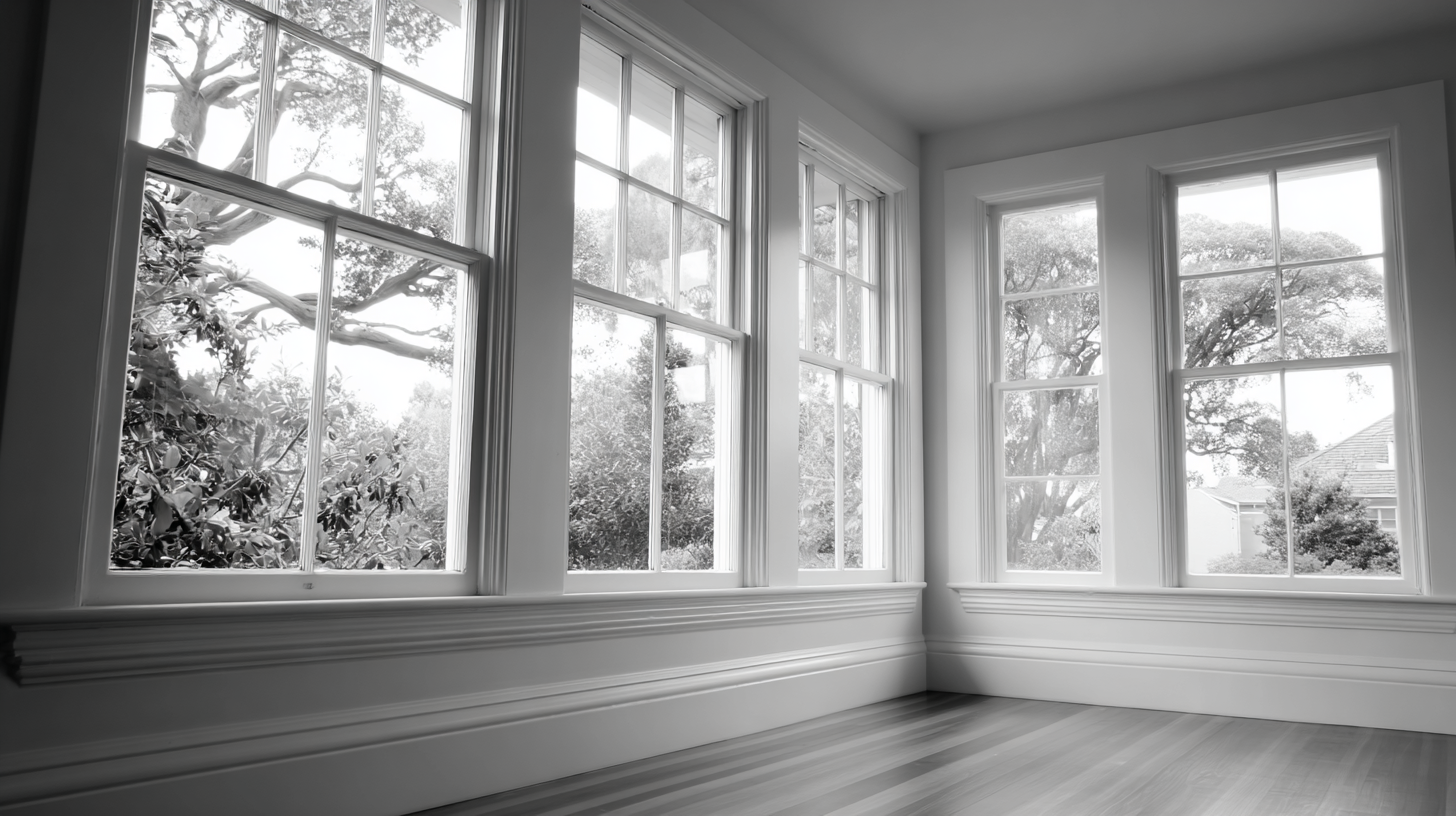
Choosing the right windows for your home is an essential decision that blends functionality with aesthetic appeal. When assessing aesthetic options, it’s crucial to consider the architectural style of your home. For instance, traditional homes may benefit from classic double-hung windows with decorative grilles, while modern designs often favor sleek, minimalist styles with large panes that provide ample natural light. The frame materials, such as wood, vinyl, or aluminum, can also influence the overall look, so select finishes that complement your exterior paint or siding for a cohesive appearance.
Furthermore, the color scheme of your windows plays a significant role in enhancing your home’s character. Neutral shades like white or beige offer a timeless feel, yet bold colors can serve as a stylish statement piece. Additionally, consider the shape of the windows; arched or bay windows can add elegance and uniqueness, breaking up the monotony of flat walls. Ultimately, each choice should reflect personal taste while harmonizing with the overall design, creating an inviting and beautiful environment that enhances the charm of your home.
How to Choose the Best Windows for Your Home Environment
This chart illustrates the importance levels of various factors to consider when choosing windows for your home. Energy efficiency ranks highest in importance, followed by noise reduction and aesthetic appeal, suggesting homeowners should prioritize these elements in their decision-making process.
Considering Installation and Maintenance Factors for Longevity
When selecting the best windows for your home environment, it’s crucial to consider not only aesthetics and energy efficiency but also the installation and maintenance factors that contribute to their longevity. Proper installation is paramount; poorly installed windows can lead to air leaks, water intrusion, and other structural issues. Hiring professional installers who are experienced with your chosen window type can ensure a tight fit and proper sealing, significantly enhancing performance. Additionally, understanding the manufacturer's guidelines for installation can help mitigate potential problems.
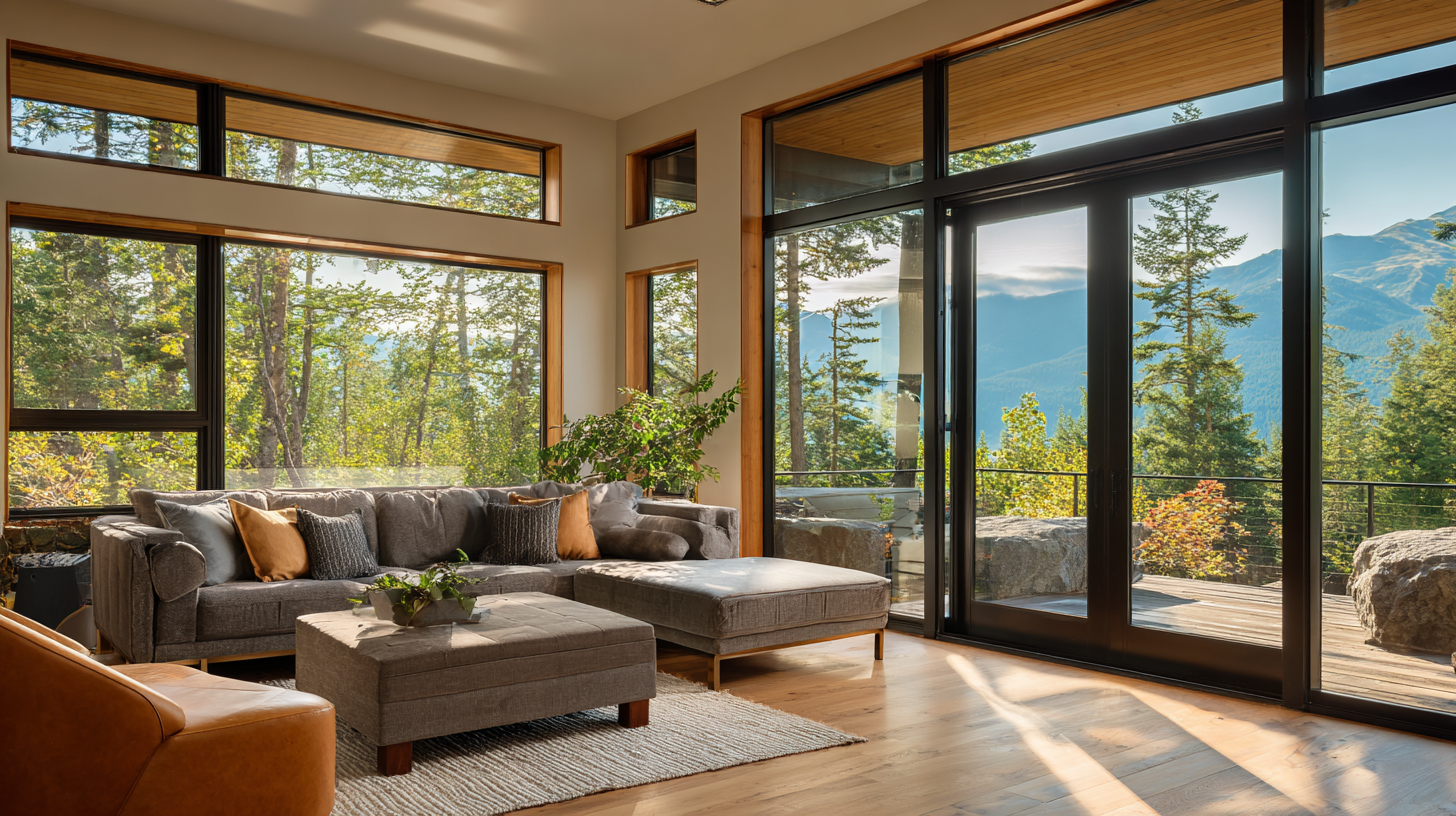
Maintenance plays a vital role in preserving the lifespan of your windows. Different materials require different care; for instance, vinyl windows typically need less upkeep than wood windows, which may need regular painting or staining to prevent decay. Regular cleaning and inspection can identify issues such as condensation buildup or damaged seals early on, preventing more extensive repairs later. By considering these installation and maintenance factors, you will not only enhance the durability of your windows but also ensure they continue to meet your home's needs efficiently over time.