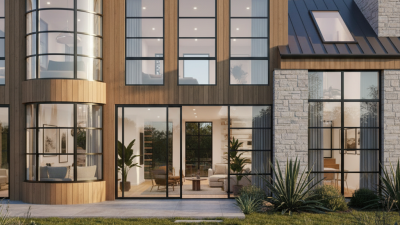
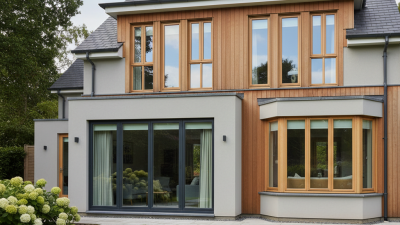
How to Choose the Best Windows for Your Home or Business?
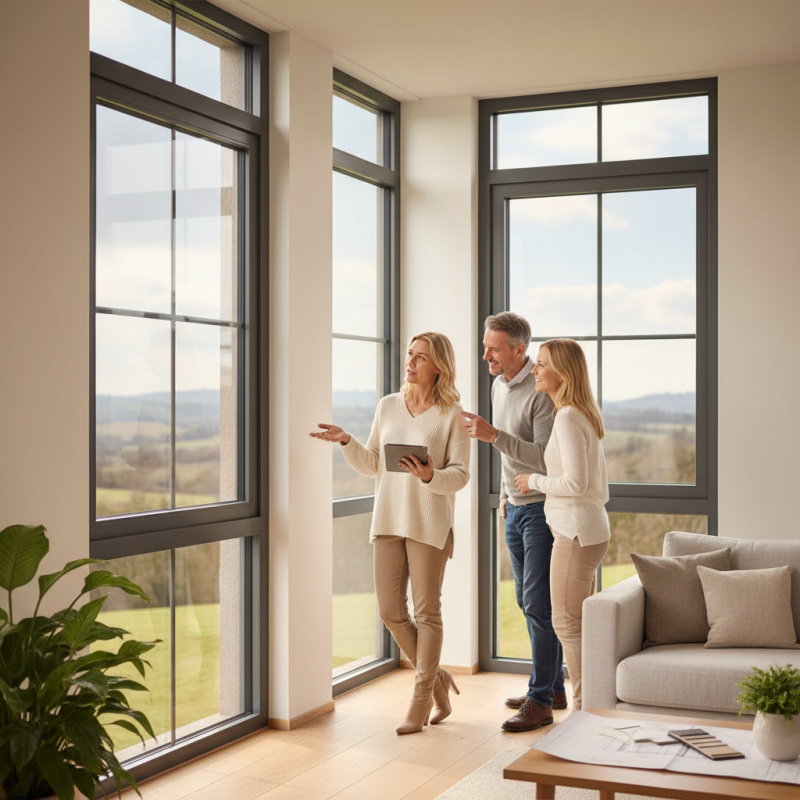
Choosing the right windows for your home or business can be a daunting task. With a multitude of options available, how do you ensure you select the best windows? According to Emily Carter, an expert in the window industry, “Investing in the best windows significantly enhances energy efficiency and aesthetic appeal.”
When considering the best windows, reflect on factors such as durability, cost, and design. Every choice you make should align with your specific needs. Think about the climate in your area. If you live in a place with harsh winters, insulating properties are crucial.
However, many people rush into decisions. They overlook vital aspects like local building codes or energy ratings. The best windows require careful consideration, not just attractive pricing. It's essential to take your time and weigh your options thoroughly. Make sure that the windows you choose balance quality, efficiency, and visual charm.
Understanding Window Types: A Comprehensive Overview for Selection
When it comes to selecting windows, understanding the various types is essential. There are single-hung and double-hung windows. Single-hung windows have one movable sash. They are more affordable, yet offer limited ventilation. Double-hung windows allow both sashes to open. This feature can improve airflow in your space.
Casement windows are another option. They open outward, providing a wider view and better ventilation. However, they require clearance outside, which isn’t available in tight spaces. Awning windows, which hinge at the top, are ideal for rainy areas. They keep water out while allowing airflow.
Every window type has pros and cons. It’s crucial to reflect on your needs. Consider energy efficiency versus aesthetics. What matters more to you? Choosing windows isn’t a straightforward task. It requires a careful evaluation of preferences and environment. Each decision can impact comfort and style in your home or business.
How to Choose the Best Windows for Your Home or Business? - Understanding Window Types: A Comprehensive Overview for Selection
| Window Type |
Material |
Energy Efficiency |
Maintenance |
Cost Range (Per Window) |
| Single-Hung |
Vinyl, Wood, Aluminum |
Moderate |
Low |
$150 - $400 |
| Double-Hung |
Vinyl, Wood, Aluminum |
High |
Medium |
$300 - $600 |
| Casement |
Vinyl, Wood, Fiberglass |
High |
Low |
$250 - $700 |
| Sliding |
Vinyl, Wood, Aluminum |
Moderate |
Medium |
$200 - $500 |
| Bay & Bow |
Vinyl, Wood |
High |
High |
$500 - $1,200 |
Evaluating Energy Efficiency Ratings: How to Optimize Performance
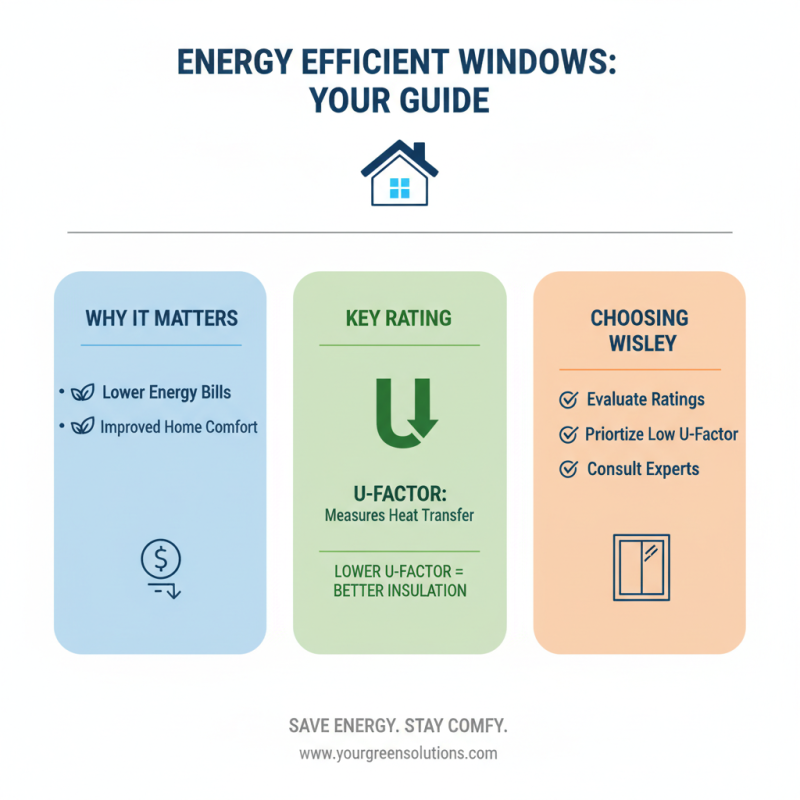
When choosing windows, energy efficiency is crucial. You want to evaluate the energy efficiency ratings carefully. These ratings can guide you in selecting the best windows. Look for the U-factor, which measures heat transfer. A lower U-factor means better insulation. This can directly impact your energy bills and comfort.
Next, consider the Solar Heat Gain Coefficient (SHGC). This rating indicates how much heat from the sun enters through the glass. If you live in a sunny area, a lower SHGC might help keep your space cooler. However, it may block some natural sunlight. This balance is often overlooked but essential for comfort.
Another factor to think about is the Visible Transmittance (VT). This rating measures the amount of light that enters. Higher VT values allow more daylight in. Yet, they might also increase heat gain. Finding that perfect balance is key. Remember that good energy-efficient windows must fit your lifestyle and needs. Reflect on what aspects matter most to you.
Assessing Material Durability: A Key Factor in Window Longevity
When selecting windows, material durability is crucial. High-quality materials can enhance window longevity significantly. According to a report by the American Architectural Manufacturers Association, windows made from fiberglass last 38% longer than those composed of vinyl. This increase in durability means fewer replacements over time.
It's essential to consider the environment where windows will be installed. For instance, wooden windows can be beautiful but may require more upkeep. Statistics show that untreated wood windows can rot in just seven years in humid areas. Meanwhile, aluminum frames offer durability and low maintenance, lasting up to 40 years with the right treatment. However, they can suffer from thermal conductivity issues, which may lead to energy inefficiency.
Investing in windows with sturdy materials encourages long-term savings. A study by the National Fenestration Rating Council indicates that energy-efficient windows can save over $500 a year in heating and cooling costs. However, not all energy-efficient models ensure the best performance in every climate. Relying solely on energy ratings without understanding local conditions may lead to dissatisfaction.
Analyzing Cost vs. Benefits: Making an Informed Financial Decision
When selecting windows, analyzing cost versus benefits is crucial. Windows significantly impact energy efficiency. According to the U.S. Department of Energy, switching to energy-efficient windows can save homeowners
up to 30% on energy bills. However, the initial investment may seem high to some. Evaluating long-term savings is essential.
Tip: Assess local climate conditions. In colder areas, windows with good insulation will lower heating costs. In contrast, homes in warm climates need windows that reduce heat gain.
Consider durability and maintenance. Cheaper windows may require frequent repairs. A study by the National Association of Realtors indicates that durable windows often provide better value over time.
Reflect on how often you plan to replace them; savings could diminish if replacements are frequent.
Tip: Prioritize quality over price. Investing a bit more now may prevent future costs. It's not just about the look; think about energy efficiency and maintenance. Balancing these factors helps in making an informed decision.
Customizing Windows for Aesthetic and Functional Needs in Design
When selecting windows for your home or business, aesthetics and functionality matter greatly. Consider your architectural style. Traditional designs may benefit from classic double-hung windows. Modern spaces often favor sleek, minimalist options. The right colors and finishes can enhance the overall look. If you choose something too bold, it may clash with your theme. Reflect on what truly fits your space.
Functionality cannot be overlooked. Think about energy efficiency. Good windows can lower your bills and improve comfort. Poor insulation could lead to drafts. Balancing beauty with practical needs is tricky. You might get a window that looks great but doesn’t open easily. Another common flaw is poor installation, which can lead to leaks or condensation. Each choice you make should be mindful and intentional. Enjoy the process, but reflect on each decision carefully.