Why Choosing the Right Windows is Essential for Your Home Improvement Project
When embarking on a home improvement project, one of the most critical decisions you will face is the selection of the right windows. Windows are not merely functional elements of a home; they play a vital role in enhancing energy efficiency, improving aesthetics, and ensuring security. Choosing the right windows can significantly influence the overall comfort and appeal of your living space. As you evaluate various options, it’s essential to recognize how the right windows contribute to your long-term investment, reduce energy costs, and elevate the ambiance of your home.
Moreover, the right windows can seamlessly integrate with your home's architectural style, offering both modern and traditional designs to suit your preferences. They can improve natural lighting and ventilation while also providing sound insulation, creating a more enjoyable living environment. The selection process should consider factors such as material, style, and functionality, which all play pivotal roles in achieving the desired outcome. This careful consideration will not only enhance your home’s visual appeal but also contribute to its value, making the decision-making process even more critical. Ultimately, understanding the importance of the right windows in your improvement project is essential for ensuring a rewarding renovation experience.
Understanding the Importance of Windows in Home Improvement
When it comes to home improvement projects, the importance of selecting the right windows cannot be overstated. Windows serve multiple functions that go beyond mere aesthetics; they play a vital role in energy efficiency, security, and overall comfort within the home. According to the U.S. Department of Energy, up to 30% of a home's heating and cooling energy can be lost through inefficient windows. By choosing windows with high energy efficiency ratings, homeowners can significantly reduce their energy bills while contributing to a lower carbon footprint.
Furthermore, windows are key to enhancing natural light and ventilation, crucial factors in creating a healthy living environment. A study published by the National Association of Home Builders indicates that houses with abundant natural light are more attractive to buyers and can command a higher market price. Moreover, energy-efficient windows can improve indoor air quality by allowing for better airflow and reducing moisture buildup, which can prevent issues such as mold and mildew. With these benefits, it becomes clear that choosing the right windows not only enhances the appeal of a home but also provides long-term financial advantages and health benefits for occupants.
Factors to Consider When Selecting Windows for Your Home
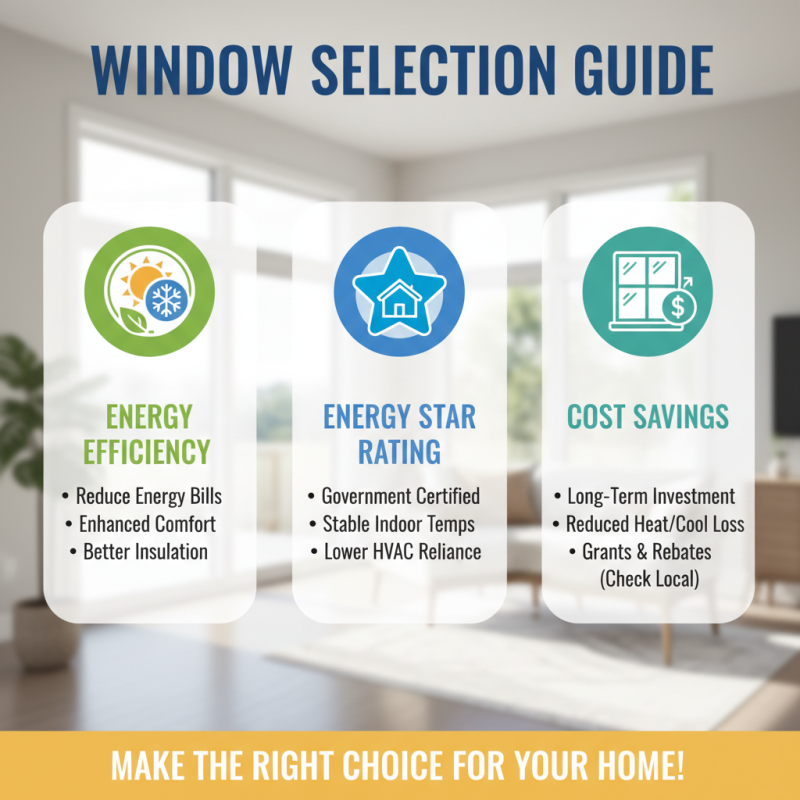
When selecting windows for your home improvement project, several factors must be taken into account to ensure you make the right choice. First and foremost, consider the energy efficiency of the windows. Many modern windows are designed with better insulation properties, which can significantly reduce your energy bills while enhancing comfort in your home. Look for windows with a good Energy Star rating, as these will help maintain stable indoor temperatures and reduce your reliance on heating and cooling systems.
Another crucial aspect to consider is the material of the windows. Different materials, such as vinyl, wood, and aluminum, come with varying levels of durability, maintenance requirements, and aesthetic appeal. For instance, while wood windows offer a classic look, they may require more upkeep compared to vinyl options, which are often more resistant to weather conditions. Additionally, consider factors such as the window style and size, which should complement the architectural design of your home while allowing for ample natural light and ventilation. Taking the time to evaluate these elements will ensure that the windows you choose enhance both the functionality and beauty of your home.
Types of Windows and Their Impact on Energy Efficiency
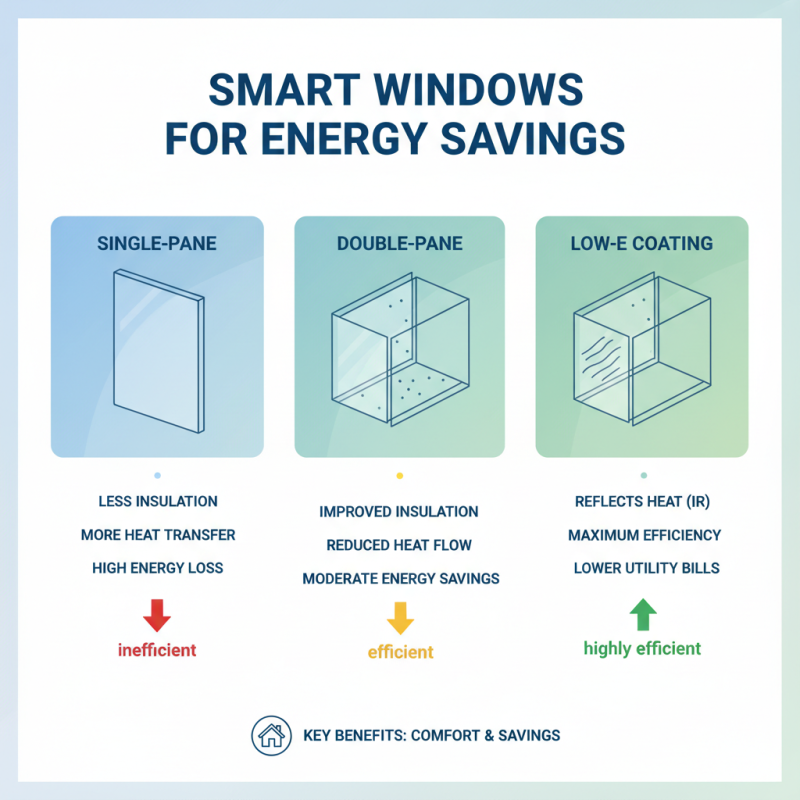
When embarking on a home improvement project, selecting the right windows is a critical decision that can profoundly impact energy efficiency. Different types of windows offer varying levels of insulation, air sealing, and solar gain, which directly influence heating and cooling costs. For instance, double-pane windows provide significant advantages over single-pane variants by trapping air between the layers, thus reducing heat transfer and enhancing insulation. Additionally, high-performance glazing options, such as low-emissivity (low-E) coatings, can keep your home cooler in the summer and warmer in the winter by reflecting infrared light and lowering energy expenses.
Another notable consideration is the window frame material, which can also affect energy efficiency. Vinyl and fiberglass frames, for example, tend to offer better thermal performance compared to aluminum frames. This is because vinyl and fiberglass have lower thermal conductivity, which minimizes the amount of heat or cold that escapes your home. Selecting windows with proper sealing mechanisms and energy-efficient frames not only contributes to a comfortable living environment but can also lead to significant long-term savings on energy bills. In conclusion, understanding the types of windows available and their specific features can help homeowners make informed choices that enhance energy efficiency and overall comfort.
How Window Quality Affects Home Aesthetics and Value
When it comes to home improvement projects, selecting the right windows is crucial not only for functionality but also for enhancing the overall aesthetics and value of your property. According to a report by the National Association of Realtors, windows ranked among the top ten home improvement projects that yield the highest return on investment, with some homeowners recouping up to 70% of the installation costs upon resale. Quality windows significantly improve the curb appeal of a home, influencing potential buyers' perceptions and willingness to pay a premium for a well-maintained property.
Investing in high-quality windows can also lead to long-term energy savings, which further enhances a home's value. The U.S. Department of Energy states that energy-efficient windows can reduce energy bills by up to 15%. This not only contributes to a lower environmental impact but also makes your home more appealing to environmentally conscious buyers. Implementing sustainable window options aligns with current market trends, as many buyers are looking for energy-efficient features that promote long-term savings.
Tips: When selecting windows, look for those with low U-factor and solar heat gain coefficients to maximize energy efficiency. Additionally, consider styles that complement your home’s architectural features to enhance its appeal. Lastly, consultation with experienced professionals can provide insights into the latest window technologies and designs suitable for your specific needs.
Long-term Benefits of Investing in the Right Windows
Investing in the right windows for your home improvement project can yield significant long-term benefits that extend far beyond aesthetic appeal. Quality windows play a crucial role in enhancing energy efficiency, which can lead to substantial savings on energy bills over time. By selecting windows with superior insulation properties, homeowners can significantly reduce heating and cooling costs, maintaining a comfortable indoor environment while minimizing their carbon footprint. This reduction in energy consumption not only benefits individual households financially but also contributes positively to environmental sustainability.
In addition to energy savings, the right windows can enhance the overall value of a home. Upgraded windows often improve curb appeal, making a property more attractive to potential buyers. Furthermore, higher-quality windows are typically more durable and require less maintenance over time, saving homeowners both time and money in repairs or replacements. This durability is especially critical in areas prone to extreme weather conditions, where resilient windows can protect against damage and ensure longevity. Ultimately, investing in the right windows is not merely a superficial upgrade; it is a strategic decision that offers enduring advantages, both financially and functionally, for your home.
Why Choosing the Right Windows is Essential for Your Home Improvement Project - Long-term Benefits of Investing in the Right Windows
| Window Type |
Energy Efficiency Rating |
Average Cost (per window) |
Long-term Benefits |
Estimated Lifespan |
| Vinyl Windows |
A |
$300 |
Low maintenance, good insulation |
30 years |
| Wood Windows |
B |
$500 |
Aesthetically pleasing, good insulators |
20 years |
| Fiberglass Windows |
A+ |
$700 |
Highest durability, excellent thermal performance |
40 years |
| Aluminum Windows |
C |
$400 |
Lightweight, strong material |
25 years |
| Composite Windows |
A |
$600 |
Resistant to warping, good insulation |
30 years |