Top Tips for Choosing the Right Windows for Your Home Upgrade
Choosing the right windows for your home upgrade is a decision that can significantly impact both the aesthetic appeal and energy efficiency of your living space. Windows play a pivotal role in enhancing your home's character while also providing essential insulation and natural light. With numerous styles, materials, and functionalities available in the market, selecting the right windows requires careful consideration of various factors that align with your home’s architecture and your personal preferences.
The right windows not only elevate the overall look of your home but also contribute to long-term savings on energy bills and maintenance. Understanding the specifics of window types—such as double-hung, casement, or sliding windows—and their unique features is crucial for making an informed choice. Additionally, considerations like climate, local building codes, and your home’s orientation will play a vital role in identifying the right fit. By thoroughly exploring these aspects, you can ensure that your investment not only meets your aesthetic goals but also stands the test of time in terms of functionality and efficiency.
Understanding Different Window Types for Home Upgrades
When upgrading your home, selecting the right window type is crucial for both aesthetic appeal and energy efficiency. According to the U.S. Department of Energy, windows account for approximately 25-30% of residential heating and cooling energy use. Understanding the different types of windows available can significantly impact your home's comfort and energy consumption.
There are several window styles to consider, each offering unique benefits. Double-hung windows, for example, allow for excellent ventilation and easy cleaning, as both sashes can be opened. On the other hand, casement windows are praised for their superior airtight seal, which can lead to better energy efficiency—studies suggest they can outperform other styles by reducing air leakage by up to 15%. Additionally, materials play a significant role in window performance; vinyl and fiberglass options are increasingly popular due to their durability and low maintenance, while wooden frames provide a classic look but may require more upkeep. Selecting the right combination of window type and material can ultimately enhance your home's energy performance and aesthetic, making it a worthwhile investment.
Evaluating Energy Efficiency Ratings of Windows
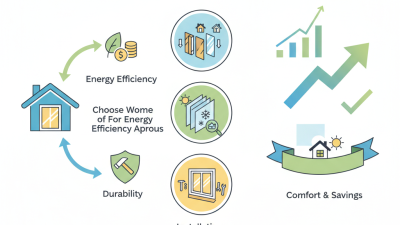
When upgrading your home's windows, evaluating energy efficiency ratings is crucial in achieving a comfortable and cost-effective living environment. Energy-efficient windows can significantly impact your home's heating and cooling needs, leading to lower energy bills and a reduced carbon footprint. To assess the energy efficiency of windows, look for the National Fenestration Rating Council (NFRC) label, which provides essential data such as U-factor, Solar Heat Gain Coefficient (SHGC), and Visible Transmittance (VT). Each rating gives insight into how well the window insulates, how effectively it controls solar heat, and how much natural light it allows into your home.
Understanding these ratings can guide you in selecting the best windows for your specific climate and lifestyle. For instance, a lower U-factor indicates better insulation, which is beneficial in areas with extreme temperatures. Conversely, a high SHGC may be advantageous in regions with colder climates, as it allows more solar heat to enter. By carefully comparing these ratings, you can ensure that your home upgrade enhances energy efficiency, comfort, and savings over time. Choosing the right windows not only fulfills immediate aesthetic and functional needs but also represents a long-term investment in energy conservation for your home.
Considerations for Window Materials and Durability
When upgrading your home, the choice of window materials plays a crucial role in both aesthetics and functionality. Common materials include wood, vinyl, fiberglass, and aluminum, each offering unique benefits and drawbacks. Wood windows provide a classic look and excellent insulation but require regular maintenance to prevent rot and damage from moisture. Vinyl windows, on the other hand, are low-maintenance and energy-efficient but can be limited in color options. Understanding these characteristics can help you select the right material that aligns with your preferences and the overall design of your home.
Durability is another key consideration when selecting windows. The right material should withstand environmental elements such as fluctuating temperatures, UV exposure, and moisture. Fiberglass windows are renowned for their strength and resistance to warping, making them an ideal choice for extreme weather conditions. In coastal areas, corrosion-resistant materials like vinyl or aluminum may be more suitable to combat salt exposure. By prioritizing durability, you ensure that your investment will provide long-term benefits, reduce maintenance costs, and enhance the overall safety and comfort of your living space.
Assessing Aesthetic Design and Architectural Compatibility
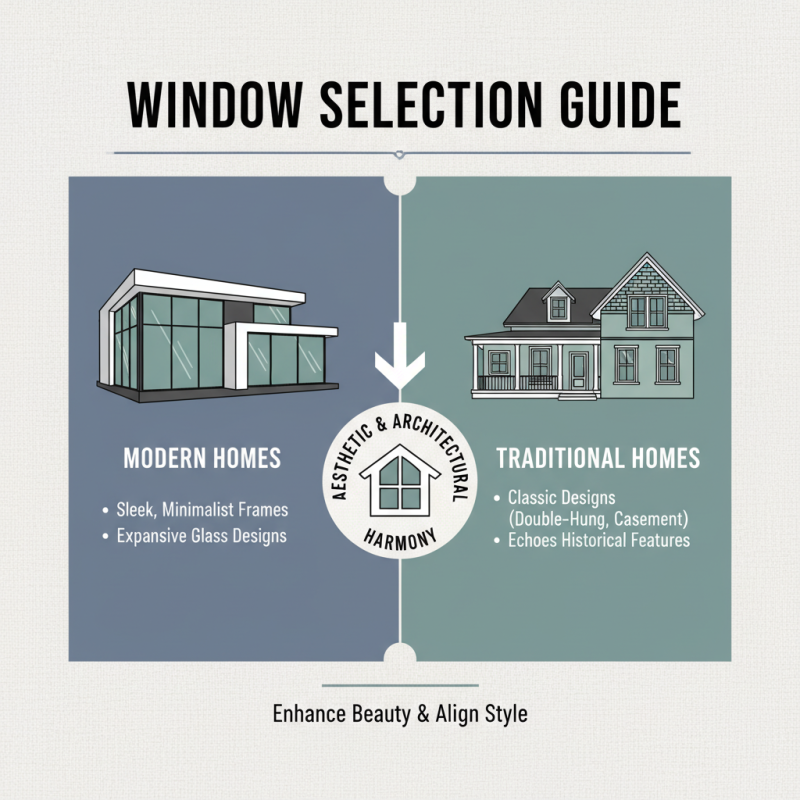
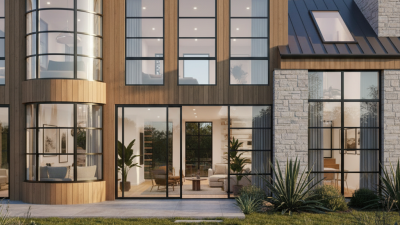
When selecting windows for a home upgrade, evaluating aesthetic design and architectural compatibility is crucial. The windows you choose should not only enhance the beauty of your home but also align with its overall architectural style. For instance, modern homes often benefit from sleek, minimalist frames and expansive glass designs that allow natural light to flood in, while traditional homes may be better suited to windows with classic designs such as double-hung or casement styles that echo their historical features.
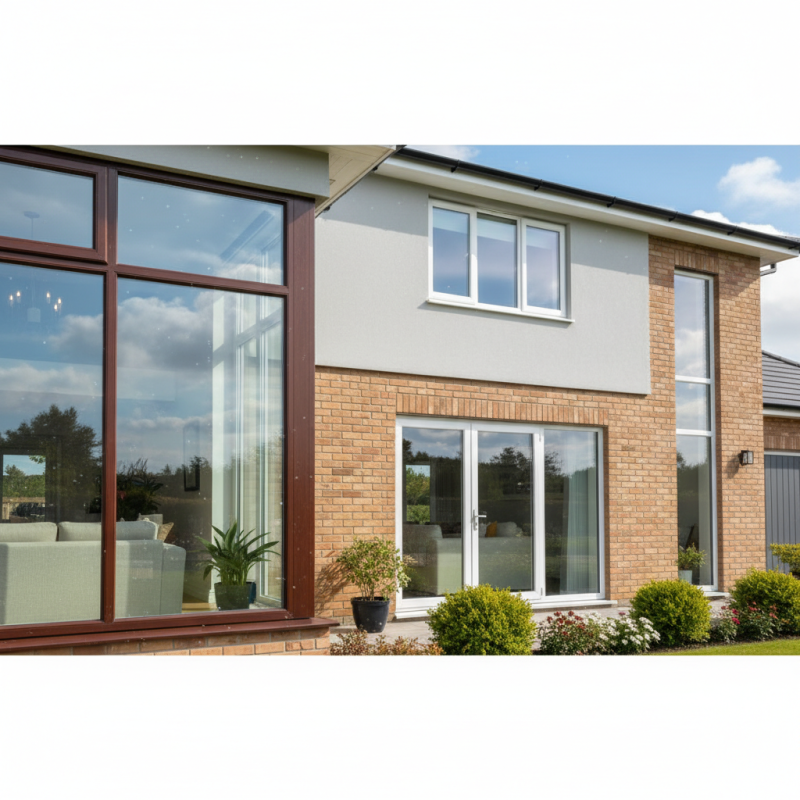
Moreover, consider the materials used in your window selection. An architectural style grounded in natural elements might call for wooden frames, while a contemporary design could favor aluminum or vinyl for their clean lines and durability. The color and finish of the windows should also complement the external palette of your home, creating a cohesive look that ties together the design elements. By prioritizing these aspects, you can ensure that your windows become a harmonious part of your home's aesthetic, contributing to both its charm and value.
Budgeting for Your Window Replacement Project
When considering a window replacement project, budgeting is a critical factor that can significantly impact the overall success of your home upgrade. According to the
"2022 Cost vs. Value Report" by Remodeling Magazine, homeowners typically spend between
$300 and $1,200 per window, depending on the material, style, and energy efficiency features. This range highlights the importance of establishing a clear budget from the outset to avoid unexpected expenses and to ensure that your choices align with your financial capacity.
It's essential to consider not just the initial cost of the windows themselves, but also additional expenses such as installation, permits, and potential modifications to existing structures. The National Association of Realtors data indicates that window replacement can yield around
72% return on investment, making it one of the more valuable upgrades homeowners can make. Therefore, setting aside a budget that encompasses both products and labor can help to maximize your return while ensuring that you invest in quality windows that enhance your home's value and energy efficiency. By planning appropriately and consulting with professionals, you can navigate the complexities of pricing and selections, ultimately transforming your home according to your vision and budgetary constraints.