10 Essential Tips for Choosing Mobile Home Windows
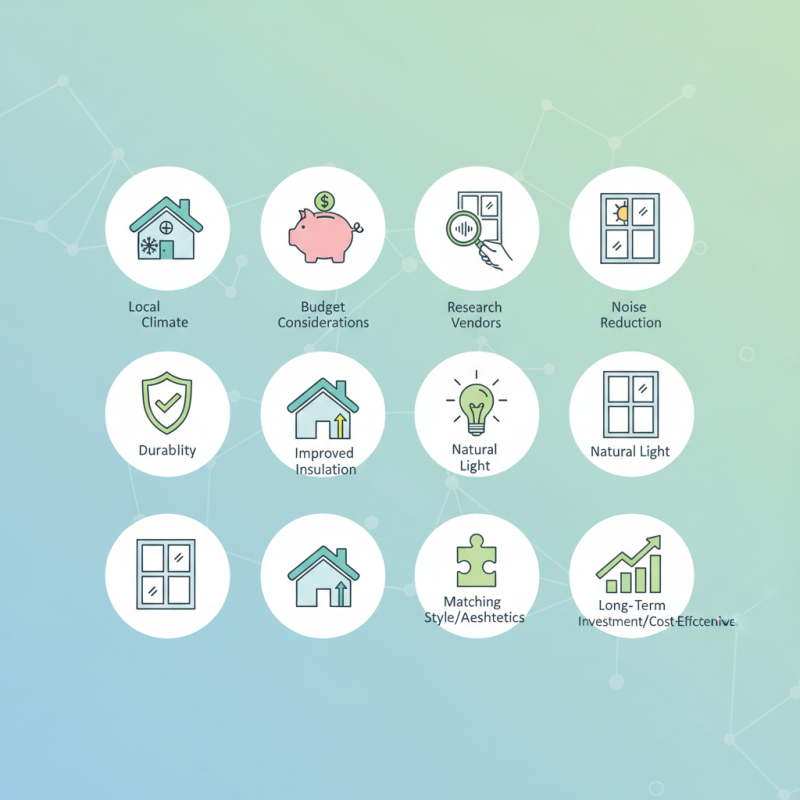
Choosing the right mobile home windows is crucial for your home’s comfort and energy efficiency. With the right windows, you can enhance the appearance and functionality of your space. Good windows can improve insulation, reduce noise, and bring in natural light. The market offers a variety of styles and materials, which can be overwhelming.
It’s vital to consider factors like energy ratings and durability. Not all mobile home windows are created equal. You might find lower-quality options that look appealing but provide little in terms of reliability. Think about your local climate as well. In colder areas, you may need windows that provide better insulation.
Before making a choice, reflect on your needs and budget. What works for one mobile home owner may not suit another. Take your time to research your options. Explore various vendors and their reliability. Your choices should reflect both quality and cost-effectiveness. Investing in the right mobile home windows can pay off in the long run.
Key Considerations for Selecting Windows for Mobile Homes
When selecting windows for mobile homes, there are key considerations to keep in mind. The right windows can enhance energy efficiency and improve your home’s aesthetic appeal. You should consider the size and style of your windows. Look for options that blend seamlessly with the overall design of your mobile home.
Energy efficiency is crucial. Windows can contribute to heat loss or gain, impacting your energy bills. Double or triple-pane windows offer better insulation. Ensure that the windows have a good energy rating, which indicates their performance.
Don’t forget the materials. Vinyl is popular for its durability and low maintenance. Aluminum frames are sturdy but can conduct heat. Reflect on how much maintenance you’re willing to perform. Window placement also matters; strategic positioning can maximize natural light and warmth. Balance function with style when making your choice.
Understanding Different Types of Mobile Home Windows
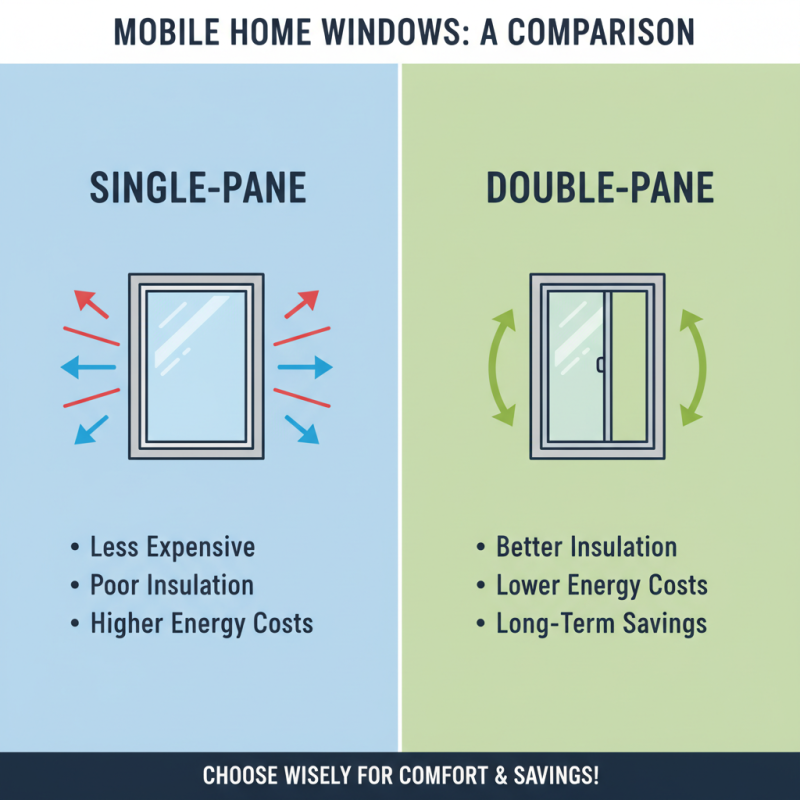
When selecting windows for a mobile home, understanding the various types available is crucial. There are two main categories: single-pane and double-pane windows. Single-pane units are often less expensive, but they offer poor insulation. This can lead to higher energy costs. On the other hand, double-pane windows provide better insulation, reducing heating and cooling demands. They are generally a smarter choice for long-term savings.
Another factor to consider is frame material. Aluminum frames are lightweight and affordable but may not provide optimal insulation. Vinyl frames offer better energy efficiency and are more durable. Wood frames, while aesthetically pleasing, require regular maintenance. Each type has its pros and cons, so weigh your options carefully.
It's also important to assess the installation process. Professional installation ensures optimal sealing, which is vital for energy efficiency. Poor installation can lead to air leaks and moisture issues. Researching local contractors can provide insights into their expertise. Taking the time to choose the right windows can significantly impact comfort and utility costs in the future.
Energy Efficiency Ratings: What You Need to Know
When selecting windows for a mobile home, energy efficiency is paramount. Not all windows are created equal. It’s essential to understand energy efficiency ratings, which are indicated by the National Fenestration Rating Council (NFRC). This rating evaluates windows based on U-factor, Solar Heat Gain Coefficient (SHGC), and Visible Transmittance (VT). Selecting windows with a low U-factor can greatly reduce heating costs in winter.
Consider these tips. Look for windows with double or triple glazing. They enhance insulation and reduce energy loss. Also, check for Energy Star certification. This designation ensures that the window meets strict energy efficiency guidelines. According to the U.S. Department of Energy, energy-efficient windows can save homeowners up to 12% on energy bills.
It’s vital to balance cost and quality. Cheaper options may not provide the same insulation or durability. Research reputable manufacturers and read reviews. Conducting thorough research can prevent costly mistakes later. Energy efficiency impacts not just your wallet but also your comfort. Take your time to make an informed choice.
Materials and Durability: Choosing the Right Window Frame
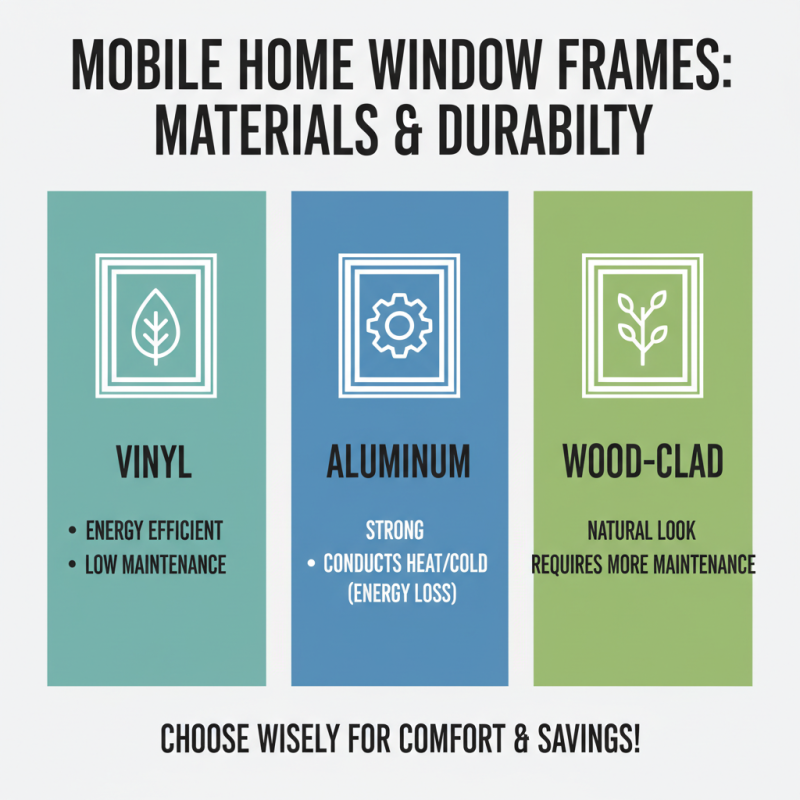
When selecting window frames for mobile homes, materials and durability play crucial roles. Many options are available, such as vinyl, aluminum, and wood-clad frames. Each material brings its own set of advantages and challenges. Vinyl is often favored for its energy efficiency and low maintenance. Aluminum, on the other hand, is strong but can conduct heat and cold, leading to higher energy costs.
Wood-clad frames offer aesthetics but require more upkeep. They can be prone to rot if not protected properly. Consider local climate conditions when choosing. For example, homes in humid areas may need frames resistant to moisture. It’s also essential to assess the installation quality, as poorly installed windows will underperform, regardless of material quality.
Durability does not always correlate with price. Sometimes, high-end frames do not withstand the test of time. Research various materials and read reviews from homeowners to understand real-world durability. Homeowners should also consult with professionals for insights on the best choices for their specific situations. Balancing functionality, appearance, and cost is key. Choose wisely to protect your investment.
Installation Tips for a Perfect Fit in Your Mobile Home
When choosing windows for your mobile home, proper installation is key for achieving a perfect fit. Measure each window frame accurately. Use a tape measure to capture the height and width at multiple points. This ensures you account for any imperfections in the structure. Scrutinizing measurements helps prevent unforeseen issues during installation. Don't rush this step; it can save you time and frustration later.
Consider the material of your windows as well. Vinyl and aluminum are popular choices. Vinyl is durable and energy efficient, while aluminum provides a sleek, modern look. Each material has its own installation quirks. For instance, vinyl windows often require shims to hold them in place. Use a level to check alignment as you position each window. Small errors can lead to bigger problems, such as air leaks or improper sealing.
Keep in mind that while DIY installation can save costs, it requires a certain skill level. If you're uncertain, consult a professional. Their expertise can help you avoid mistakes that could lead to drafts or water leaks. Installation mistakes are common but can be minimized with careful planning and execution.