How to Find the Best Value Windows for Global Buyers?

When buyers compare windows across borders, price is only the visible part. The best value windows must balance thermal performance, durability, installation quality, maintenance, and delivery risk. A cheap frame can become expensive when seals fail in humid weather or replacement parts cross oceans. This guide examines those details through a practical, evidence-based lens.

It considers U-values, solar heat gain, air leakage, glazing type, frame materials, and verified certifications. Numbers matter. However, laboratory results do not guarantee identical performance in every building. Local climate, wall design, workmanship, and ventilation can change the outcome. A window suited to a cold Scandinavian home may perform poorly in a tropical coastal apartment. Condensation, strong sunlight, salt air, and wind exposure deserve careful attention.

Global buyers also need reliable documentation. Look for clear product specifications, test reports, warranty terms, and installation instructions. Independent certification can strengthen confidence, but certification names differ between markets. A respected local installer should confirm compatibility with regional building practices and weather conditions. Ask who handles damaged shipments, missing hardware, and future service before payment. These questions feel ordinary. They prevent costly surprises.

This article compares value beyond the showroom price. It highlights practical trade-offs between vinyl, aluminium, timber, and composite frames. It also questions assumptions that seem convenient, including “higher performance always means better value.” That idea is incomplete. No checklist can predict every building condition, and some supplier claims may require closer verification. Careful comparison remains the safer path for global buyers seeking dependable windows and sensible long-term costs.
How to Find the Best Value Windows for Global Buyers?

Define Your Window Needs, Climate, and Installation Conditions

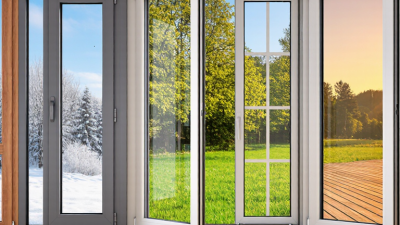
Global buyers should define performance before comparing prices. The U.S. Department of Energy estimates that windows cause 25–30% of residential heating and cooling energy use. This figure varies by house, climate, and behavior. In cold regions, prioritize a low U-factor and verified airtightness. In hot, sunny regions, a lower solar heat gain coefficient can reduce cooling demand. Orientation matters. A west-facing window may need external shading, even with advanced glazing.

Match climate data with room use. Bedrooms may need quiet operation and controlled ventilation. Bathrooms need moisture-resistant frames and easy cleaning. Coastal sites require corrosion-resistant hardware. High-altitude or storm-exposed areas may need tested pressure ratings. The International Energy Agency reports that buildings consume about 30% of global final energy. Small envelope decisions therefore matter at scale. Yet savings are not guaranteed. Poor installation can undermine expensive glass.

Ask for whole-window U-factor, solar heat gain coefficient, visible transmittance, and air-leakage results. Do not compare center-glass values alone. Request drawings showing sill drainage, perimeter sealing, and thermal breaks. Compare delivered performance, warranty terms, replacement parts, and installer experience. The U.S. Department of Energy’s Energy Saver guidance stresses that installation quality is essential. A low-cost frame may become costly after one wet winter. I would allow a small budget for onsite air-leakage testing. It feels excessive. Sometimes it prevents a much larger mistake.

How to Find the Best Value Windows for Global Buyers?

Define Your Window Needs, Climate, and Installation Conditions

This chart compares representative whole-window U-factors for common window configurations. A lower U-factor indicates better resistance to heat transfer and is generally more suitable for cold climates, while warm-climate buyers should also evaluate solar heat gain, ventilation needs, shading, frame materials, and installation quality. Actual performance varies by window size, glazing spacing, frame design, gas fill, and local building requirements.

Compare Window Materials, Designs, and Energy Performance

How to Find the Best Value Windows for Global Buyers?

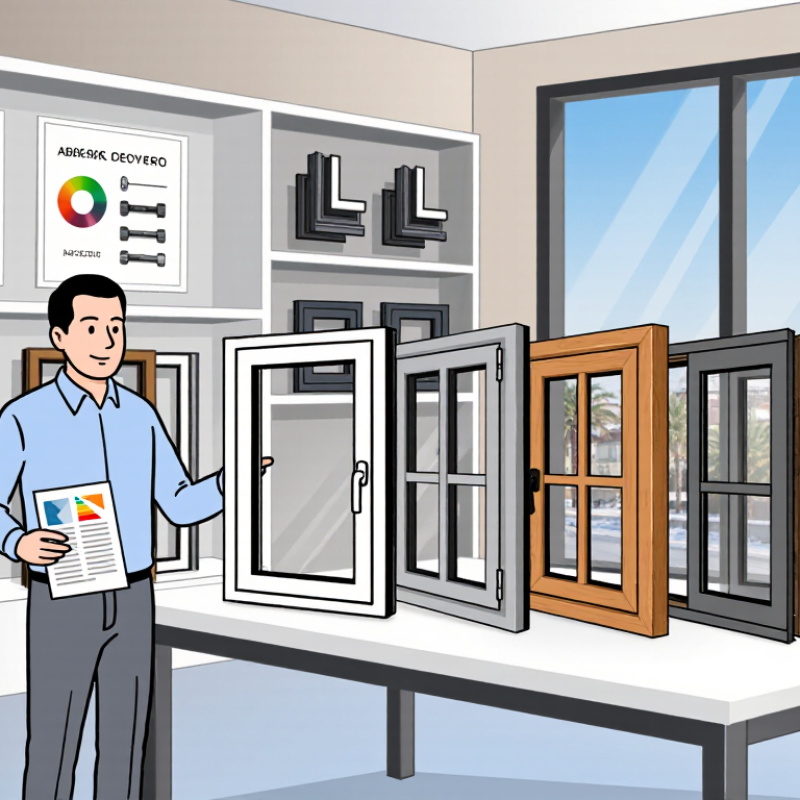
Window value depends on material, design, and energy performance. Vinyl frames usually cost less and resist moisture well. Aluminum frames offer slim profiles but conduct heat quickly without thermal breaks. Timber provides warmth and strong insulation, yet it needs regular surface protection. Composite frames can balance durability and insulation, although prices vary widely.

Glass design matters just as much. Double glazing suits many moderate climates. Triple glazing can reduce heat transfer in colder regions. Low-emissivity coatings help control indoor heat loss and solar gain. The International Energy Agency reports that buildings consume about 30% of global final energy. Better windows can reduce this pressure, but results depend on installation quality and local weather.

Compare U-factor, solar heat gain coefficient, visible transmittance, and air leakage. Lower U-factor usually means better insulation. Higher solar gain may help cold homes but overheat rooms in tropical areas.

The U.S. Department of Energy identifies window replacement as a practical efficiency measure, while ENERGY STAR guidance estimates 7–15% annual energy savings when single-pane windows are replaced with qualified products. Actual savings differ.

I have seen attractive specifications fail because installers left gaps around the frame. A perfect window does not exist. Buyers should compare verified test data, warranty terms, climate conditions, and total lifecycle cost—not only the quoted price.

Assess Total Costs, Lifespan, Maintenance, and Warranty Coverage

The best-value window is rarely the cheapest unit on an invoice. Calculate purchase price, delivery, installation, energy use, repairs, and replacement risk. The U.S. Department of Energy estimates that windows cause 25–30% of residential heating and cooling energy use. A lower U-factor may reduce winter losses, while a suitable solar heat gain coefficient can limit summer cooling demand. Climate matters more than slogans.

Lifespan changes the calculation. The National Association of Home Builders’ Life Expectancy of Home Components report estimates roughly 20–40 years for vinyl windows and about 30 years for wood windows. These figures assume proper installation and reasonable maintenance. Coastal salt, intense sunlight, freezing cycles, and poor drainage can shorten service life. I have seen expensive glazing underperform because installers ignored shading and ventilation. The frame was not the only problem.

Read the warranty before comparing prices. Check coverage for glass seals, hardware, frames, labor, finish, and installation defects. Confirm whether coverage transfers to a future owner and whether overseas claims require local service. ENERGY STAR guidance supports comparing certified performance ratings, but certification does not guarantee perfect installation. A ten-year warranty may sound strong. It may exclude labor, accidental damage, condensation, or coastal corrosion. Ask for written exclusions, estimated maintenance costs, and replacement-part availability. Sometimes the better value is the window with fewer promises and clearer obligations.

Verify Global Standards, Supplier Reliability, and Product Certifications

How to Find the Best Value Windows for Global Buyers?

Buying windows internationally requires more than comparing prices. Standards differ by market, climate, and building type. Check whether the supplier follows relevant requirements for thermal performance, air leakage, water resistance, and wind pressure. Ask for complete test reports, not only certificate images. Verify the issuing laboratory and testing date. A credible document should match the exact window series, glass package, and hardware configuration.

Supplier reliability becomes clearer through evidence. Request factory audit records, production photos, sample labels, and recent export references. Confirm whether the supplier can reproduce the same profile, color, and glazing specification in larger orders. Small details matter. Check packaging methods, replacement procedures, and written warranty terms. I once focused too heavily on unit price and overlooked delivery damage risks. That mistake changed my evaluation process.

Product certifications need careful review. A certificate may apply to one size or one configuration only. Compare the document with local requirements and your project drawings. For example, some markets may recognize EN-based testing, while others require region-specific performance ratings. Independent laboratory verification adds confidence, especially when documents are translated. Ask for traceable report numbers. Be cautious when answers remain vague. Good suppliers respond with measurable data, although even experienced teams can make occasional documentation errors. Verify everything before payment.

How to Find the Best Value Windows for Global Buyers? - Verify Global Standards, Supplier Reliability, and Product Certifications

Evaluation Dimension What to Verify Recognized Standard, Certification, or Evidence Useful Acceptance Benchmark Value Implication for Global Buyers
Product suitability Window type, opening method, glazing configuration, frame material, drainage design, and climate exposure. Technical drawings, bill of materials, installation instructions, and project-specific performance schedule. The design should match local wind, rain, temperature, solar, acoustic, and safety requirements. Avoids paying for unsuitable features or later modifications caused by climate mismatch.
Thermal performance Whole-window U-value, glazing U-value, solar heat-gain coefficient or g-value, and air leakage. EN ISO 10077-1/2, EN 14351-1, NFRC rating procedures, or an equivalent national calculation and testing method. Use the whole-window value rather than glass-only data; lower U-values generally indicate better insulation. A slightly higher purchase price can reduce heating and cooling costs over the service life.
Weather resistance Resistance to wind load, watertightness, and air permeability. EN 12207 for air permeability, EN 12208 for watertightness, and EN 12210 for wind resistance; regional equivalents may also apply. The selected class should be supported by a test report for the same or a larger window size than the ordered unit. Reduces leakage, water damage, callbacks, and replacement costs in severe weather.
Safety and impact resistance Safety glazing, human-impact zones, fall protection, laminated glass, and hardware security. EN 12600 for glass impact classification, EN 356 for resistance to manual attack, or applicable local building regulations. Use safety glass where required by the installation height, occupancy, or local code. Prevents non-compliance, injury risk, and costly site replacement.
Regional market compliance Whether the product can legally enter and be installed in the destination market. Europe: EN 14351-1 with applicable CE documentation; North America: AAMA/WDMA/CSA 101/I.S.2/A440 and NFRC ratings; Australia and New Zealand: AS 2047. Request the exact declaration, label, rating, or certificate for the ordered product configuration. Confirms that a low quoted price will not create customs, permitting, or installation problems.
Glass specification Glass thickness, heat treatment, spacer type, gas fill, low-emissivity coating, and visible transmittance. EN 1279 for insulating glass units, EN 12150 for thermally toughened glass, and EN 14449 for laminated glass. The certificate and test report should identify the same glass build-up, spacer, sealant, and production method as the quotation. Prevents substitution of lower-performing glass after order placement.
Supplier quality system Incoming-material inspection, process controls, traceability, calibration, nonconformance handling, and final inspection. A current ISO 9001 certificate issued for the relevant manufacturing site, supported by an independent factory audit. Verify certificate scope, site address, validity period, and whether the certificate covers window manufacturing. A documented process lowers defect rates and improves consistency across repeat orders.
Product testing credibility Who performed the tests, which specimen was tested, test date, window size, configuration, and reported results. Test reports from an ISO/IEC 17025-accredited laboratory or a laboratory recognized by the destination market. The report should match the quoted frame, hardware, glass, dimensions, and opening style. Reduces the risk of relying on generic or non-transferable performance claims.
Supplier track record Manufacturing history, export experience, production capacity, quality complaints, and reference projects. Audited business registration, verified trade references, shipment records, customer references, and a recent factory video or visit. Evidence should be independently verifiable and relate to comparable window types and order volumes. Helps distinguish a dependable manufacturer from a trading intermediary with limited control over production.
Sample and pre-shipment control Approved sample, color and finish reference, dimensions, hardware operation, packaging, and inspection procedure. Signed golden sample, approved shop drawings, inspection checklist, and independent pre-shipment inspection. Release payment only after critical dimensions, appearance, operation, and quantity are checked against the contract. Controls variation between the quotation sample and the delivered batch.
Warranty and after-sales support Coverage for frame, glass seal failure, hardware, finish, spare parts, labor exclusions, and claim response time. A written warranty with defined start date, exclusions, remedy process, and spare-parts availability. Compare warranty terms on an equal basis; a longer period is not valuable if exclusions are extensive. A clear remedy process reduces the total cost of ownership when defects occur.
Packaging and logistics Corner protection, moisture control, crate strength, labeling, container loading, and replacement procedure for transit damage. Packing specification, loading photos, inspection records, commercial invoice, packing list, and agreed Incoterms. Packaging must protect glass edges, frame corners, hardware, and finished surfaces during multimodal transport. The lowest factory price is not the best value if damage, delays, or missing parts are frequent.
Total cost of ownership Product price, tooling, testing, freight, duty, installation, maintenance, energy use, and expected replacement cost. A complete landed-cost model supported by performance data and a five-to-ten-year maintenance estimate. Select the option with the lowest compliant lifecycle cost, not simply the lowest purchase price. Provides a more accurate comparison between suppliers, materials, and window systems.

Note: Certification and building-code requirements vary by destination, project type, and installation conditions. Always confirm the current requirements with the relevant local authority, project consultant, or accredited conformity-assessment body.

Select the Best-Value Windows and Plan International Delivery

Finding the best-value window starts with performance, not the lowest quotation. The U.S. Department of Energy reports that windows can cause 25–30% of household heating and cooling energy use. Compare U-factor, solar heat gain coefficient, visible transmittance, and air leakage. The National Fenestration Rating Council identifies these values on independent performance labels. A slightly higher purchase price may reduce indoor temperature swings and future energy costs.

International delivery needs equal attention. Measure every opening twice, including frame depth, sill height, and clearance for installation. Then confirm glass type, packaging, crate dimensions, and total shipment weight. The International Energy Agency continues to highlight building efficiency as a major energy-saving opportunity. However, efficient glass can become poor value if it arrives damaged or cannot meet local installation requirements. That part is often underestimated.

Use clear Incoterms 2020 responsibilities for freight, insurance, customs clearance, and unloading. The International Chamber of Commerce states that Incoterms define delivery tasks and risk transfer between sellers and buyers. Maritime transport carries over 80% of world trade by volume, according to UNCTAD’s Review of Maritime Transport. Request a landed-cost worksheet before payment. Include duties, taxes, port charges, storage, and local handling. I would also reserve delivery space before production ends. My earlier assumption was that larger orders always reduced costs. They can increase breakage risk, warehouse fees, and installation delays. Value requires careful planning, not optimism.