Top 10 Best Windows for Home Which Should You Buy?
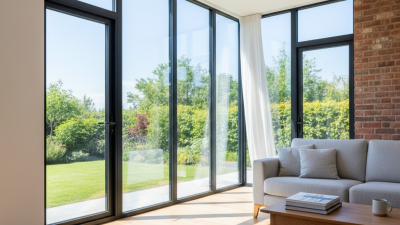
Choosing the best windows for home is not simply a matter of selecting the lowest price or brightest showroom glass. A window affects winter comfort, summer cooling, daylight, noise, security, and long-term maintenance. The right choice depends on your climate, wall orientation, frame material, glass package, and installation quality.
The U.S. Department of Energy reports that windows can account for about 25–30% of residential heating and cooling energy use. That figure makes window selection more important than many homeowners expect. ENERGY STAR also evaluates windows through U-factor, solar heat gain coefficient, visible transmittance, and air leakage. These measurements reveal performance more clearly than marketing phrases such as “premium” or “all-weather.” Check the label.
The National Fenestration Rating Council provides independently verified ratings for many products. Its data helps compare similar windows under consistent conditions. Still, laboratory results cannot perfectly reproduce every home. A poorly measured opening can waste the value of high-performance glass. We have seen this problem repeatedly in renovation projects: condensation near a cold frame, drafts around trim, or difficult operation after settling.
This guide examines ten strong options for different needs, including energy savings, historic appearance, affordability, ventilation, and coastal durability. It considers both product specifications and practical ownership concerns. No single window wins everywhere. A triple-pane unit may excel in a cold climate but offer limited value in a mild region. Your installer matters, too. That detail is easy to underestimate. Consult DOE Energy Saver guidance, ENERGY STAR criteria, and NFRC ratings before buying.
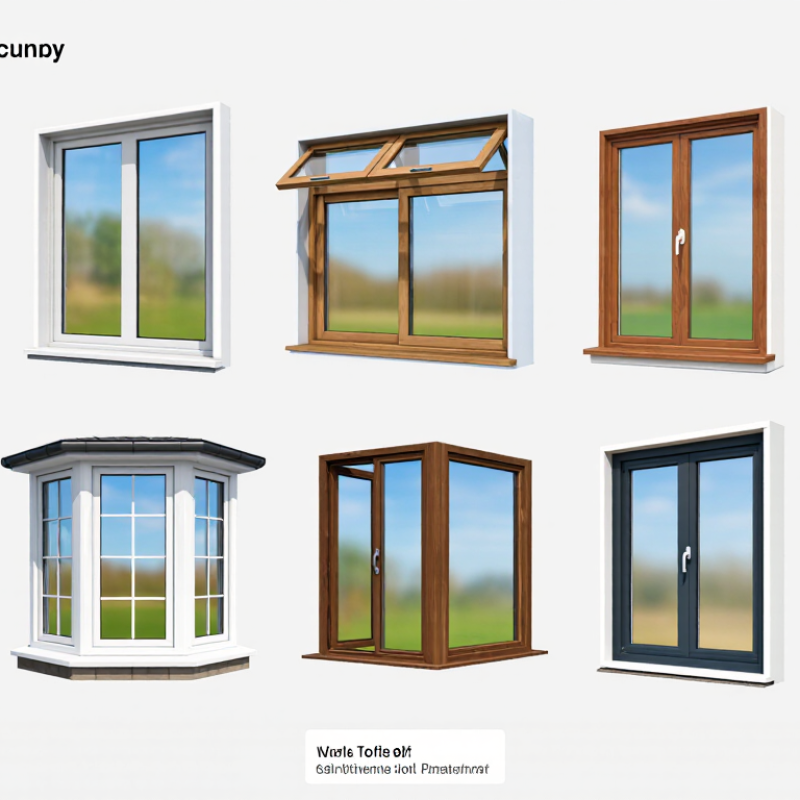
Types of Home Windows and Their Main Features
Choosing among the top 10 home window types depends on climate, ventilation, daylight, and maintenance. Casement windows open outward with strong ventilation and tight compression seals. Double-hung windows slide vertically and suit traditional rooms. Sliding windows move horizontally, making them practical for wide openings. Awning windows open from the bottom and help protect interiors during light rain. Fixed windows provide daylight but no airflow.
Picture windows create broad views and usually offer good insulation because they have no moving sash. Bay and bow windows add interior space, although their structure costs more. Skylights bring sunlight overhead, but poor installation can cause leaks or unwanted heat. The U.S. Department of Energy reports that windows may account for 25–30% of residential heating and cooling energy use. NFRC performance labels help compare U-factor, solar heat gain coefficient, and visible transmittance. These numbers matter more than appearance alone.
Tips: Match low U-factor glazing with cold climates, and consider a lower solar heat gain coefficient in hot regions. Confirm wall measurements before ordering. A professional inspection can reveal rot, uneven openings, or hidden moisture. I would not choose a beautiful window without checking the frame material and installation warranty. The best window on paper may perform poorly when installed carelessly. Even energy data has limits; household behavior, shading, and local weather can change real savings. Choose ventilation where rooms feel stale, and fixed glazing where daylight matters most.
Top 10 Best Windows for Home: Types and Typical U-Factors
Lower U-factor values indicate better resistance to heat transfer and generally improved energy efficiency.
The values show representative midpoint U-factors for common residential window types, measured in
Btu/h·ft²·°F. Fixed, picture, casement, awning, and hopper windows commonly provide strong thermal
performance, while skylights typically have higher heat-transfer values. Actual performance depends on
glazing, frame material, air leakage, installation quality, climate, and product configuration.
How to Compare Window Materials, Styles, and Energy Ratings
Choosing among the top ten best windows for a home requires more than comparing prices.
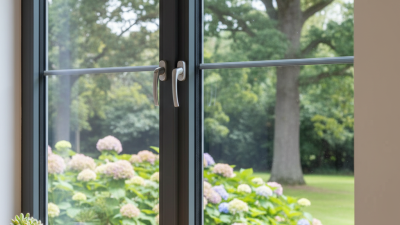
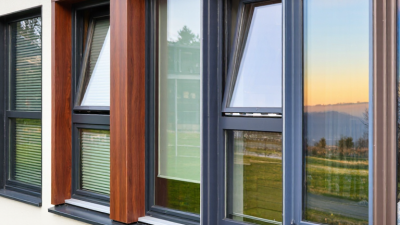
The frame material affects comfort, maintenance, and appearance. Vinyl usually costs less and resists moisture, while wood offers warmth but needs regular sealing. Fiberglass handles temperature changes well and feels rigid. Aluminum frames are slim and strong, yet they can transfer heat without a thermal break.
Style changes daily use.
Double-hung windows suit bedrooms because both sashes open and cleaning is simple. Casement windows often seal tightly and catch side breezes. Awning windows can ventilate during light rain. Sliding windows are convenient, but their overlapping panels may allow more air leakage. Measure furniture placement, emergency exits, and nearby trees before choosing a style.
Energy ratings deserve careful reading.
A lower U-factor generally means better insulation. The solar heat gain coefficient should match your climate and window exposure. Low SHGC can reduce summer heat, while a higher value may help sunny rooms in colder regions. Check visible transmittance if daylight matters. Look for certified ratings, not vague efficiency claims. Installation matters just as much; a high-performing window can fail around a poorly sealed frame. I once focused too heavily on glass ratings and underestimated installation quality. That mistake changed how I compare estimates. Ask about flashing, shims, drainage, and the installer’s warranty. Even small gaps can create a cold draft beside the sill.
Installation, Maintenance, and Long-Term Performance Factors
Choosing among the ten best window options requires more than comparing glass labels. Installation determines whether the window performs as promised. Before ordering, measure the rough opening at three points in both directions. Check the sill for rot, moisture, and uneven framing. A certified installer should verify flashing, drainage paths, insulation, and interior air sealing. Foam alone is not a waterproofing system. On renovation projects, I have seen small gaps create cold drafts within one winter. That detail is easy to miss.
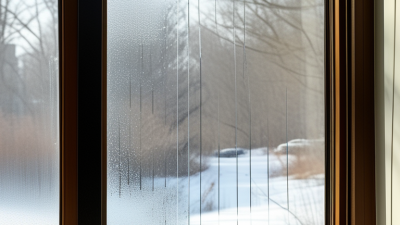
Maintenance affects comfort, energy use, and service life. Clean tracks and weep holes twice yearly, especially after pollen season. Inspect caulk, gaskets, locks, and exterior trim for cracking or movement. Condensation between panes usually signals failed insulating glass, not dirty glass. Persistent indoor condensation may indicate high humidity or poor ventilation. Use approved cleaning methods, but record dates and observed changes. Documentation helps professionals diagnose problems before damage spreads.
Long-term performance depends on climate, orientation, frame material, glazing, and installation quality. South- and west-facing windows may need solar-control glass or exterior shading. In cold regions, warm-edge spacers and low-conductivity frames can reduce interior surface cooling. Ask for independently verified ratings, warranty terms, and local service availability. Do not judge efficiency by a single number. Air leakage, solar gain, visible transmittance, and water resistance must be considered together. I once favored a lower price and underestimated maintenance access. That choice still bothers me. A window that looks excellent can become inconvenient when hardware is unreachable or replacement parts disappear.
How to Choose the Best Windows for Your Home
Choosing the best windows for your home starts with the building, not the product display.
Study your local climate, wall orientation, and daily sunlight. South-facing rooms may need solar-control glass, while shaded rooms often benefit from larger clear panes. In cold areas, compare U-factor and air-leakage ratings. In warm areas, check the solar heat gain coefficient. These figures reveal more than appearance alone.
Frame material also affects comfort and maintenance.
Vinyl, wood, fiberglass, and metal each perform differently. Wood can feel warm and attractive, but it needs regular protection against moisture. Metal frames may transfer heat unless they include an effective thermal break.
I once focused too heavily on low price and ignored installation quality. Drafts appeared around the trim after one winter. That mistake changed how I compare quotes.
Ask each installer about flashing, drainage paths, insulation, and warranty coverage.
Request references for similar homes, not only showroom photographs. A qualified professional should inspect rough openings before recommending replacement sizes. Local building requirements may affect safety glass, emergency exits, and ventilation. Consider how you clean upper windows, operate locks, and control outside noise. Small details matter.
Do not choose by glass area alone.
Larger panes can increase heat gain and cleaning work. A practical window should suit your climate, structure, budget, and habits. If the contractor cannot explain the ratings plainly, pause before signing. Your perfect choice may still involve compromise.