
Top 10 Types of House Windows for Every Home?
Choosing the right house windows involves more than matching frames to a home’s style. Climate, orientation, ventilation, security, maintenance, and installation quality all affect performance. A south-facing living room may need solar control, while a shaded bedroom may benefit from larger glazing. The best option is rarely universal.
The U.S. Department of Energy reports that windows can account for roughly 25% to 30% of residential heating and cooling energy use. That figure makes window selection an efficiency decision, not merely a decorative one. ENERGY STAR guidance also emphasizes climate-specific performance, including U-factor and solar heat gain coefficient ratings. The National Fenestration Rating Council provides standardized labels, helping homeowners compare products more reliably. Still, ratings do not tell the whole story. Poor installation can weaken an excellent window.
Building scientist Joseph Lstiburek, Ph.D., often describes a window simply: “A window is a hole in the wall.” The statement sounds blunt. It is also useful. Every opening affects heat, moisture, daylight, sound, and airflow. This guide examines the top 10 types of house windows, from casement and double-hung designs to sliding, awning, bay, bow, picture, hopper, skylight, and specialty windows. Each type has practical strengths and limitations. Some improve ventilation; others maximize views or preserve traditional architecture. The ranking is not perfect, because regional weather and construction details can change the result. Your home deserves a closer look than a generic list.
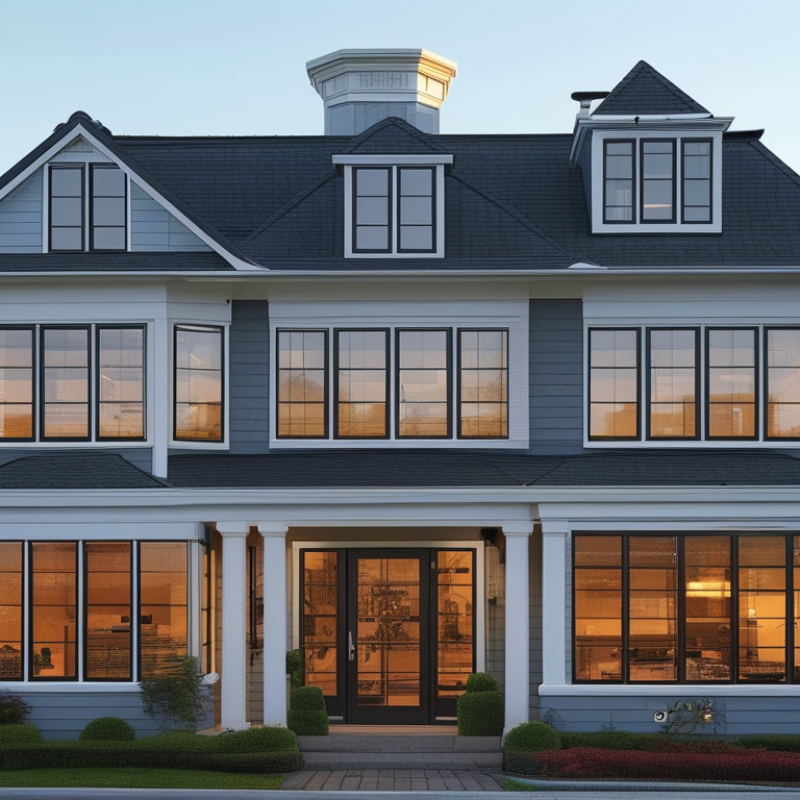
What Defines a House Window and How It Serves a Home
Top 10 Types of House Windows for Every Home?
What Defines a House Window and How It Serves a Home
A house window is a fitted opening that brings daylight, ventilation, and outside views indoors. It usually includes glass, a frame, seals, hardware, and drainage details. These parts work together against rain, wind, noise, and unwanted heat loss. A window also affects safety, privacy, and daily comfort. It is more than a transparent wall section.
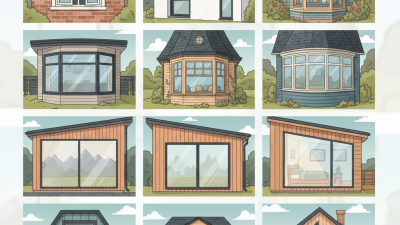
The ten common types include single-hung, double-hung, casement, awning, sliding, picture, bay, bow, hopper, and transom windows. Each operates differently. Casement windows open outward with a crank and often provide strong airflow. Double-hung windows move vertically, which helps in rooms needing controlled ventilation. Picture windows stay fixed and offer broad views. Awning windows can remain partly open during light rain. Their usefulness depends on placement, climate, wall structure, and cleaning access.
From renovation work, I have seen small details change performance. A poorly sealed frame can create a cold strip near the floor. A low window may need stronger privacy planning. South-facing glass can brighten a room, yet it may increase summer heat. No window choice is perfect. I once favored a wide picture window, then noticed how difficult its exterior glass was to clean. Reliable selection requires checking U-factor, solar heat gain, visible light, water resistance, and emergency escape requirements. Local building rules also matter, especially in bedrooms and upper floors.
Top 10 Types of House Windows for Every Home? - What Defines a House Window and How It Serves a Home
A house window is a glazed opening set into an exterior wall, roof, or projection of a home. It can provide daylight, outdoor views, natural ventilation, emergency egress, weather protection, privacy, and support for a building’s energy performance. The best window type depends on the room, wall space, desired airflow, climate, maintenance needs, and architectural style.
| No. | Window Type | How It Operates | Ventilation | Natural Light & View | Common Locations | Main Advantages | Important Considerations |
|---|---|---|---|---|---|---|---|
| 1 | Single-Hung Window | The bottom sash moves vertically, while the upper sash remains fixed. | Moderate; ventilation is available through the lower opening. | Good daylight and a traditional, balanced appearance. | Bedrooms, living rooms, hallways, and many older or traditional homes. |
|
|
| 2 | Double-Hung Window | Both the upper and lower sashes slide vertically, often allowing the sashes to tilt inward for cleaning. | Good; opening both sashes can encourage air movement through the room. | Good daylight with a versatile, widely accepted appearance. | Bedrooms, living rooms, dining rooms, and multi-story homes. |
|
|
| 3 | Casement Window | A side-hinged sash opens outward with a crank, handle, or similar operating mechanism. | Very good; the open sash can catch breezes from different directions. | Excellent, because the frame can provide a relatively broad unobstructed view. | Kitchens, bedrooms, living rooms, and walls where cross-ventilation is desired. |
|
|
| 4 | Awning Window | A top-hinged sash opens outward from the bottom. | Good, especially when moderate ventilation is needed during light rain. | Good, although the upper frame and outward-opening sash remain visible. | Bathrooms, basements, kitchens, and high wall openings. |
|
|
| 5 | Sliding Window | One or more sashes move horizontally along tracks. | Moderate; typically only part of the total window area opens. | Good horizontal views and a clean, simple appearance. | Low walls, living rooms, bedrooms, kitchens, and areas beside patios. |
|
|
| 6 | Picture Window | A large fixed window that does not open. | None by itself; it is often paired with operable windows. | Excellent daylight and expansive views with minimal visual interruption. | Living rooms, dining rooms, stairwells, great rooms, and scenic exterior walls. |
|
|
| 7 | Bay Window | A combination of windows projects outward from the wall, commonly with a central fixed or operable section and angled side sections. | Moderate to good, depending on how many sections open. | Very good; the projection can expand the viewing angle and bring light from multiple directions. | Living rooms, dining rooms, bedrooms, and front-facing elevations. |
|
|
| 8 | Bow Window | A curved projection made from several similarly sized window units arranged in a smooth arc. | Moderate to good, depending on the number and type of operable sections. | Excellent; the curved arrangement offers broad panoramic views and additional daylight. | Living rooms, dining rooms, bedrooms, and homes with traditional or decorative façades. |
|
|
| 9 | Garden Window | A small box-shaped window projects outward and commonly includes side or top panels that may open. | Moderate; ventilation depends on the operable side or top panels. | Good daylight from several directions and a useful display area. | Kitchens, breakfast areas, and rooms used for plants or small decorative items. |
|
|
| 10 | Hopper Window | A bottom-hinged sash tilts inward from the top, usually opening into the room. | Good for controlled ventilation, especially in lower-level rooms. | Moderate; the compact format provides light but usually a smaller view. | Basements, foundation-level rooms, bathrooms, and utility areas. |
|
|
Related Posts
-
Top 10 House Windows Styles for Global Buyers to Consider
-

Best Quality Home Windows at China Import and Export Fair 2026?
-
2026 Best Quality Windows for Home Why Choose the Best Options?
-
Top 10 Right Windows Options for Energy Efficiency and Style
-
Top 10 Types of House Windows to Enhance Your Home Style?
-
Top Tips for Choosing the Right Windows for Your Home Upgrade