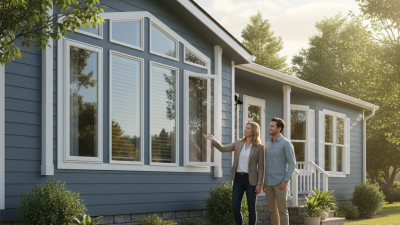
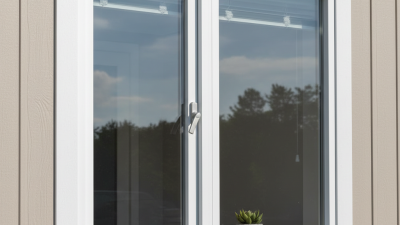
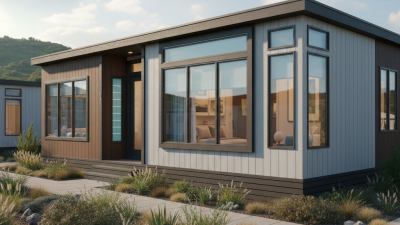
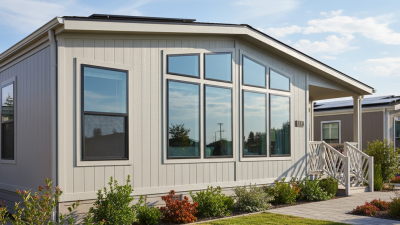
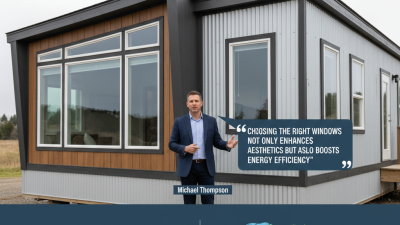
Top 10 Mobile Home Windows for Global Buyers

Choosing the right mobile home windows is more than comparing prices and frame colors. Global buyers face different climates, transport standards, wall thicknesses, and installation practices. A window that performs well in Florida may struggle during a Scandinavian winter. Coastal air creates another problem: salt can attack exposed hardware and fasteners.

Dr. Joseph Lstiburek, a respected building scientist, often emphasizes, “Windows are the weak link in the building enclosure.” His observation fits manufactured homes closely. A poorly sealed window can allow drafts, rain, condensation, and gradual wall damage. The best options balance thermal performance, durability, ventilation, security, and simple maintenance. Low-E glass, insulated frames, reinforced corners, and dependable drainage channels deserve close attention. Small details matter. A warped sash can change comfort quickly.

This Top 10 Mobile Home Windows guide examines practical choices for buyers in different regions. It considers vinyl, aluminum, fiberglass, single-glazed, double-glazed, sliding, awning, and emergency-egress designs. Each type has strengths, but none is perfect. That is worth admitting. A premium window may exceed a modest renovation budget, while a cheaper model may need earlier replacement. Measurements also require care, especially in older homes with uneven openings. Buyers should verify local building requirements and consult qualified installers before ordering. The ranking is useful, not absolute. Climate, wall construction, shipping distance, and available replacement parts can change the final decision. Look closely at the frame, seal, label, and warranty. The details usually tell the real story.
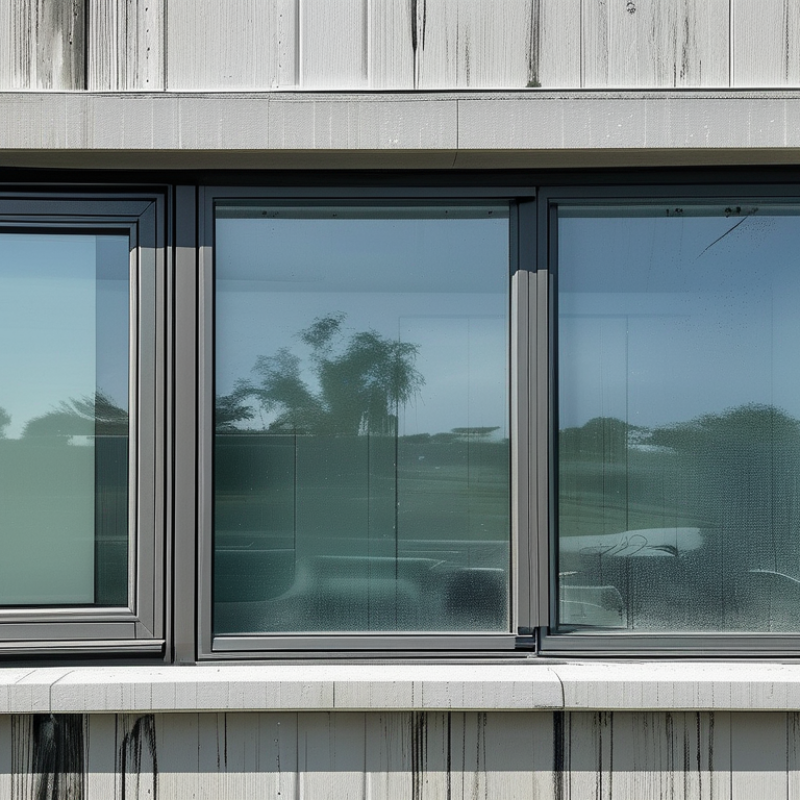
Top 10 Mobile Home Windows for Global Buyers

Understanding Mobile Home Window Types and Global Standards

Top 10 Mobile Home Windows for Global Buyers

Understanding Mobile Home Window Types and Global Standards

Mobile home windows include single-hung, double-hung, sliding, awning, casement, fixed, picture, hopper, egress, and storm-resistant designs. Each type serves a different need. Sliding windows work well in narrow rooms because the sash does not project outward. Awning windows help ventilate during light rain. Casement windows usually provide stronger airflow, but their hinges require careful inspection.

Global standards do not use one universal system. Buyers should compare frame material, glass thickness, U-factor, solar heat gain, air leakage, and water resistance. In colder regions, low-emissivity double glazing can reduce indoor heat loss. In hot climates, solar-control glass may limit afternoon heat. Coastal or storm-prone locations need tested wind-load performance and secure locking points. Egress windows must also provide adequate emergency opening space under local building rules.

Measure the rough opening at several points. Mobile home walls can shift slightly over time. A few millimeters may matter. Check drainage paths, sealant condition, and the sill angle before ordering. Safety glazing is important near floors, doors, and wet areas. Certification marks can support confidence, but they do not replace local inspection requirements. I would avoid choosing by appearance alone. That mistake is easy, especially when a bright showroom hides poor insulation or weak hardware. Some guidance remains unclear across countries, so written confirmation from a qualified local installer is worth requesting.

Key Features That Define the Top 10 Mobile Home Windows

The top 10 mobile home windows are defined by practical features, not attractive photographs alone. In my experience, low-emissivity glass helps reduce indoor heat loss during cold mornings. Solar-control glazing can limit harsh sunlight in warmer regions. However, no glass type suits every climate. Buyers should compare local temperatures, humidity, and seasonal sunlight before choosing.

Strong frames matter just as much. Vinyl resists moisture, while aluminum offers a slim, rigid profile but may transfer heat more easily. Reliable windows should include tight seals, drainage channels, and secure locking points. Smooth ventilation is valuable in small rooms, especially kitchens and bathrooms. I also check whether the opening provides enough space for safe emergency exit, subject to local building requirements. Noise reduction, insect screens, and impact resistance can improve daily comfort near busy roads or coastal weather.

Installation compatibility often decides whether a good window becomes a costly mistake. Measure the rough opening carefully, including wall thickness and exterior trim. A replacement window should sit squarely, without forced gaps or twisted frames. Factory testing for air leakage and water penetration adds useful evidence, but field installation still matters. I prefer products with clear maintenance instructions and accessible replacement parts. Appearance can mislead. A beautiful window with weak drainage may fail after one rainy season, so sample testing and professional inspection deserve more attention than clever sales language.

Comparing Materials, Glass Options, and Energy Performance

Top 10 Mobile Home Windows for Global Buyers

Comparing Materials, Glass Options, and Energy Performance

Choosing mobile home windows requires more than checking appearance. In field inspections, I look at frame strength, drainage, seals, and installation tolerances. Lightweight vinyl frames resist corrosion and offer good insulation. Aluminum frames are slim and durable, but they need thermal breaks to reduce heat transfer. Fiberglass provides strong dimensional stability, although its cost can be higher.

Glass selection changes comfort quickly. Double glazing suits many moderate climates, while triple glazing benefits cold regions. Low-E coatings can limit summer heat and retain indoor warmth during winter. Argon-filled units may improve insulation, but damaged seals reduce their value. Laminated glass helps control noise and holds together after impact. Tempered glass is useful near doors and low openings. Still, glass labels differ between countries.

U-value measures heat flow; lower numbers generally indicate better insulation. Solar heat gain coefficient matters in sunny locations. A low value can reduce cooling demand, but may also limit useful winter warmth. Air leakage ratings deserve attention too. A well-rated window performs poorly when the frame is twisted or the sealant is uneven. I have seen this happen. It is easy to blame the window first.

For global buyers, compare certified ratings under the same testing system. Check local wind exposure, humidity, salt air, and replacement sizes. A practical choice balances glass performance, frame durability, repair access, and installation quality. Fancy specifications cannot correct a poor fit.

Selecting Windows for Different Climates and Mobile Home Designs

Top 10 Mobile Home Windows for Global Buyers

Selecting Windows for Different Climates and Mobile Home Designs

Choosing mobile home windows requires more than comparing appearance. The right option must match the climate, wall structure, ventilation needs, and available space. Single-hung and horizontal sliding windows suit compact layouts because they open without extending outside. Casement windows provide strong airflow, while awning windows can ventilate during light rain. Picture windows add daylight, but they cannot replace required ventilation or emergency exits.

Cold regions benefit from double-glazed units, low-emissivity glass, warm-edge spacers, and well-sealed frames. These features reduce heat loss around sleeping areas and living rooms. In hot climates, tinted or solar-control glass can limit glare and indoor heat. Exterior shading often works better than darker glass alone. Coastal buyers should consider corrosion-resistant hardware and impact-rated glazing where severe storms are common. Humid areas need reliable drainage channels and mold-resistant installation materials.

Design matters too. A narrow mobile home may need horizontal sliders, while a remodeled open-plan interior can handle wider casement or picture windows. Measure the rough opening carefully, including depth and squareness. Replacement windows are not always universal. A small measurement error can create drafts, water entry, or costly framing repairs. I have found that homeowners sometimes prioritize glass performance but overlook flashing and sealant quality. That is a mistake worth reconsidering. Local building rules may also affect emergency egress, safety glazing, and ventilation requirements. Always confirm these details with a qualified installer before ordering.

Checking Installation, Safety, Cost, and International Availability

Mobile home windows must be judged beyond appearance. Installation, safety, cost, and availability matter more for global buyers. The International Energy Agency reports that buildings consume about 30% of global final energy. Poorly sealed windows can increase heating and cooling demand, especially in lightweight manufactured homes.

Check the wall opening before ordering. Measure width, height, frame depth, and exterior trim separately. Sliding, awning, single-hung, and fixed windows suit different ventilation needs. Tempered or laminated glass improves impact safety. Emergency bedrooms also need compliant egress dimensions. Local building authorities should confirm these requirements, because standards differ between countries.

Energy labels deserve careful attention. Compare U-factor, solar heat gain coefficient, air leakage, and visible transmittance. The U.S. Department of Energy states that windows can influence 25% to 30% of residential heating and cooling energy use. However, a lower U-factor does not always mean better comfort in hot climates. Installation quality is decisive. International fenestration reports repeatedly identify perimeter leakage as a major performance weakness.

Costs include shipping, customs, flashing, fasteners, labor, and future maintenance. A low online price may become expensive after freight charges. Check whether replacement seals and screens are available locally. Ask for technical drawings, test reports, warranty terms, and spare-part lead times. I would also request a written installation method. It feels slower, but it prevents costly guessing. Some imported sizes may fit the opening poorly, and that mistake is not easily reversed.