Top 10 Tips for Choosing House Windows That Save Energy?
Choosing the right house windows can significantly impact energy efficiency. According to energy expert John Smith, "The right windows not only enhance a home's aesthetics but also its energy performance." With the right selection, homeowners can reduce energy bills while improving comfort.
Windows are crucial for insulation and energy conservation. They regulate indoor temperatures and minimize heating and cooling costs. However, not all house windows are created equal. Many homeowners find themselves overwhelmed by choices. It's easy to overlook critical factors such as frame materials and glazing options.
When selecting house windows, it's important to consider both style and efficiency. Too often, aesthetics take precedence over function. Many windows may look attractive but perform poorly. Reflecting on your priorities is key. Finding the balance between beauty and energy savings may require deeper research and better understanding of environmental impacts.
Factors to Consider When Selecting Energy-Efficient Windows
Choosing energy-efficient windows is not easy. Consider several important factors. First, think about the frame materials. Options like vinyl, wood, and aluminum have different energy properties.
Vinyl is cheap but might lack durability. Wood offers better insulation but requires maintenance.
Next, check the glass type. Double or triple glazing reduces heat loss. Low-emissivity coatings can further improve efficiency. These coatings reflect heat while allowing light in. Different windows suit different climates. In warmer areas, you might prefer features that block heat. In cooler regions, look for qualities that retain warmth.
Don’t forget about the window design. The style impacts energy efficiency, too. Casement windows can offer a tighter seal than sliding ones. Seals and frames need to fit well. Poor installation can waste energy. Even the color of the window can influence energy loads. Darker frames may absorb more heat. Reflect on these aspects before making a decision.
Understanding Window Ratings: U-Factor, SHGC, and VT Explained
When it's time to choose windows for your home, understanding window ratings is crucial. The U-Factor measures how well a window insulates. A lower U-Factor means better energy efficiency. This rating shows the amount of heat that escapes. For colder climates, low U-Factors are essential.
The Solar Heat Gain Coefficient (SHGC) is another important rating. It indicates how much solar heat passes through the window. For hot climates, look for lower SHGC ratings. They help keep your home cool and reduce air conditioning costs.
Visualize your windows carefully. High Visual Transmittance (VT) allows more natural light. But too much light can lead to excessive heat. Having the right balance keeps rooms bright without unwanted warmth. Choose wisely: Imagine the comfort of a well-lit, energy-efficient home.
Remember, selecting windows is a commitment. Your choice impacts comfort and your energy bills in the long run.
What Materials are Best for Energy-Saving Windows?
When it comes to choosing energy-saving windows, material is crucial. Vinyl windows are popular due to their excellent insulation properties. They are affordable and require minimal maintenance. However, they can lack the aesthetic appeal of other materials. Wood frames, while beautiful, need regular upkeep. They offer great insulation but come at a higher cost. Fiberglass windows are durable and energy-efficient. They mimic the look of wood but don’t require much maintenance.
Here are a few tips for selecting the right materials. Consider your climate. If you live in a colder area, look for materials with high insulation ratings. Research the energy efficiency of different window styles. Double or triple glazing can significantly reduce energy loss. Keep in mind the window’s UV protection. Windows with low-E coatings block harmful rays while keeping your home energy efficient.
Try to visualize the overall look. Aesthetic should match your home style. Don’t forget about the warranty and resistance to weather. It’s also wise to think about your long-term plans. Sometimes, cheap options may seem appealing but can lead to higher costs later. Balancing cost and efficiency is vital for making the right choice.
Top 10 Tips for Choosing House Windows That Save Energy
| Tip No. |
Tip |
Material |
Energy Efficiency Rating |
| 1 |
Choose Low-E Glass |
Vinyl |
R-5 |
| 2 |
Opt for Double or Triple Glazing |
Wood |
R-6 |
| 3 |
Consider Gas-Filled Windows |
Fiberglass |
R-7 |
| 4 |
Look for Energy Star Ratings |
Aluminum |
R-4 |
| 5 |
Ensure Proper Installation |
Composite |
R-5.5 |
| 6 |
Choose Window Frames with Insulation |
Wood-Clad |
R-6.5 |
| 7 |
Avoid Single-Pane Glass |
Aluminum Composite |
R-3.5 |
| 8 |
Select Windows with Low U-Factor |
Vinyl |
R-5.5 |
| 9 |
Consider Window Orientation |
Wood |
R-4.5 |
| 10 |
Utilize Window Treatments |
Fiberglass |
R-5 |
The Importance of Proper Installation for Energy Efficiency
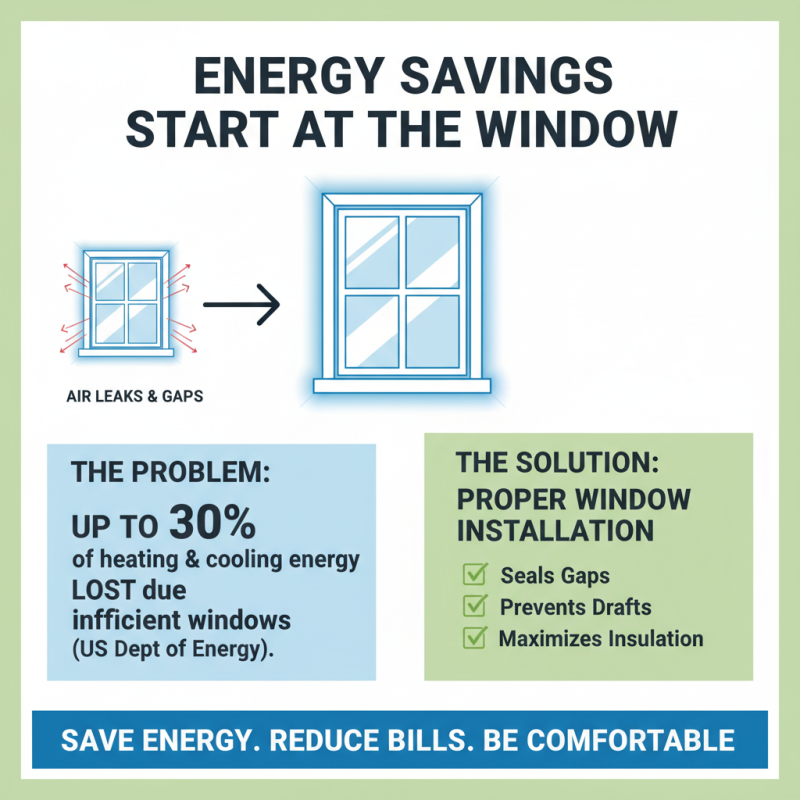
Proper installation of house windows plays a critical role in enhancing energy efficiency. According to the U.S. Department of Energy, nearly 30% of heating and cooling energy use can be attributed to inefficient windows. If windows are not installed correctly, gaps may form around the frames, which leads to air leaks. These leaks can significantly escalate energy bills and undermine the benefits of energy-efficient windows.
Using qualified professionals for installation can make a difference. A report from the American Architectural Manufacturers Association reveals that proper installation improves window performance by up to 45%. This is important for maintaining indoor comfort. Poor alignment, incorrect sealing, and inadequate insulation can all contribute to energy loss.
Moreover, some homeowners choose to do-it-yourself, thinking it's cost-effective. While this may save money initially, the long-term costs may outweigh the savings. If windows are not fitted securely, moisture can accumulate, resulting in mold and damage. Homeowners should weigh the risk of improper installation against the potential energy savings from energy-efficient windows. This careful consideration can lead to a more sustainable choice for both comfort and cost.
Exploring Additional Features to Enhance Window Performance
When it comes to enhancing window performance, additional features can make a significant impact. Look for windows with low-emissivity (Low-E) coatings. These coatings reflect heat in summer and retain warmth in winter. This can lead to lower energy bills. Another important feature is gas fills between the panes, such as argon or krypton. These gases improve insulation by reducing heat transfer.
Consider the frame materials as well. Fiberglass and wood frames offer better energy efficiency than vinyl. They can also add aesthetic value to your home. Additionally, exploring triple-pane windows might be worthwhile. While they can be more expensive upfront, they provide superior insulation. It’s crucial to weigh the long-term savings against initial costs.
Don’t overlook the importance of proper installation. Poorly sealed windows can lead to drafts and energy loss. Double-checking the installation process can save on repair costs later. Each feature adds to the overall performance, but the right combination varies for each home. Understanding your specific needs will guide you in making the best choice for your unique environment.
Top 10 Tips for Choosing House Windows That Save Energy