Transform Your Living Space: The Ultimate Guide to Choosing Windows for Your Home
Windows for your home are not just functional openings to the outside world; they are also crucial elements that can transform the aesthetics and energy efficiency of your living space. Choosing the right windows involves considering various factors, including style, materials, and energy performance. This ultimate guide will walk you through essential considerations to help you make informed decisions about your windows.
Whether you prefer traditional wood frames, modern vinyl options, or environmentally friendly choices, understanding the impact of your selection can enhance both the beauty and comfort of your home. With the right mix of functionality and design, windows can play a significant role in shaping the ambiance of your interiors while boosting curb appeal. Join us as we explore the best practices for selecting windows for your home, ensuring your choices reflect your personal style and meet your practical needs.
Understanding Different Window Types and Their Benefits
When selecting windows for your home, it's crucial to understand the variety of window types available and their respective benefits. According to the American Architectural Manufacturers Association, vinyl windows are among the most popular choices, accounting for approximately 70% of the residential window market. They are known for their energy efficiency, low maintenance, and cost-effectiveness, making them an ideal option for homeowners looking to reduce their energy bills while also enhancing the aesthetic appeal of their living spaces.
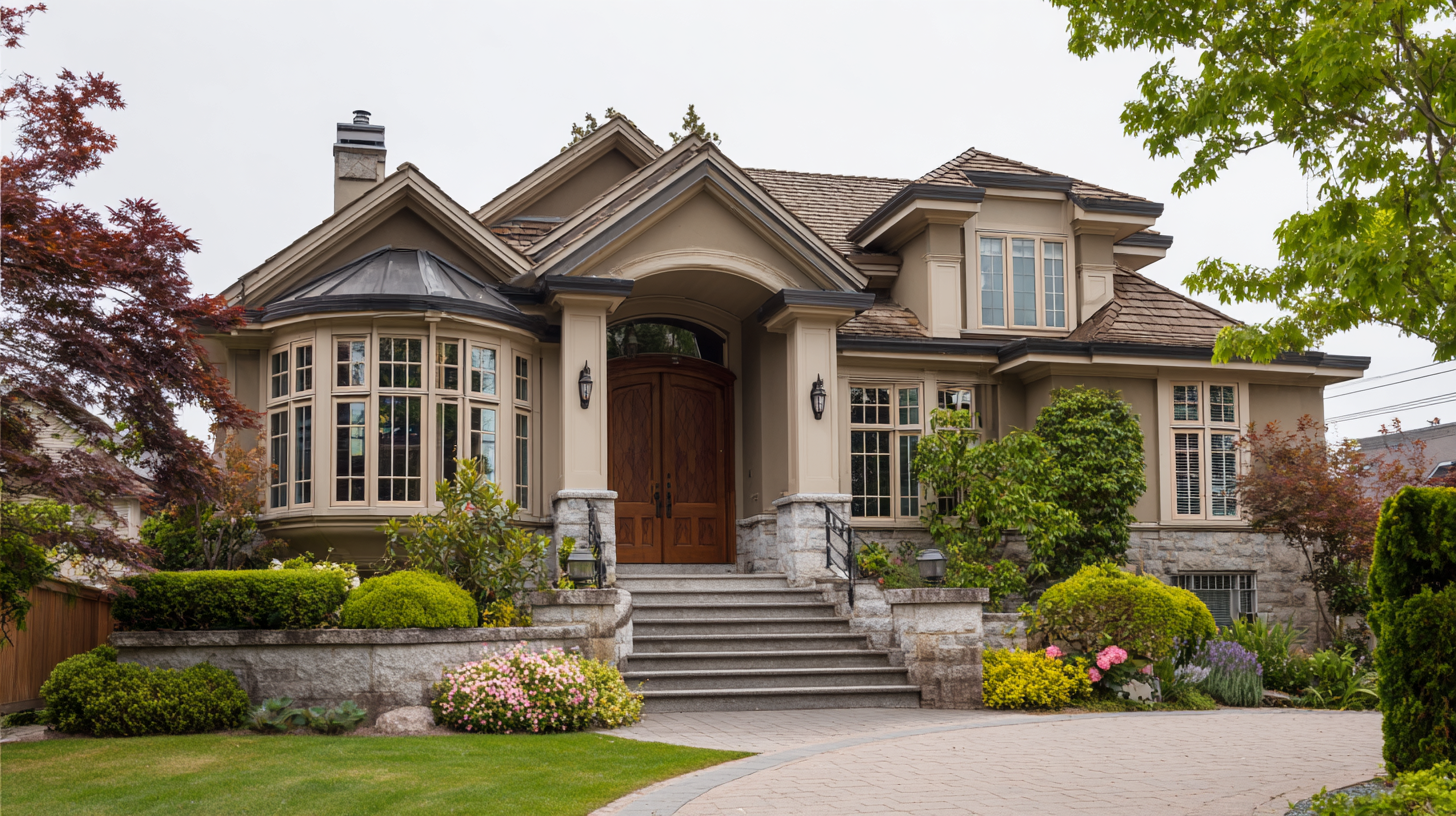
Another option worth considering is fiberglass windows, which have gained traction due to their strength and durability. A 2021 report from the Window and Door Manufacturers Association indicated that fiberglass windows offer the best insulation value, with R-values reaching as high as 10. This excellent insulation performance can contribute significantly to lowering heating and cooling costs, making fiberglass a smart choice for climates with extreme temperature fluctuations. Additionally, their resistance to warping and fading adds to their long-term appeal, ensuring that your investment remains intact for years to come. Understanding these options can help homeowners make informed decisions that not only beautify their spaces but also improve energy efficiency and durability.
How to Assess Your Home’s Style and Functionality Needs
When selecting windows for your home, assessing your space's style and functionality is crucial. Consider the architectural design of your home. For modern styles, opt for
sleek, minimalist window designs that complement clean lines. Traditional homes may benefit from divided light windows or classic shapes that enhance their charm. Ensure your
window choices align with the overall aesthetics to maintain visual harmony throughout your living space.
Functionality also plays a vital role in window selection. Evaluate the purpose of each window in your home. For areas requiring natural light, such as living rooms or kitchens,
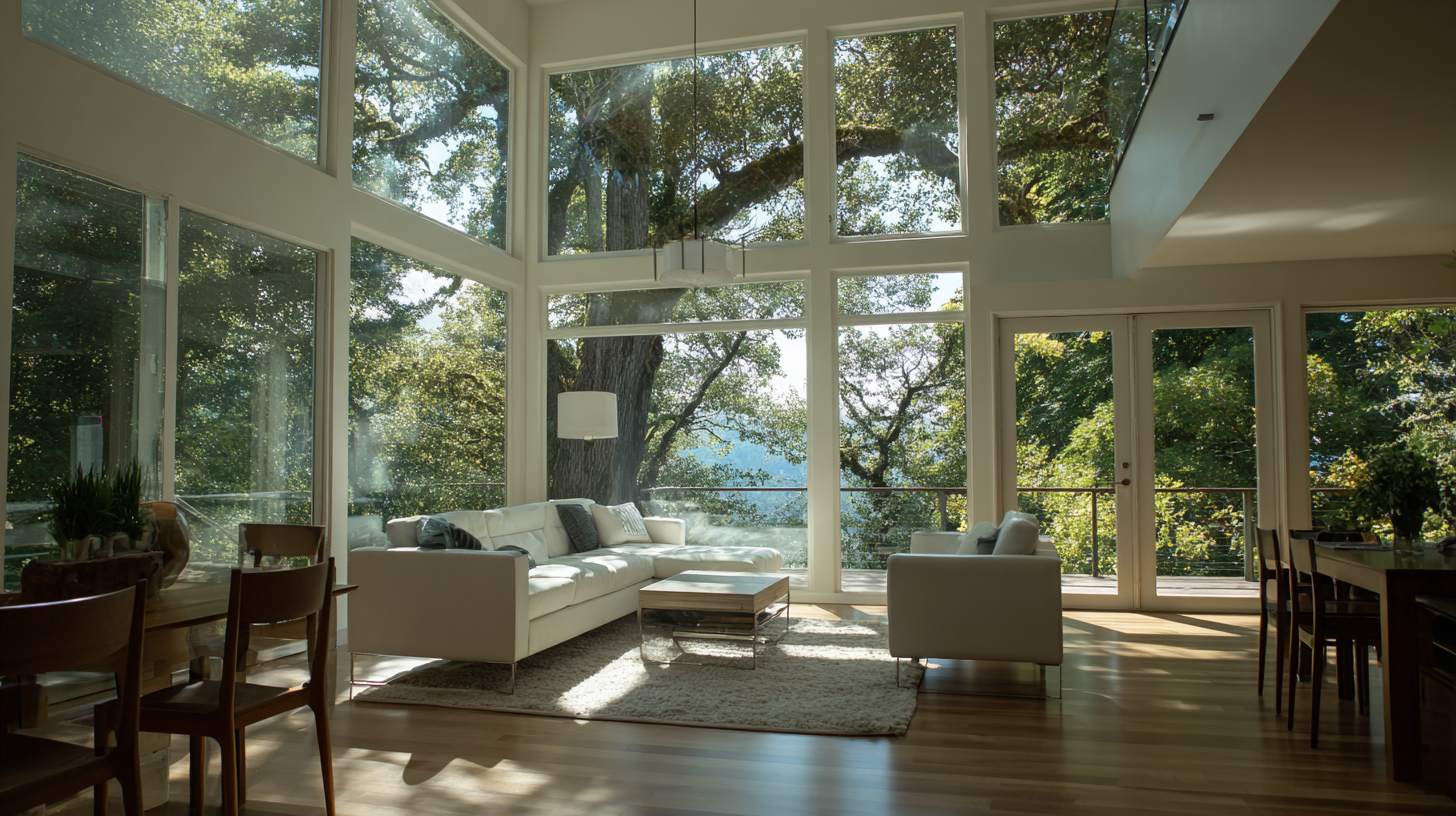
large picture windows can provide an expansive view and bright ambiance. On the other hand, bedrooms may need windows that promote ventilation while maintaining privacy.
Tips: Use operable windows where airflow is essential, like in kitchens. For energy efficiency, consider double-glazed windows to keep your home comfortable year-round. Lastly, don’t forget to factor in local weather conditions—hurricane-prone areas may require
impact-resistant windows for safety.
Selecting the Right Materials: Pros and Cons of Various Window Options
When it comes to transforming your living space, selecting the right windows is crucial, not just for aesthetics but also for energy efficiency. Each window material—wood, vinyl, aluminum, and fiberglass—comes with its unique pros and cons. According to the U.S. Department of Energy, windows account for about 25% to 30% of residential heating and cooling energy consumption. For instance, wood windows provide excellent insulation but require more maintenance due to susceptibility to rot. Conversely, vinyl windows are low-maintenance and energy-efficient but may lack the sturdiness of their wooden counterparts.
Tips: When choosing windows, consider the climate in your area. In colder regions, investing in triple-pane glass can improve insulation by up to 30%, reducing heating costs. Also, opt for Energy Star-rated windows, which can lower energy bills by an average of 12% annually.
Aluminum windows offer durability and are often favored in commercial buildings, but they can lose heat quickly unless thermal breaks are included. On the other hand, fiberglass windows are versatile and energy efficient, providing a modern look while resisting warping. The National Association of Home Builders notes that the long-term costs associated with window replacement can be influenced by initial material choices, so weigh these factors carefully when making your decision.
Tips: Always check the warranty offered by the manufacturer, as it can be a good indicator of the window's expected lifespan and quality. Additionally, consider local regulations or incentives that might affect your choice, especially if energy efficiency is a priority.
Tips for Energy Efficiency: Choosing Windows That Save on Bills
When transforming your living space, selecting the right windows is crucial, especially for maximizing energy efficiency.
Energy-efficient windows can significantly reduce your heating and cooling bills while enhancing the comfort of your home.
One of the primary factors to consider is the window's glazing.
Double-glazed or triple-glazed windows provide better insulation than single-pane options, keeping your home warmer in winter and cooler in summer.
Another essential aspect is the window frame material.
Materials like fiberglass and vinyl offer superior thermal performance compared to traditional wood frames. Additionally, look for windows with a low U-factor, which indicates better energy efficiency.
Choosing windows with argon or krypton gas fills between the panes can also minimize heat transfer, further lowering energy costs.
Finally, consider the importance of orientation and shading.
Position your windows to take advantage of natural light while minimizing heat gain.
Overhangs or awnings can provide shade during the hotter months, helping keep your home cool.
By focusing on these tips, you can choose windows that not only transform your living space but also contribute to significant savings on your energy bills.
Navigating Installation Choices: DIY vs. Professional Help
When it comes to installing windows in your home, choosing between a DIY approach and hiring professional help can significantly impact the outcome. DIY installation may seem enticing for those looking to save money or take on a personal project. It offers a sense of accomplishment and allows homeowners to customize the process to their liking. However, and it is critical to consider the complexity of window installation, which requires specific skills, tools, and knowledge about building codes. Mistakes in this process can lead to issues like leaks, poor insulation, or structural damage.
On the other hand, enlisting a professional for window installation provides peace of mind. Professionals bring experience and expertise, ensuring that windows are installed correctly and efficiently. This not only contributes to the longevity of the windows but also enhances energy efficiency, potentially lowering heating and cooling costs. Additionally, hiring experts often comes with warranties, offering protection against future problems. Ultimately, the choice between DIY and professional assistance will depend on your comfort level, budget, and the complexity of the job at hand.
Transform Your Living Space: The Ultimate Guide to Choosing Windows for Your Home
| Window Type |
Energy Efficiency Rating |
Cost Estimate |
Installation Difficulty |
Lifespan (Years) |
| Double-Hung |
Energy Star |
$300 - $800 |
Moderate |
15 - 30 |
| Casement |
Energy Star |
$400 - $900 |
Moderate |
20 - 40 |
| Slider |
Good |
$150 - $600 |
Easy |
10 - 25 |
| Awning |
Very Good |
$350 - $750 |
Moderate |
20 - 40 |
| Picture |
Excellent |
$500 - $1,200 |
Difficult |
25 - 50 |