
Why Choose Energy Efficient Windows for Your Home?
Choosing energy efficient windows for your home is more than a design decision. It is a practical way to manage heat, comfort, and household energy use. The U.S. Department of Energy reports that windows can cause 25% to 30% of residential heating and cooling energy use. That figure makes a cold glass pane feel less harmless. On a winter morning, poorly performing windows may create drafts, cold floors, and uneven room temperatures.
The International Energy Agency states that buildings consume about 30% of global final energy. Its Buildings report also attributes roughly 26% of global energy-related emissions to the sector. Better windows cannot solve that challenge alone. However, low-emissivity coatings, insulated frames, and double or triple glazing can reduce unwanted heat transfer. ENERGY STAR guidance emphasizes climate-specific window selection, because the best specification varies by region. A sunny southern exposure may need a lower solar heat-gain coefficient. A northern room may benefit more from a stronger insulation value.
The National Fenestration Rating Council recommends comparing U-factor and solar heat-gain coefficient ratings. These labels turn vague promises into measurable choices. Installation still matters. Even a high-rated unit can underperform when gaps remain around the frame. Homeowners should ask practical questions about flashing, air sealing, and warranty coverage. No window is perfect. Budget, historic character, ventilation, and future maintenance also shape the decision. A careful assessment may reveal that replacing every window immediately is unnecessary. Targeting the draftiest rooms first can be more realistic, and sometimes more effective. With credible ratings and skilled installation, energy efficient windows become an evidence-based upgrade, not merely a marketing trend.
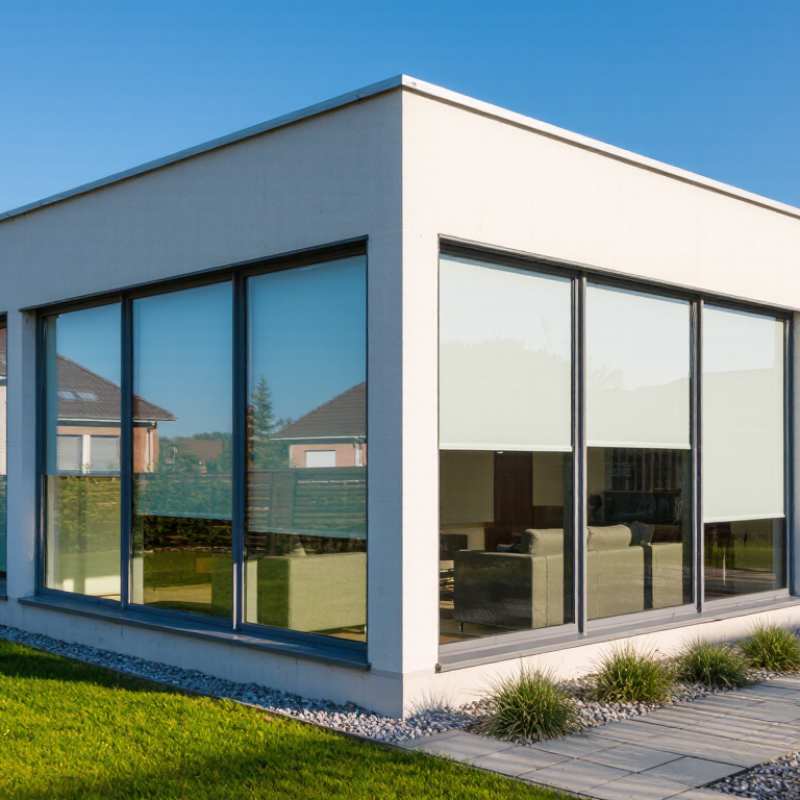
What Are Energy-Efficient Windows?
What Are Energy-Efficient Windows?
Energy-efficient windows are designed to control heat, sunlight, and air movement through the glass and frame. They usually contain two or three panes, with sealed spaces between them. These spaces may hold insulating gas, which slows heat transfer. A low-emissivity coating can also reflect indoor warmth back into a room during winter.
The frame matters too. Well-built frames reduce cold edges and limit drafts around the sash. Warm-edge spacers can improve the seal between glass panes. However, efficient glass cannot correct poor installation. A small gap around the frame may create a noticeable chill near a sofa or desk. I once assumed thicker glass always meant better performance. That assumption was incomplete. Window ratings, climate, orientation, and installation quality must be considered together.
Look for verified measurements such as U-factor, solar heat gain coefficient, visible transmittance, and air leakage. A lower U-factor generally indicates better insulation. Solar heat gain depends on the room’s exposure and local weather. South-facing windows may need different performance than shaded windows. Ask a qualified installer to inspect wall openings, drainage paths, and existing moisture damage. Energy savings can vary, and predictions are not guarantees. Yet a properly selected window can make rooms feel steadier, reduce drafts, and lower heating or cooling demand. Even the best specification deserves careful fitting.
Why Choose Energy Efficient Windows for Your Home? - What Are Energy-Efficient Windows?
| Performance Dimension | Typical Energy-Efficient Specification | What the Measure Means | Homeowner Benefit |
|---|---|---|---|
| U-Factor | Approximately 0.20–0.30 Btu/h·ft²·°F | Measures how quickly heat flows through the window. Lower values indicate better insulating performance. | Helps reduce heat loss during cold weather and may lower heating demand. |
| Solar Heat Gain Coefficient | Approximately 0.25–0.40, depending on climate and orientation | Shows the fraction of solar radiation admitted through the window. Lower values reduce solar heat gain. | Can help control overheating and cooling loads in sunny or warm climates. |
| Visible Transmittance | Approximately 0.40–0.70 | Indicates how much visible daylight passes through the glazing. | Supports natural lighting while balancing glare and solar-control needs. |
| Glazing Layers | Double or triple glazing with sealed insulating air spaces | Multiple glass layers create insulating spaces that slow heat transfer. | Improves thermal comfort and can reduce drafts near windows. |
| Low-Emissivity Coating | Low-e coating applied to one or more glass surfaces | A microscopically thin coating reflects infrared energy while allowing selected daylight to pass through. | Helps retain indoor heat in winter and limit unwanted heat gain in summer. |
| Gas-Filled Insulating Space | Argon or krypton between sealed glass panes | Inert gases conduct less heat than ordinary air when used in properly sealed glazing units. | Enhances insulation without adding extra thickness to the window design. |
| Frame Material and Design | Thermally improved vinyl, fiberglass, composite, or insulated metal frames | The frame affects heat transfer, durability, air sealing, and the total glazed area. | Reduces thermal bridging and supports consistent whole-window performance. |
| Air Leakage | A lower certified air-leakage rating is preferred; installation quality is essential | Measures the amount of air that passes through joints and seals under a standard pressure difference. | Limits drafts, moisture movement, and uncontrolled conditioned-air loss. |
| Condensation Resistance | Higher condensation-resistance ratings are generally preferred | Indicates how well the window resists interior surface condensation under standardized conditions. | Helps protect finishes and improves visibility during cold, humid weather. |
| Climate-Specific Selection | Choose U-Factor and SHGC values based on local climate, window orientation, and shading | The best combination of ratings differs between heating-dominated, cooling-dominated, and mixed climates. | Improves the likelihood of achieving comfort and energy-performance goals. |
Note: Actual window performance depends on the complete window unit, installation quality, building orientation, local climate, shading, and operating conditions. Compare certified whole-window ratings rather than glass-only specifications.
Related Posts
-
China Best Value Windows for Global Buyers?
-
Why Is Quality of Windows Important for Global Buyers?
-

Top Strategies for Choosing the Best Quality Home Windows for Your Dream Home
-

Best 10 Tips for Choosing Quality Home Windows for Your Home
-

Best Quality Home Windows at China Import and Export Fair 2026?
-
2026 Best Quality Windows for Home Why Choose the Best Options?