Best Quality Windows for Home in 2026 What to Look For?
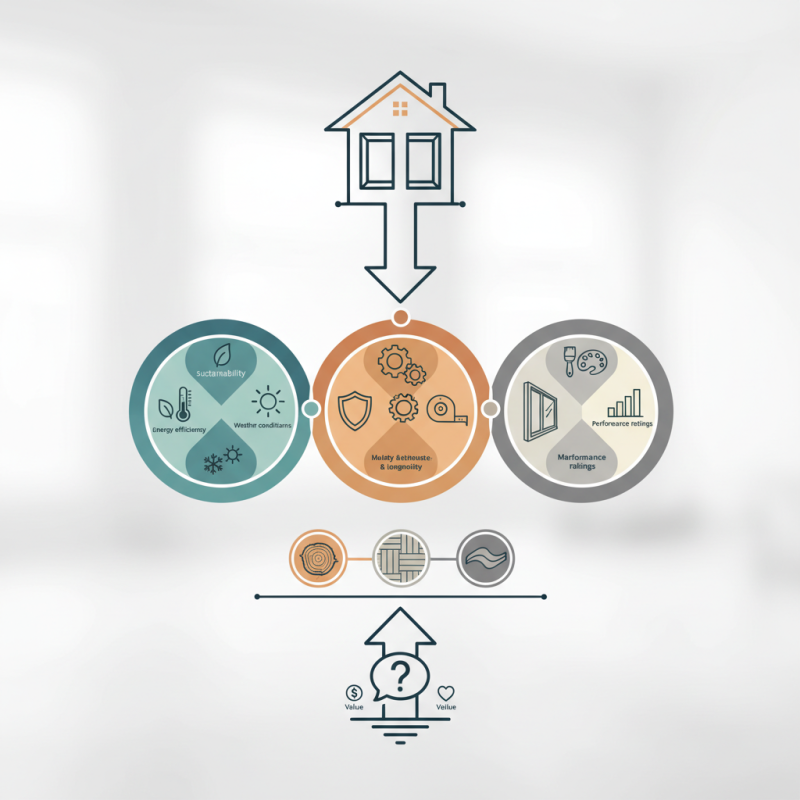
Choosing the best quality windows for home in 2026 is crucial for any homeowner. Quality windows can drastically improve energy efficiency and overall aesthetic appeal. The right windows enhance comfort and contribute to sustainability.
Look for options that offer durability and modern designs. Materials like vinyl, wood, and fiberglass all have unique advantages. Each has different maintenance needs and longevity. Consider how windows to perform in various weather conditions.
Safety and security features are essential in your selection process. Make informed decisions based on performance ratings and expert recommendations. Reflect on your priorities: aesthetics, functionality, or sustainability? The best choice matters for your home’s value and your peace of mind.
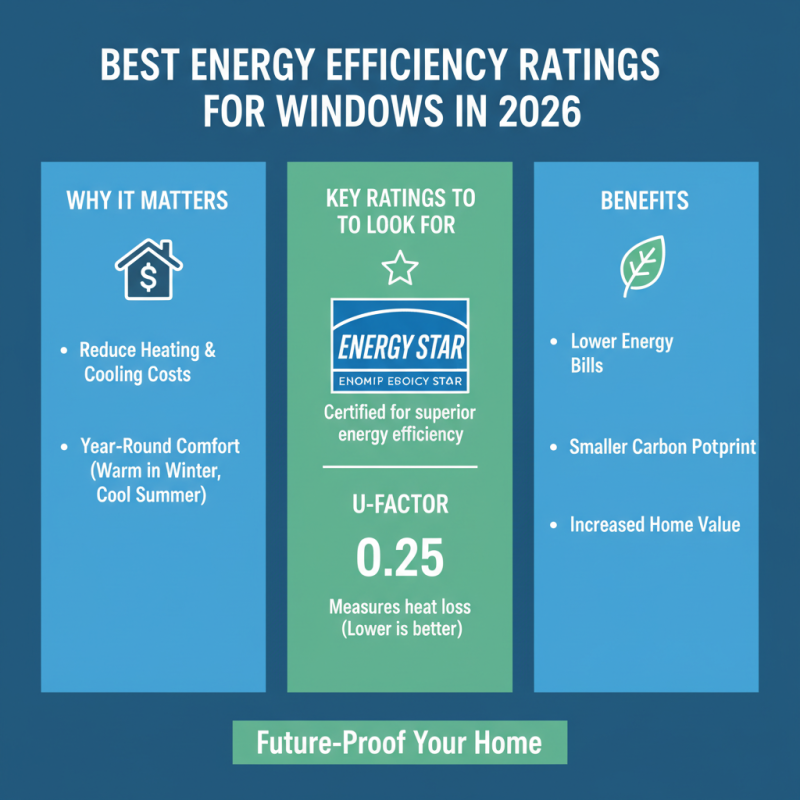
Best Energy Efficiency Ratings for Windows in 2026
When selecting windows for your home in 2026, energy efficiency should be a top priority. Windows with high energy efficiency ratings can significantly reduce your heating and cooling costs. Look for those labeled with ENERGY STAR ratings or exceptional U-factor values. These metrics indicate how well windows prevent heat loss. Good windows should keep your home warm in winter and cool in summer.
Tips for choosing energy-efficient windows include considering materials and glazing options. For instance, vinyl and fiberglass frames tend to offer better insulation. Double or triple glazing can enhance energy efficiency further. Pay attention to the space between panes; argon or krypton gas can improve thermal performance.
While you may find quality options, remember that installation is crucial. Improperly installed windows can lead to air leaks. You might save money on the purchase but face higher costs later if they aren't installed correctly. Research local contractors who understand energy-efficient installations well. Choosing the right window is about quality and proper installation.
Top Materials for Windows: Durability and Insulation Features
When choosing windows for your home, material selection is crucial. Different materials offer varying levels of durability and insulation.
For instance, vinyl windows are known for their longevity and energy efficiency. According to a 2022 report by the National Association of Home Builders, vinyl windows can last over 20 years, making them a popular choice for homeowners.
Wood windows, while aesthetically pleasing, often require more maintenance. They provide excellent insulation, but they can warp or rot if not properly cared for. Data from the Energy Star program indicates that windows with a wood frame can save homeowners an average of $500 a year on energy costs, depending on insulation quality and local climate. However, the upkeep can deter many buyers.
Aluminum windows are another option. They are lightweight and strong, but they conduct heat and cold, which can lead to higher energy bills. A study from the American Institute of Architects highlights that poorly insulated aluminum frames can contribute to a 10-15% increase in energy consumption. Thus, in selecting windows, consider not just the immediate cost but long-term implications on energy efficiency and maintenance.
Comparing Window Styles: Casement, Double-Hung, and Sliding
When choosing windows for your home, style plays a crucial role. Casement windows are a popular option, known for their easy operation and superior ventilation. They open outward with a crank handle. This design ensures that more fresh air enters your living space. However, they may require regular maintenance. Keeping hinges lubricated and frames clean is essential to their longevity.
Double-hung windows are another favorite among homeowners. They feature two sliding sashes that move vertically. This allows for improved airflow and easier cleaning. You can tilt the sashes for a thorough wash. Nevertheless, they can be prone to air leaks if not installed properly. Make sure to check the seals before making a purchase.
Sliding windows offer a sleek, modern look, but they need ample wall space to function well. These windows glide on tracks, making them easy to open. They can provide large views and plenty of natural light. Yet, they can stick and require frequent track cleaning. Consider all these factors carefully before deciding on the right window style for your home.
Best Quality Windows for Home in 2026 What to Look For? - Comparing Window Styles: Casement, Double-Hung, and Sliding
| Window Style |
Energy Efficiency |
Ventilation |
Maintenance |
Cost (per unit) |
| Casement |
High |
Excellent |
Low |
$300 |
| Double-Hung |
Moderate |
Good |
Moderate |
$250 |
| Sliding |
Moderate |
Good |
High |
$280 |
Understanding U-Factor and Solar Heat Gain Coefficient Metrics
When choosing windows for your home, understanding metrics like U-Factor and Solar Heat Gain Coefficient is crucial.
The U-Factor indicates how well a window insulates. A lower U-Factor means better insulation, which keeps your space warm in winter.
In contrast, the Solar Heat Gain Coefficient measures how much solar radiation enters through the window.
A lower coefficient can reduce cooling costs in summer.
Tips: Consider your climate when selecting these metrics. In colder areas, prioritize low U-Factor windows. If you live in warmer regions, windows with a low Solar Heat Gain Coefficient will be beneficial.
Not all windows meet energy efficiency standards. Sometimes, manufacturers exaggerate their ratings. Always verify third-party certifications.
It’s also essential to assess the installation process. Even the best windows will underperform if not installed correctly.
Reflect on your selections to ensure optimized performance for your home.
Emerging Technologies in Window Manufacturing for Enhanced Performance
In 2026, window manufacturing integrates advanced technologies for better performance. Innovations like smart glass offer dynamic shading options, adjusting to sunlight automatically. This improves energy efficiency and interior comfort. Homeowners can expect windows that not only look good but are also practical.
Manufacturers now focus on sustainability. Materials used in window frames are becoming more eco-friendly, which might reduce carbon footprints significantly. Improved insulation techniques are also drawing attention. However, these advancements can increase production costs. Thus, not every consumer might afford them.
One emerging concern is the complexity of new technologies. Homeowners may struggle with understanding installation and maintenance requirements. Knowledge gaps can hinder effective use. For instance, smart windows may require specific cleaning methods to maintain functionality. More education on these aspects may be essential for optimal usage.
Best Quality Windows for Home in 2026: Key Performance Factors