How to Choose Quality Home Windows for Your Next Project?
Choosing quality home windows is crucial for any renovation or new construction project. Windows significantly impact energy efficiency, aesthetics, and comfort. According to the American Architectural Manufacturers Association, about 30% of a home's energy loss occurs through its windows. This statistic highlights the importance of selecting the right products. Quality home windows can reduce energy bills, improve insulation, and increase property value.
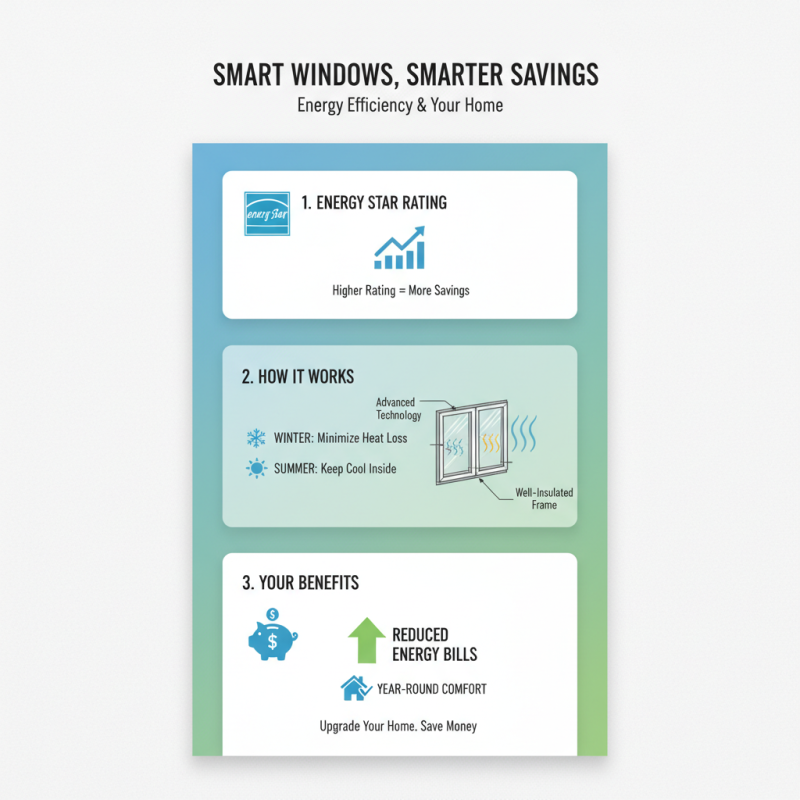
While aesthetics are important, durability and energy performance must be prioritized. A study by the U.S. Department of Energy shows that using Energy Star-rated windows can save homeowners an average of 12% on energy costs annually. However, many homeowners overlook the long-term significance of choosing quality over cost. Cheaper windows may lead to frequent replacements, costing more in the long run. Quality home windows are an investment that pays off through enhanced comfort and lower maintenance.
In the current market, numerous brands offer a vast range of options. However, not all manufacturers provide reliable warranties or adhere to industry standards. Evaluating the manufacturer's reputation and reviewing third-party ratings can guide homeowners toward informed choices. Quality home windows should not only meet visual preferences, but also align with performance benchmarks and warranty security.
Understanding the Importance of Quality Home Windows in Construction
Quality home windows are essential in construction. They can significantly impact energy efficiency and indoor comfort. When windows fit well, they prevent drafts. Proper insulation reduces heating and cooling costs. High-quality glass can also minimize noise.
Choosing the right windows involves considering various factors. For instance, the material used affects durability. Wood, vinyl, and aluminum each have strengths and weaknesses. Homeowners might overlook maintenance requirements, leading to premature wear. Consider whether you have time for upkeep.
Also, aesthetics play a crucial role. Windows should complement the home’s style. Poor choices can detract from architectural appeal. Balancing functionality and design is vital. Reflect on how the windows will enhance your living space. Identify any flaws in your current choices and reassess what truly meets your needs.
Identifying Different Types of Windows for Various Climate Conditions
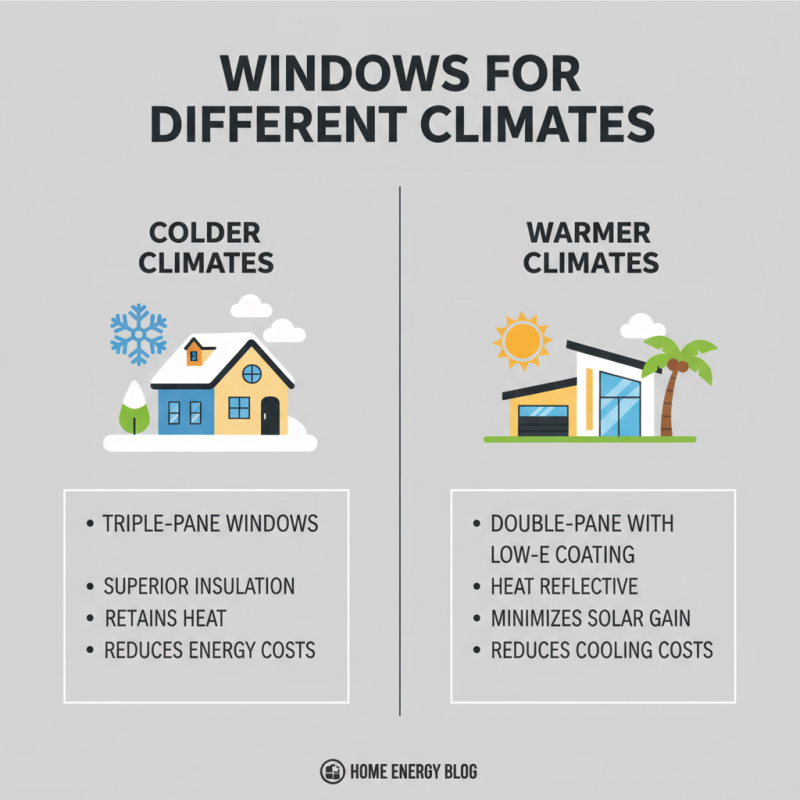
When selecting windows for your home, climate considerations are key. Windows must perform well under specific weather conditions. For example, in colder climates, triple-pane windows are often preferred for their insulation. They retain heat effectively, reducing energy costs.
In warmer climates, opt for windows with low-emissivity (Low-E) coatings. These enhance energy efficiency by reflecting heat. This feature keeps homes cooler. Also, consider materials like vinyl or fiberglass. These options resist warping and fading under intense sunlight.
Tips: Evaluate the local climate thoroughly. Look for features that suit temperature extremes. Choose styles that offer both aesthetics and function. It's okay to feel overwhelmed with choices. A well-informed decision often requires time and research. Not all windows will suit your needs perfectly. Balancing beauty with energy efficiency can be a challenge. Listen to local experts. Their insights can guide your final choice effectively.
Evaluating Window Materials: Wood, Vinyl, and Aluminum Options
When choosing home windows, understanding materials is crucial. Wood, vinyl, and aluminum each offer unique benefits and drawbacks. According to the 2022 Remodeling Cost vs. Value report, wood windows can provide excellent durability but often require more maintenance. They can be prone to moisture damage and rot if not properly maintained. However, their aesthetic appeal is unmatched, making them a favorite for traditional homes.
Vinyl windows are growing in popularity due to their cost-effectiveness and energy efficiency. The Energy Star program noted that vinyl windows can reduce energy bills by up to 30%. They are resistant to fading and decay, which means they need less upkeep. However, extreme temperatures may cause them to warp. It's essential to consider local climate conditions when selecting this material.
Aluminum windows are known for their strength and modern appeal. They are lightweight and easy to install. Despite their durability, aluminum conducts heat, making them less energy-efficient unless they feature thermal breaks. Data from the National Association of Home Builders highlights that homeowners often overlook these nuances. Evaluating personal preferences and local requirements is essential for a balanced decision. Making an informed choice can enhance your home’s comfort and value.
Choosing the Right Style and Design for Aesthetics and Functionality
Choosing the right style and design of home windows greatly impacts both aesthetics and functionality. Windows offer more than just a view. They serve as a connection between your home and the outside world. According to the American Architectural Manufacturers Association, about 35% of a home's energy loss can occur through its windows. Selecting energy-efficient designs not only enhances comfort but also reduces long-term energy costs.
The style of your windows should complement your home's architecture. For example, modern homes often benefit from sleek, minimalist designs, while traditional homes may look best with classic double-hung windows. A 2022 survey by the National Association of Realtors found that 55% of homebuyers prioritize window style and energy efficiency when considering a property. This statistic emphasizes the growing importance of both functionality and aesthetics in window selection.
It's vital to consider the climate when choosing window materials. Certain designs perform better in specific weather conditions. For instance, vinyl windows provide excellent insulation in cold climates but may not be as suitable in humid environments. Balancing personal preference with practical considerations is essential. Additionally, large windows can flood a space with light but may lead to excessive heat in summer. Reflecting on the long-term implications of your choices can help prevent costly mistakes.
How to Choose Quality Home Windows for Your Next Project?
| Window Style |
Aesthetic Appeal |
Functionality |
Energy Efficiency |
Cost |
| Double-Hung |
Classic and versatile |
Good ventilation |
Moderate |
$300 - $800 |
| Casement |
Sleek and modern |
Excellent airflow |
High |
$400 - $900 |
| Slider |
Contemporary look |
Easy operation |
Moderate |
$300 - $700 |
| Bay and Bow |
Elegant and expansive |
Creates more space |
Variable |
$500 - $1,500 |
| Awning |
Distinctive style |
Great for rain |
High |
$350 - $850 |