Choosing perfect windows from China is not simply a matter of comparing prices or frame colors. The right choice depends on climate, glass, frame material, hardware, installation, and documented performance. The U.S. Department of Energy’s Energy Saver guidance estimates that windows account for about 25–30% of residential heating and cooling energy use. That figure is a useful reminder: a low quote can become costly if the windows leak air or suit the wrong climate.
Look beyond appearance. Ask suppliers for whole-window U-factor and solar heat gain coefficient (SHGC), not glass-only figures. Check whether ratings come from a recognized testing or certification program, such as the National Fenestration Rating Council (NFRC), and request test reports for the exact model you plan to order. Confirm dimensions, opening direction, glazing, seals, hardware, packaging, and warranty terms in writing. A sample in your hand can reveal details a catalog photo cannot: a stiff handle, uneven corner, or thin weatherstrip.
Building-science researcher John Carmody’s work on residential window performance supports a practical principle—paraphrased here, not offered as a verbatim quotation: choose for climate and whole-window performance, not appearance alone. Details matter. Yet even careful buyers can miss something; installation conditions and local exposure are easy to underestimate. This guide explains how to compare Chinese manufacturers, verify specifications, and select perfect windows that suit your project rather than merely its brochure.
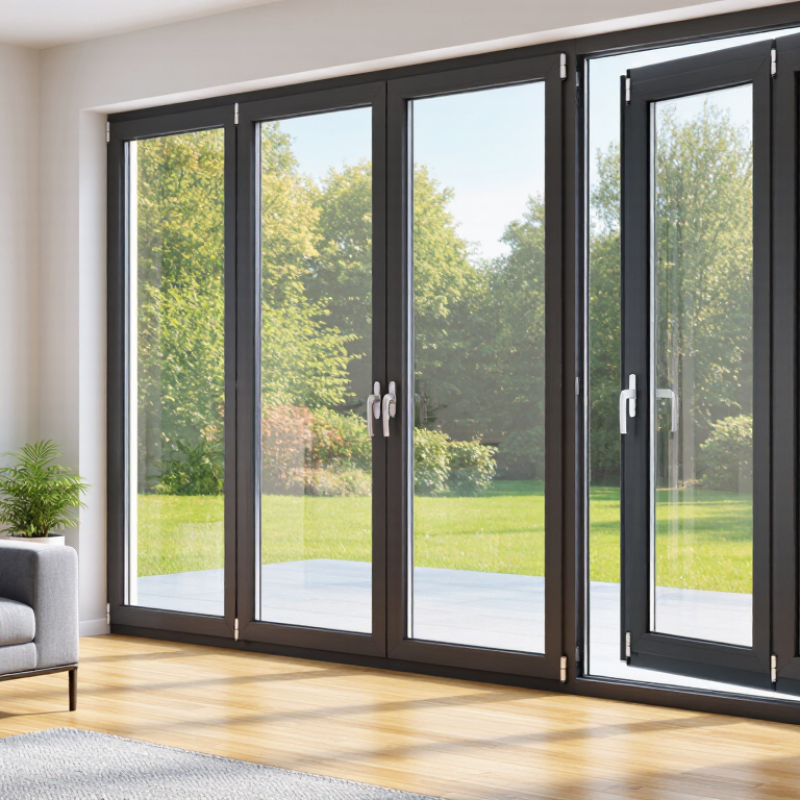
Before requesting quotations, write down what each room needs from its windows. A bedroom facing a busy street may need stronger sound reduction than a kitchen window overlooking a quiet garden. Note the room’s use, orientation, privacy needs, and available wall space. Measure each opening in several places, since older walls are not always square. Measure twice. Keep photos and a simple window schedule so suppliers can match each opening to its intended use.
Set practical performance targets for insulation, air leakage, water resistance, and wind pressure based on your climate and building plans. Coastal exposure, freezing winters, and hot afternoons create different demands. Specify frame material, glass type, opening style, hardware, color, and screen requirements. Details matter. Ask for test reports and technical drawings that correspond to the exact configuration you plan to order; a general product sheet may not cover your chosen glass or dimensions. Confirm measurement units, tolerances, packaging, and delivery terms in writing. I would avoid choosing only by the lowest quotation: omitted hardware or unclear performance ratings can change the real cost. Some requirements may need adjustment after a site review, and that is worth acknowledging early.
Compare materials by the whole window, not the frame alone. uPVC offers low maintenance and useful insulation; aluminum allows slim sightlines but benefits from a thermal break. Wood feels warm, though its finish needs care. Small details matter. The U.S. Department of Energy’s Energy Saver guidance estimates that heat gain and loss through windows account for 25–30% of residential heating and cooling energy use. ENERGY STAR reports average energy-bill savings of about 12% when single-pane clear-glass windows are replaced with certified models. These U.S. figures are reference points, not promises for every home or climate.
Style affects both daylight and daily use. Fixed windows maximize views but do not ventilate; sliding units save clearance, while casement windows open wide for airflow. Tilt-turn designs can offer controlled ventilation and inward access for cleaning. But trade-offs remain. Match the opening to room use, local weather exposure, and the space outside: a wide casement may catch strong wind, while a slider needs clear tracks. Request the whole-window U-factor and solar heat gain coefficient, plus test documentation for air, water, and structural performance. I would not choose by brochure photos alone; corner joints, drainage paths, and hardware often tell a more useful story. A perfect choice is not always obvious.
Choosing windows from China means checking measured performance, not relying on attractive catalog claims. The U.S. Department of Energy’s Energy Saver guidance estimates that 25–30% of residential heating and cooling energy can be lost through windows. The actual share depends on climate, installation, and the home itself. Ask for independently verified U-factor and solar heat gain coefficient ratings, such as those shown on National Fenestration Rating Council labels. Lower U-factors generally indicate better insulation; the right solar heat gain depends on local conditions.
Safety and build quality need equal scrutiny. Request test reports for the exact frame, glass, and hardware configuration—not a similar-looking product. Check impact resistance, air leakage, water penetration, and structural performance against standards required in your destination market. For glazing near doors or low to the floor, confirm whether tempered or laminated glass is appropriate. Small details matter. Inspect sample corners, seals, drainage paths, and locking points; a neat showroom sample can hide weak assembly. I would not treat one certificate as proof that every shipment matches it. Ask how production batches are tracked, who performed the tests, and whether the report remains valid for the chosen dimensions and opening style.
When choosing windows from China, verify the factory behind the quotation, not just the trading office. Request its business registration, manufacturing address, quality-management documents, and recent independent test reports. Match each report to the exact frame material, glass build-up, and hardware offered. A certificate for a similar product proves little. Ask for dated production photos or arrange a third-party factory inspection before paying a deposit. Small details matter.
Customization should be documented in drawings and a signed specification. Confirm opening direction, frame depth, glass thickness, finish, drainage design, and screen dimensions. Ask how the supplier checks measurements and protects corners during packing; a polished sample can travel very differently from a full shipment.
Request U-factor and solar heat-gain ratings, then confirm the testing method suits your project. One awkward question: who pays if a custom size is wrong? Clarify tolerances, replacement terms, lead times, and inspection steps in writing. Paperwork can feel tedious. It is still cheaper than reordering.
Ask for a written, itemized quote before comparing window prices. It should specify frame material, glass type, hardware, finish, packaging, and any tooling charges. Confirm the currency, payment schedule, and which shipping costs are included. A low unit price can look attractive, then shift once crating and delivery are added. Ask for sample dimensions and drawings, too. Small details matter.
Shipping needs a realistic timeline, not just an estimated departure date. Check how the windows will be protected against moisture and impact, and who arranges unloading at the destination. Request tracking information and a clear process for documenting visible damage when the shipment arrives. Keep a few extra days in the schedule. Delays happen.
Before production, have a qualified installer review the opening measurements and installation drawings. Even a modest measurement error can leave gaps that invite drafts or water. Confirm that the proposed installation method suits the building and local conditions; factory instructions may not answer every site-specific question. After-sales support deserves the same scrutiny as price. Get warranty terms in writing, including coverage, exclusions, claim steps, and expected response times. Ask whether replacement hardware or glass can be supplied separately, and what evidence is needed for a claim. Save order documents and installation photos. I would not assume a promise made in a call will be easy to verify months later.
Typical project-planning lead times (weeks)
These indicative ranges vary by supplier, route, customs clearance, and project scope. Request an itemized quote covering products, shipping, duties, and installation. Before ordering, confirm product specifications, warranty terms, and after-sales response arrangements in writing.