
How to Choose Premium Windows?
Choosing premium windows is not just a matter of selecting attractive frames. The right choice can improve comfort, reduce drafts, and bring more daylight into a room. Yet “premium” is not a performance rating. Compare the specifications, not just the showroom display.
Building-science expert Joseph Lstiburek is often associated with the maxim, “Build tight, ventilate right.” It is a useful lens for window shopping: a well-made unit still needs careful installation and a suitable ventilation plan. Small gaps matter. Ask how the window performs in your climate, and review its air-leakage, water-resistance, and thermal ratings. Check the glass package, too. Low-emissivity coatings, insulated glazing, and warm-edge spacers can affect comfort, but the best configuration depends on orientation and local conditions.
Look closely at the frame material, hardware, warranty terms, and available service. A smooth showroom sample may feel convincing; ask to see operating units and product documentation. Confirm who handles installation, and whether the warranty covers both the window and the work. Energy labels and independent certifications can help, but they do not replace a project-specific assessment. A sunny south-facing window may need different solar control from a shaded bedroom window. Details like these are easy to overlook.
This guide will help you compare options with practical questions, not vague promises. Even then, there may be trade-offs between cost, appearance, maintenance, and performance. That part deserves a second look.
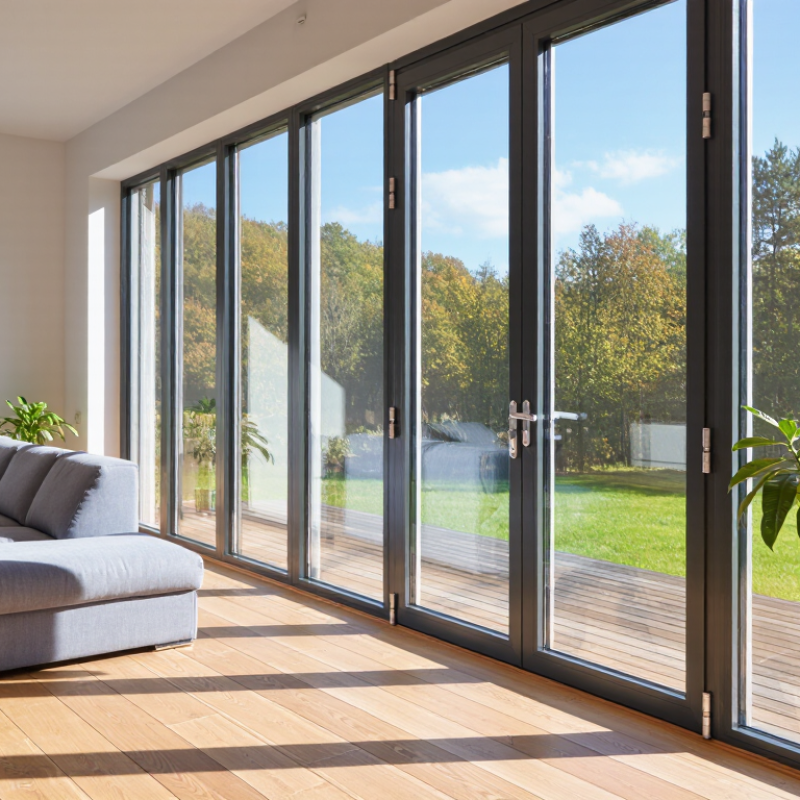
What Defines a Premium Window?
How to Choose Premium Windows?
What Defines a Premium Window?
A premium window is more than an attractive frame or a high price. It should manage heat, drafts, moisture, and noise for the climate and room where it will be installed. Check independent performance ratings, including U-factor, solar heat gain, and air leakage. Numbers matter. Compare products using the same rating system, rather than relying on broad claims such as “energy efficient.”
Construction also matters. Look for durable frame materials, tight corner joints, reliable seals, and hardware that operates smoothly without sticking. Well-made insulating glass may include multiple panes, a sealed space, and low-emissivity coatings. These features can reduce heat transfer, but their value depends on local weather and window orientation. A sunny west-facing room has different needs from a shaded bedroom.
Installation is part of performance. Even a carefully built window can leak if the opening is poorly measured or sealed. Ask who will install it, how the perimeter will be flashed, and what the warranty covers. A premium option should have clear documentation and serviceable parts. Still, ratings cannot predict every home’s comfort; old walls and uneven openings can complicate results. That detail is easy to overlook.
| Evaluation Dimension | What to Check | What a Premium Option Typically Offers | Why It Matters |
|---|---|---|---|
| Thermal performance | Look for whole-window U-factor and Solar Heat Gain Coefficient (SHGC) ratings from an independent rating program. Check the exact glass, frame, and size configuration. | A low U-factor reduces heat transfer. SHGC should suit the climate and building orientation: lower values limit solar heat gain, while higher values can help admit useful winter sun. | Better-matched ratings can improve comfort and help reduce heating or cooling demand. No single U-factor or SHGC is best for every location. |
| Glazing and seals | Review the number of panes, insulating-gas specification, low-emissivity coatings, spacer design, and the sealed glass unit’s warranty. | Well-designed insulated glazing commonly combines multiple panes, low-e coatings, durable edge spacers, and correctly sealed cavities. Gas fill and coating choices should be documented. | These components influence heat transfer, interior glass temperatures, and the likelihood of condensation. Performance depends on the complete assembly. |
| Air leakage | Ask for a tested air-leakage rating for the complete operable window, including its specified size and operating style. | A lower tested leakage rate generally indicates less air passing through closed joints. Compare products using the same test method and units. | Reduced uncontrolled drafts can improve comfort and limit energy loss. Installation quality also affects real-world leakage. |
| Water resistance | Check the product’s tested water-penetration performance and whether it is appropriate for local wind-driven rain and building exposure. | Look for documented testing to a recognized window standard, with a performance grade suited to the project. Ask how drainage paths and weep openings are designed. | Water resistance depends on the window, flashing, wall assembly, and installation—not the product alone. |
| Structural performance | Review the tested design-pressure or performance-grade information for the relevant size, configuration, and local code requirements. | A suitable tested rating demonstrates resistance to specified structural loads under the applicable test standard. Larger or unusual units may have different limits. | Appropriate structural performance is important in high-wind locations and for large openings. Confirm requirements with the project professional or local authority. |
| Frame and hardware | Assess frame construction, corner joints, reinforcement where needed, weatherstripping, hinges, locks, and the availability of replacement parts. | Premium construction typically emphasizes stable frame design, smooth and secure operation, durable finishes, and hardware that can be adjusted or serviced. | Frame and hardware quality affect operation, durability, air and water control, and long-term maintenance. |
| Acoustic performance | Request Sound Transmission Class (STC) or Outdoor-Indoor Transmission Class (OITC) ratings when noise reduction is important. | Higher ratings indicate greater sound reduction under the relevant test method. Different glass thicknesses, pane spacing, and laminated glass can affect results. | STC and OITC measure different aspects of sound transmission; neither rating guarantees the same result in every building. |
| Safety and operation | Check applicable safety-glazing requirements, opening limitations, child-safety provisions, and ease of operation. | Glazing and hardware should meet local code requirements for the window’s location and use. Operable units should open, close, and lock as intended. | Correct specification supports occupant safety, accessibility, and reliable everyday use. |
| Installation and support | Confirm who installs the windows, how openings are flashed and sealed, what the warranty covers, and how service requests are handled. | A clear installation plan, written warranty terms, documented maintenance guidance, and access to replacement components are valuable signs of a complete offering. | Even a well-rated window can underperform if it is installed incorrectly or if maintenance and service needs are difficult to address. |
Note: Ratings and code requirements vary by climate, product type, size, test standard, and jurisdiction. Compare independently tested values for the exact configuration and verify local requirements before purchase.
Related Posts
-

Top 10 Right Windows Options for Energy Efficiency and Style
-
What Type of Premium Windows Is Best?
-
Top 10 Best Value Windows for Global Buyers in 2026?
-

Perfect Windows 10 Tips for Optimal Performance and Security?
-
Top 10 Best Windows for Home Which Should You Buy?
-

7 Tips to Find the Best Value Windows?