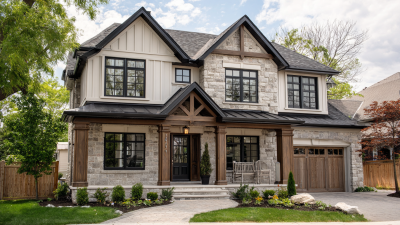
What is Quality Windows and How to Choose the Best?

Choosing the right windows for your home is crucial. Quality windows not only enhance the appearance of your property but also improve energy efficiency. Selecting the best type can be overwhelming. Numerous options exist in the market today, each claiming to offer benefits and durability.

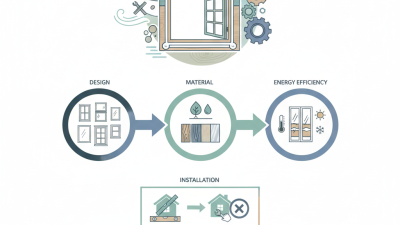
When evaluating quality windows, consider the materials. Some are better for insulation and durability. Vinyl, wood, and fiberglass offer various levels of performance. Understanding the features of these materials can guide your decision. Energy efficiency ratings should also be a priority. Look for windows that meet or exceed industry standards.

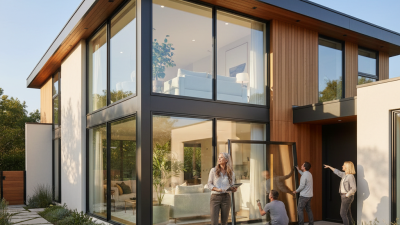
Installation is essential. Even the best-quality windows can underperform if not installed correctly. It is wise to seek professional help to ensure proper fitting. Reflection on your needs is necessary. Think about your lifestyle, climate, and budget. Quality windows are an investment, and making the right choice can lead to significant long-term savings.
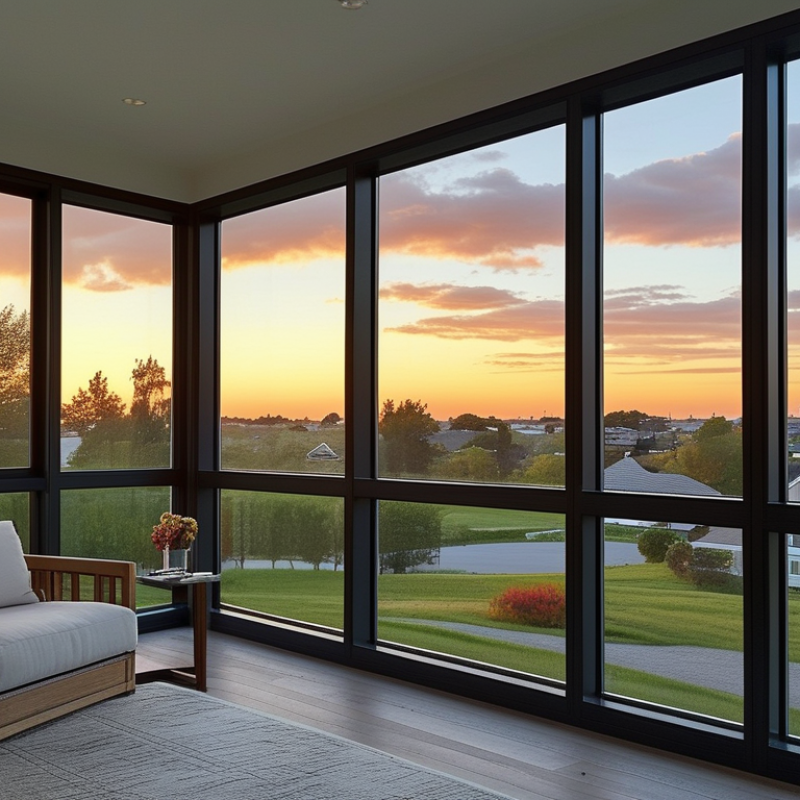
What is Quality Windows and How to Choose the Best?

Understanding Quality Windows: Key Features to Look For

When choosing quality windows, several key features matter. First, energy efficiency is crucial. According to the U.S. Department of Energy, windows can account for up to 30% of energy loss in a home. Look for windows with a high R-value, which indicates better insulation. Double or triple glazing can also enhance energy performance, reducing heating and cooling costs.

Durability is another significant aspect. Quality windows should withstand the elements without warping or discoloration. Wood, vinyl, or fiberglass options are often durable and require minimal maintenance. Choosing windows with a robust warranty can also reflect the manufacturer's confidence in their product.

To assess window quality, consider ratings from organizations like the National Fenestration Rating Council. These ratings provide insights into performance metrics, helping you make informed decisions. Conducting personal research and reviewing independent studies on window efficiency can offer a rounded perspective.

When evaluating options, inspect for potential shortcomings. A beautiful window may lack insulation, leading to discomfort and higher bills. Don’t forget about aesthetic compatibility with your home’s design. Quality windows should not only perform well but also enhance your home’s visual appeal. Investigate all features before finalizing your choice.

Types of Windows: Comparing Materials and Styles

When choosing windows, materials and styles play a significant role. Different materials offer distinct advantages. Vinyl windows are known for durability and low maintenance. According to the National Association of Home Builders, about 60% of homeowners prefer vinyl for its energy efficiency. Wood windows provide classic aesthetics but require more upkeep. They can warp and rot over time, requiring regular maintenance.

Aluminum windows are strong and lightweight. They resist corrosion, making them suitable for coastal areas. However, their insulation properties can be lacking. Glass selections also vary, with options like double or triple glazing. These can improve energy efficiency significantly, as noted in a report by the U.S. Department of Energy. A well-insulated window can save homeowners up to $500 annually on energy bills.

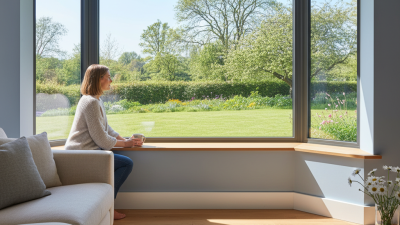
Styles also impact the choice. Casement windows open outward, offering better ventilation. Slider windows save space but may not be as energy efficient. Bay and bow windows add character but can be costly. Each style has its pros and cons, which should be carefully considered based on individual needs and local climate conditions. Choosing the right window type involves weighing these factors, given that the wrong choice can lead to inefficiencies and added costs.

What is Quality Windows and How to Choose the Best? - Types of Windows: Comparing Materials and Styles

Window Type Material Energy Efficiency Durability Maintenance Cost
Casement Vinyl High Medium Low $$$
Double-Hung Wood Medium Low High $$
Sliding Aluminum Low High Medium $
Picture Fiberglass High Very High Low $$$$
Bay Vinyl Medium Medium Medium $$$

Energy Efficiency in Windows: Importance and Benefits

Energy efficiency is a vital aspect of modern window selection. Windows account for a significant portion of a home's energy consumption. Drafty old windows can lead to increased heating and cooling costs. This places financial strain on homeowners and contributes to environmental issues.

When choosing windows, look for energy-efficient features. Double or triple glazing can help minimize heat loss. Proper insulation and weather stripping are essential to achieve an effective barrier against outside temperatures. Consider materials like vinyl or fiberglass, as they offer better thermal performance than traditional wood frames.

However, energy efficiency isn't a one-size-fits-all solution. Local climate plays a crucial role. What works well in warmer regions may not be ideal for colder areas. Reflect on your local weather patterns when making a choice. An informed selection can enhance comfort while reducing bills. Investing time in research will pay off in the long run. Balancing function and aesthetics is also important.

Factors to Consider When Choosing Windows for Your Home

When selecting windows for your home, several factors should guide your decision. Understand the climate in your area. For instance, regions with extreme temperatures require windows that provide better insulation. Choose materials wisely. Vinyl, wood, and fiberglass each have unique benefits and drawbacks. Assess the maintenance needs of each type. If you prefer low upkeep, vinyl might be more suitable.

Energy efficiency is a crucial consideration. Look for windows with dual or triple glazing. These windows can significantly reduce energy costs over time. Also, consider the Solar Heat Gain Coefficient (SHGC) for windows in sunny areas. Higher SHGC values are beneficial for colder climates but may not suit all environments.

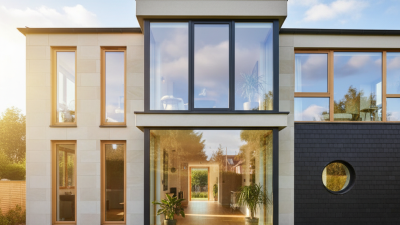
Aesthetics play a significant role too. Think about how new windows will complement your home’s style. While a modern design can enhance curb appeal, it should also fit seamlessly with the overall look. Pay attention to local building codes which may affect your choices. Reflecting on these aspects ensures that you make a well-informed decision, balancing form, function, and efficiency in your window selection.

Installation and Maintenance Tips for Quality Windows

When selecting quality windows, installation and maintenance play crucial roles in ensuring longevity and performance. Windows can account for as much as 25-30% of residential heating and cooling costs. Improper installation can lead to air leaks and energy losses. To avoid these issues, it’s essential to have your windows installed by certified professionals who understand local building codes.

Regular maintenance is vital to prolong the lifespan of your windows. Inspect seals and frames for wear and tear at least once a year. Cleaning windows regularly with appropriate methods prevents dirt buildup and maintains appearance. A study from the National Association of Home Builders (NAHB) indicates that routine maintenance can increase a window's lifespan by 30%.

Using the right materials for restoration is also critical. For instance, using a high-quality silicone sealant can prevent mold and moisture intrusion. Consider weatherstripping to enhance insulation. Addressing small issues promptly can prevent larger, costlier repairs later on. Always prioritize ongoing education about maintenance best practices to ensure your windows remain efficient and visually appealing.