Top Tips for Choosing Quality Home Windows for Your Home?
When it comes to enhancing your home, choosing quality home windows is crucial. According to industry expert Sarah Johnson, "Windows are the eyes of a house; they impact energy efficiency and aesthetics." This highlights the importance of making informed choices.
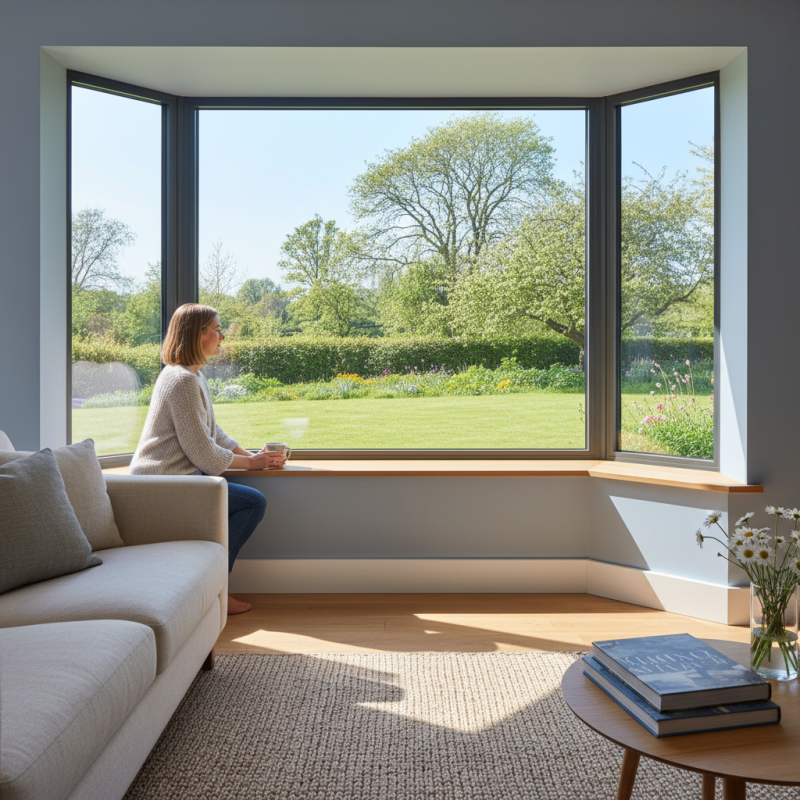
Quality home windows not only provide security but also boost curb appeal. Poor window selection can lead to drafts and higher energy bills. Imagine windows that frame the perfect view, bringing natural light into your living space. However, not all windows are created equal.
Selecting the right windows requires careful consideration. Think about your climate, style preferences, and budget. It's easy to overlook these aspects, yet they are vital. Review materials, warranties, and installation processes. Remember, investing in quality home windows pays off in the long run. Your home deserves nothing less.
Understanding Different Types of Home Windows and Their Benefits
Choosing the right type of windows can significantly affect your home's energy efficiency. According to the U.S. Department of Energy, windows can account for about 25-30% of residential heating and cooling energy use. Understanding the different types of home windows is essential for making informed decisions.
Double-hung windows offer versatility with their two operable sashes. They provide excellent ventilation and are easy to clean. These windows can also support various design styles, making them a popular choice. On the other hand, casement windows are known for their superior energy efficiency. Opened with a crank, they create a tighter seal when closed, leading to reduced air leaks.
Reports suggest that energy-efficient windows can save homeowners up to $465 annually on energy bills. However, not all windows fit every home. Some may struggle with functionality or aesthetic appeal. Homeowners should weigh these factors carefully.
While they seek efficiency, they shouldn't overlook style. Balancing these elements is crucial, though it often requires some reflection on personal preferences versus practicalities. The right choice is not always perfect.
Factors to Consider When Choosing Home Windows for Energy Efficiency
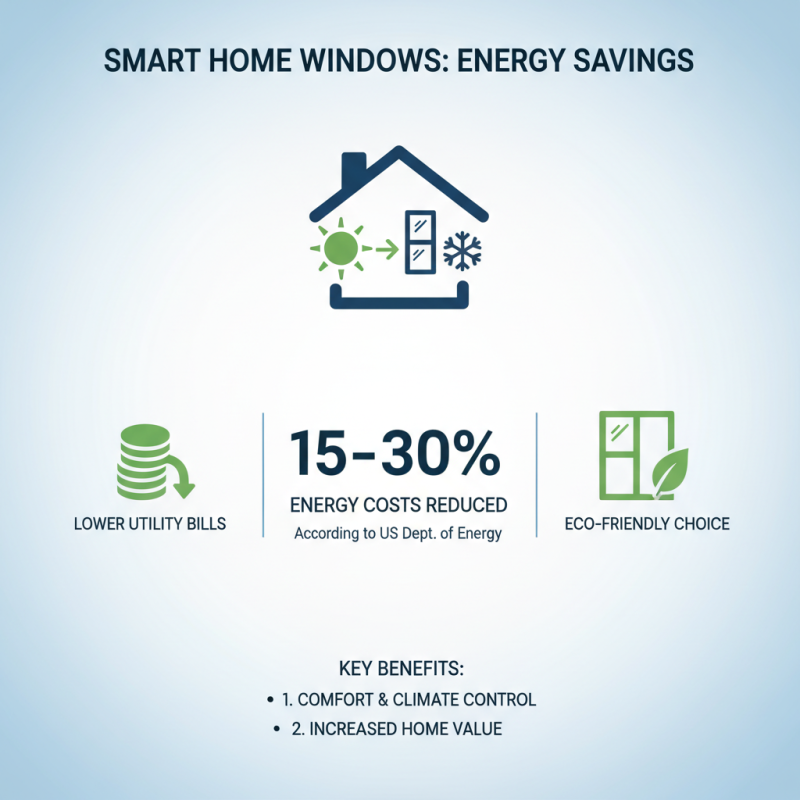
When choosing home windows, energy efficiency is crucial. It's not just about aesthetics. High-quality windows can significantly impact your utility bills. According to the U.S. Department of Energy, high-performance windows can reduce energy costs by 15% to 30%. Selecting the right windows can be a game-changer.
Consider the window materials. Vinyl, wood, and fiberglass each have unique benefits. Vinyl offers durability and low maintenance. Wood brings warmth and natural beauty, while fiberglass is strong and energy-efficient. Think about your climate, too. In cold areas, double or triple-pane windows with gas fills can enhance insulation.
A tip for conserving energy: opt for low-emissivity (Low-E) coatings. They minimize heat transfer while allowing natural light. You might also want to check the National Fenestration Rating Council (NFRC) labels. These provide essential details about performance. They can guide your decision effectively. Remember, investing in better windows is not merely an expense; it can be a wise financial choice over time.
Assessing Window Frames: Materials and Durability Options
When assessing window frames, the choice of materials plays a critical role in durability and overall home performance. According to a study by the National Fenestration Rating Council, energy-efficient windows can reduce energy bills by up to 15%. However, the window frame material significantly influences this efficiency. Common options include:
- Vinyl frames are popular for their energy efficiency and low maintenance. They resist moisture and do not need painting. However, they can warp in extreme temperatures.
- Wood frames provide excellent insulation but require regular upkeep. This may deter some homeowners.
- Aluminum frames are strong and lightweight, but they may conduct heat, affecting energy efficiency.
- Fiberglass frames have the best durability and resist rotting or warping. Yet, they come at a higher cost.
When assessing your options, consider both performance and aesthetics. State of the Art reports show that 30% of homeowners regret not choosing more durable materials. It’s vital to reflect on your climate and local conditions. For instance, homes in humid areas require different materials than those in dry regions. Therefore, choose wisely to ensure a balance between aesthetic appeal and functional durability.
How to Evaluate Window Quality: Ratings and Certifications
When selecting quality home windows, understanding ratings and certifications is crucial. Look for Energy Star labels, which indicate energy efficiency. High-performance windows can significantly reduce energy costs. Check the U-factor for insulation quality. Lower numbers mean better performance. The solar heat gain coefficient also matters. It shows how well a window resists heat from sunlight.
It's essential to consider durability as well. Look for window materials that withstand the elements. Vinyl and fiberglass are popular choices. They resist warping and fading, but sometimes, they might not match specific aesthetics. Always evaluate the warranty too. A long warranty often signifies the manufacturer's confidence in their product.
However, not all windows fit every home. It's vital to think about your local climate. Windows that perform well in one area might not suit another. Also, take into account installation methods. Poorly installed windows can lead to leaks and drafts, negating their benefits. Reflect on these factors before making a decision, and don’t rush into it.
Top Tips for Choosing Quality Home Windows for Your Home
This chart showcases the evaluation of different window quality factors based on typical ratings and certifications. The factors considered include Energy Efficiency, Durability, Noise Reduction, Aesthetic Appeal, and Maintenance Requirements.
Budgeting for Home Windows: Cost Considerations and Value
When budgeting for home windows, cost considerations play a crucial role. On average, homeowners spend between $300 and $1,000 per window, depending on materials and styles. The decision often hinges on balancing quality and price. Vinyl windows tend to be more affordable, with a cost of $300 to $700 each. However, wood windows, while aesthetically appealing, can escalate to $800 or more.
Investing in energy-efficient windows can offer significant long-term savings. According to the U.S. Department of Energy, upgrading to ENERGY STAR® rated windows can reduce energy bills by 12% to 20%. While the initial cost may seem high, these windows pay off over time. Yet, not all homeowners foresee these future savings. It’s essential to research and evaluate your choices carefully, balancing upfront costs with potential efficiency gains.
Installation costs can add another layer to the budget. Professionals typically charge between $100 and $300 per window for installation. Poor installation can lead to drafts, compromising energy efficiency. Homeowners often underestimate these costs. Realizing that quality windows can contribute to both increased home value and reduced utility bills is crucial. Proper planning and research are key to making informed decisions.