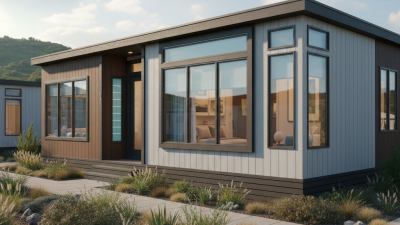
What Are the Best Mobile Home Windows in 2026?
Choosing the best mobile home windows in 2026 is not simply a matter of selecting the lowest price or the highest energy rating. A suitable window must match the home’s wall thickness, rough opening, frame condition, climate, and installation method. Small differences matter. A window that looks perfect online may not fit a manufactured home’s existing opening. It may also create leaks, drafts, or difficult trim work.
Building-science expert Dr. Joseph Lstiburek often reminds professionals, “Windows are holes in the wall.” That simple observation deserves attention. Every window interrupts the home’s weather barrier, insulation, and interior comfort. The best mobile home windows should reduce air leakage, manage condensation, provide dependable locking hardware, and support safe emergency escape where required. Look for clearly documented performance ratings, durable frames, insulated glass, and replacement instructions suited to manufactured housing.
Fit comes first.
This guide compares vinyl, aluminum, and specialty replacement windows for different budgets and weather conditions. It also considers installation quality, maintenance, ventilation, noise reduction, and long-term value. A double-pane window may perform well, but poor sealing can erase much of its benefit. That is an easy mistake to miss.
Some recommendations will be practical rather than perfect. Older homes can have warped openings, previous repairs, or uncertain measurements. In those cases, the “best” window may be the one that fits securely and can be installed correctly. Before ordering, measure each opening separately and confirm the manufacturer’s specifications. A trusted installer can also identify hidden moisture damage that photographs cannot reveal.
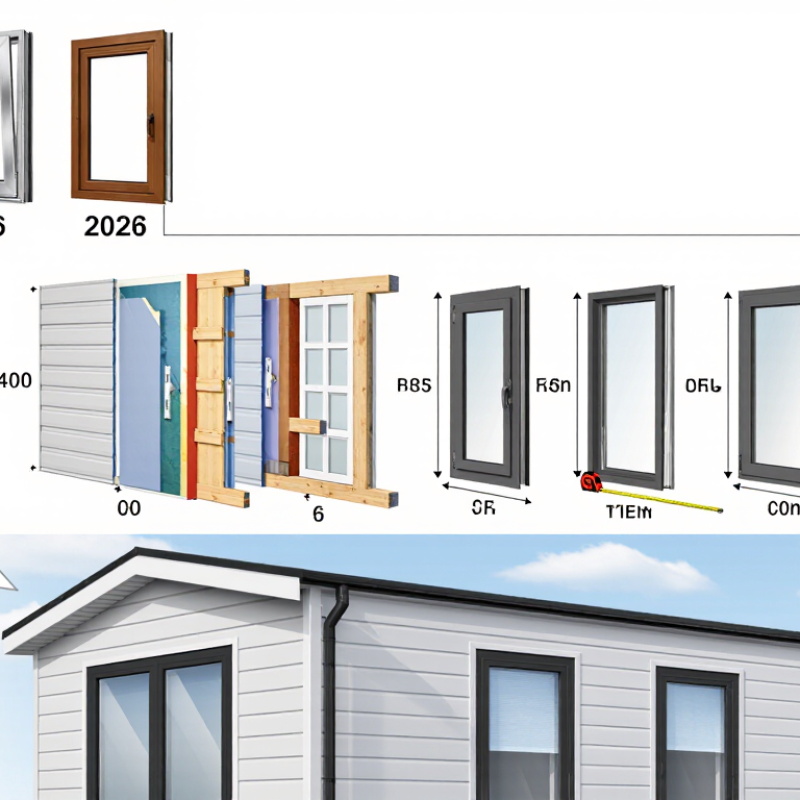
How Mobile-Home Windows Are Rated: NFRC U-Factor, SHGC, and VT
What Are the Best Mobile Home Windows in 2026?
The best mobile-home windows are not chosen by appearance alone. The NFRC label offers measurable performance data for comparing products. U-factor shows how quickly a window transfers heat. Lower numbers generally mean better insulation. This matters during a cold night when indoor heat escapes through aging glass.
SHGC measures how much solar heat enters the home. A lower SHGC can reduce overheating in sunny climates, especially beside west-facing walls. In colder regions, a moderate SHGC may provide useful warmth on bright winter afternoons. VT, or visible transmittance, indicates how much daylight passes through the window. Higher VT can brighten a narrow kitchen without turning on lights. However, high daylight can also reveal glare and faded furniture. Ratings require judgment.
Tips: Read the complete NFRC label, not one number. Compare U-factor, SHGC, and VT with your local climate. Check the frame and glass ratings together. During a replacement, inspect the rough opening for soft wood, gaps, or uneven shims. A highly rated window can still perform poorly after careless installation. I have seen small air leaks around trim create noticeable drafts. That detail is easy to miss. Measure twice, and question unusually low prices. The cheapest option may involve weaker seals or limited adjustment. Also, confirm the window fits your home’s wall thickness and emergency-exit requirements. Manufacturer claims help, but the NFRC label and careful installation deserve more trust.
Best 2026 Options: ENERGY STAR Low-E Double-Pane Windows
What Are the Best Mobile Home Windows in 2026?
For most mobile homes, ENERGY STAR Low-E double-pane windows offer a practical balance of comfort, efficiency, and price. Two sealed glass layers slow heat movement, while the Low-E coating reflects indoor warmth during cold months. In summer, it helps reduce solar heat entering through sunny rooms. The result is steadier indoor temperatures and less strain on heating and cooling equipment.
Look for the correct U-factor and solar heat gain coefficient for your climate. Lower U-factors generally improve insulation, while the right SHGC depends on sunlight and regional weather. Check the air-leakage rating, frame strength, and condensation resistance too. A window can perform well on paper but fail after poor installation. Measure the existing opening carefully, including width, height, wall thickness, and exterior trim. Small errors create drafts.
Installation details matter in manufactured housing. The replacement unit should match the home’s wall system and fastening method. Flashing, compatible sealant, and square positioning help prevent water intrusion. Avoid blocking drainage paths. That mistake is easy to make. ENERGY STAR certification provides a useful performance benchmark, but it does not guarantee the best choice for every home. Local climate, window orientation, budget, and installer skill still matter. A slightly less expensive window may perform better when installed correctly, though this is often overlooked.
What Are the Best Mobile Home Windows in 2026?
Representative U-factor comparison for common mobile home window types. Lower U-factor means better insulation and less heat transfer.
ENERGY STAR Low-E double-pane windows generally provide a strong balance of insulation, cost, and installation practicality. Actual ratings vary by frame, glass configuration, and climate zone.
Climate-Zone Selection: ENERGY STAR U-Factor Limits of 0.27–0.40
Choosing the best mobile home windows in 2026 starts with climate, not appearance. ENERGY STAR’s Residential Windows, Doors, and Skylights Version 7.0 sets maximum U-factors from 0.27 to 0.40 by climate zone. Northern regions generally require 0.27. North-Central and South-Central zones commonly allow 0.30. Southern zones may allow 0.40. A lower U-factor means better resistance to heat transfer.
This matters inside a mobile home. Thin walls and lightweight floors can make temperature swings feel sharper near a poorly sealed window. The U.S. Department of Energy reports that windows can represent about 25%–30% of residential heating and cooling energy use. That figure is not a guarantee for every manufactured home, but it shows why glass selection deserves attention. Check the NFRC label, not only the sales description. Compare U-factor, solar heat gain coefficient, and visible transmittance together.
A practical installation test is simple. Stand beside the closed window on a cold morning. If the interior glass feels icy or air moves around the frame, the rated performance may not survive poor fitting. Airtight flashing and compatible shims matter. More insulation is not always better. In a hot, sunny zone, a very low U-factor without suitable solar control can still create uncomfortable afternoon heat. I would also question replacing every window automatically; measured drafts, orientation, and existing frame condition should guide the decision.
Frame Comparison: Vinyl, Aluminum, and Fiberglass Thermal Performance
For mobile homes in 2026, frame material can affect comfort more than many buyers expect. The U.S. Department of Energy’s Efficient Windows Collaborative identifies aluminum as highly conductive, with thermal conductivity near 205 W/m·K. Vinyl and fiberglass are far lower, generally near 0.2 and 0.3 W/m·K. That difference matters beside a cold window on a winter morning.
Aluminum frames remain strong and slim, but unbroken sections can create noticeable thermal bridges. Thermal breaks improve performance, although their quality varies. Vinyl frames usually provide better insulation at a lower cost. Their hollow chambers reduce heat flow, but expansion, discoloration, and seal aging deserve inspection. Fiberglass is dimensionally stable and handles temperature swings well. It can also support narrow sightlines without matching aluminum’s conductivity.
Look at the whole window, not only the frame. NFRC 100 defines U-factor ratings, where lower numbers indicate better insulation. NFRC 200 addresses solar heat gain measurements. The DOE recommends comparing certified whole-unit values, including glazing, spacers, and frame design. An efficient frame cannot rescue poor installation. Air leakage around a mobile-home window may erase much of its rated advantage.
Measure the rough opening carefully. A small gap can feel surprisingly cold. My cautious preference is fiberglass for demanding climates, vinyl for value, and thermally broken aluminum where strength matters most. That is not a perfect ranking. Climate, glass selection, installation skill, and maintenance can change the result.
Installation Standards: NFRC Air Leakage Target of ≤0.3 cfm/ft²
What Are the Best Mobile Home Windows in 2026?
A strong mobile home window should control drafts, moisture, and energy loss. NFRC air leakage is a useful starting point. Look for a rated value of 0.3 cfm/ft² or lower. This measures how much air passes through the window assembly under standard pressure. Lower numbers usually indicate tighter performance. However, the label is not the whole story. A window can test well in a laboratory and still leak after careless installation.
Correct installation protects that rating. The opening should be square, clean, and properly supported with shims. Installers should follow the window instructions and use compatible flashing and sealants. Do not fill every gap with expanding foam. Excess pressure can bend the frame and affect operation. Check the sash, locks, and weather seals before finishing the interior trim. Small gaps around a rough opening can become noticeable on a windy night.
Tips:
Ask for the NFRC label before buying. Confirm the air leakage value, not only the U-factor. Inspect corner joints and compression seals. After installation, test for drafts with a smoke pencil on a calm day. A blower-door test offers stronger evidence, when available. Still, field testing can be imperfect. Temperature, wind, and installer technique may change the results. That is why careful sealing and a documented inspection matter as much as the printed number.