How to Choose Perfect Windows for Your Home Needs?
Choosing the perfect windows for your home is crucial for comfort and energy efficiency. Windows play a significant role in aesthetics, security, and insulation. The right selection can enhance your house's overall look while ensuring safety and reducing energy costs.
Many homeowners struggle with this decision. With various styles, materials, and features, it's overwhelming. What are perfect windows for you? Are they double-glazed or single-hung? You may prefer classic wooden frames or seek modern vinyl options. Each choice has its pros and cons.
Consider factors like climate and location. A window that suits one environment may not perform well in another. Reflect on your lifestyle as well. Do you prioritize easy maintenance, or is style more important? Finding the perfect windows is a balancing act. It requires careful thought and research. Remember, what works for your neighbor may not serve your needs. Choose wisely, as these decisions impact your home's function and appeal.
Understanding Your Home’s Architectural Style for Window Selection
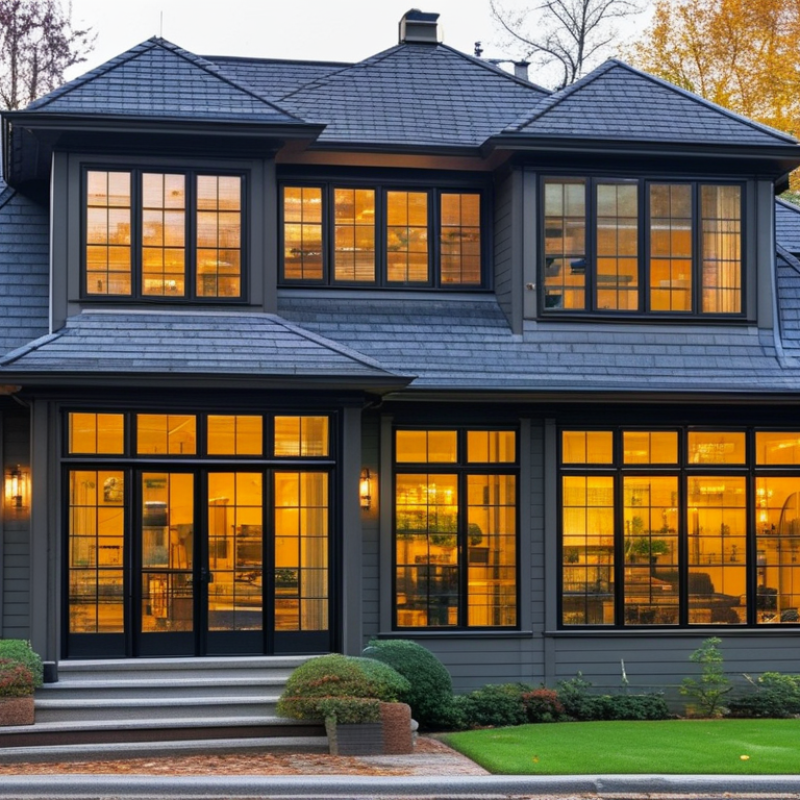
Choosing the right windows for your home is crucial. One of the most important factors is your home's architectural style. Each style has unique characteristics that can influence window selection. For example, traditional homes often feature double-hung windows, while modern designs may favor sleek, larger panes that allow more natural light.
According to the National Association of Home Builders, windows account for about 30% of a home's energy efficiency. This statistic emphasizes the need to match windows with your house's design. For instance, oversized windows suit open, minimalist spaces, but can be out of place in a craftsman-style home. Additionally, historic properties often require specific window styles to comply with preservation guidelines.
Choosing the wrong style can detract from your home's aesthetic. Many homeowners overlook this aspect. A mismatched window can lead to a disjointed look. Some homeowners choose based on trends, rather than timeless designs suited to their architecture. Reflecting on your home's character is essential to avoid common mistakes. Select windows that complement rather than clash.
Assessing Climate Conditions and Energy Efficiency for Windows
When selecting windows for your home, it's vital to consider climate conditions and energy efficiency. The U.S. Department of Energy highlights that windows can account for 30% of a home's heating and cooling costs. Choosing the right windows can significantly impact your energy bills. For instance, in regions with extreme temperatures, opting for double or triple-glazed windows can provide better insulation and regulate indoor climate effectively.
Energy Star certified windows can save homeowners an average of $101 to $583 annually, depending on the climate zone. This is an important consideration. However, not all homes benefit equally from such investments. Some older structures may require additional support to accommodate modern window technologies, leading to higher installation costs. It's essential to analyze both the long-term energy savings and the short-term investment needed.
Understanding local climate trends is equally critical. For example, areas prone to heavy snow or intense sun exposure will demand different window features. Low-emissivity (Low-E) coatings can minimize UV damage indoors and improve energy retention. Homeowners should also study their specific conditions. Choices made without this assessment may lead to unintended consequences, like increased energy use in certain months. Having a balanced approach ensures that the windows chosen are not just energy efficient but also suit the unique demands of your home environment.
Exploring Different Window Materials and Their Benefits
Choosing windows for your home involves understanding the materials available. Each type has unique benefits and drawbacks. Vinyl windows are popular due to their energy efficiency. They resist fading and do not need painting. However, they may not offer the aesthetic appeal of wood. Some people find vinyl less attractive and sometimes cheap-looking.
Wood windows add elegance and charm to any home. They can be painted or stained, allowing for custom designs. Yet, wood requires regular maintenance. It is susceptible to rot and pests. Homeowners might find that they need to invest time and effort in upkeep. This could lead to frustration over the long term.
Aluminum windows are durable and lightweight. They can handle extreme weather and require minimal maintenance. However, they lack insulation properties, which can lead to higher energy bills. It's essential to weigh the pros and cons of each material. Consider your climate, budget, and aesthetic preferences. Each choice reflects a balance of beauty and practicality.
Evaluating Window Glass Options for Insulation and Safety
When evaluating window glass options for insulation and safety, it's essential to consider several factors. High-performance glass can significantly reduce energy loss. Double or triple glazing often provides better insulation. Air or gas fills between the panes further improve energy efficiency. These choices can mean a warmer home in winter and cooler spaces during summer.
Safety is another critical factor. Laminated glass is an excellent option for security. It consists of multiple layers, making it harder to break. Tempered glass is also stronger than standard panes. If broken, it shatters into smaller pieces, reducing injury risk. However, think about where you install these glasses. Placement impacts both security and energy efficiency.
Sometimes the options available may not meet all your expectations. You might find that some high-performance glasses come at steep prices. It’s vital to balance your budget with the desired features. Reflect on how long you plan to stay in your home. Short-term solutions may not require the highest grade of materials. Prioritize your needs, making informed choices that suit your lifestyle.
How to Choose Perfect Windows for Your Home Needs?
| Window Type |
Glass Option |
Insulation Rating (U-Value) |
Safety Features |
Best For |
| Double Hung |
Low-E Glass |
0.30 |
Tempered Glass |
Energy Efficiency |
| Casement |
Triple Glazing |
0.22 |
Safety Laminated |
Extreme Weather |
| Sliding |
Low-E Argon |
0.28 |
Impact Resistant |
Modern Aesthetics |
| Awning |
Double Pane |
0.25 |
Child Safety Locks |
Rain Protection |
| Picture |
Low-E with Grids |
0.30 |
None |
Views and Light |
Choosing Window Styles that Maximize Natural Light and Ventilation
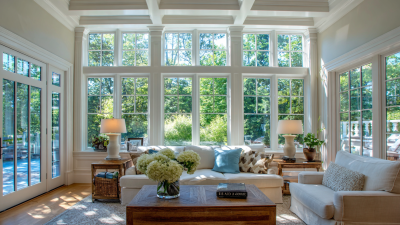
When selecting windows for your home, the style can significantly influence natural light and ventilation. Large picture windows invite sunlight and create an open feel. They’re perfect for living rooms and spaces needing warmth. Casement windows provide excellent ventilation as they swing out, catching breezes effectively. While they offer functionality, their installation might be tricky due to sealing issues.
Sliding windows can also enhance air circulation while being easy to operate. However, dirt can accumulate in the tracks, affecting smooth functionality. Consider other elements like placement; south-facing windows maximize sunlight. If you live in a windy area, fixed windows might not work best for you. A mix of window styles can provide both aesthetics and functionality. Striking the right balance is essential. Keep in mind how these choices impact your home's energy efficiency and comfort.