How to Choose Windows Home Windows in 2026?

Choosing windows for a home in 2026 involves more than comparing attractive frames and advertised prices. The right windows should suit your climate, wall direction, ventilation needs, noise levels, and renovation budget. This guide explains how to evaluate windows home windows with practical details that matter after installation, not only in a showroom.

Start by checking the glass package. Low-emissivity coatings, double or triple glazing, and warm-edge spacers can reduce heat loss. However, more glass layers are not automatically better. A shaded northern wall may need different performance from a bright south-facing room. Review the U-factor and solar heat gain coefficient, then compare them with local energy requirements. Frames also deserve attention. Vinyl, fiberglass, aluminum, and wood each handle moisture, maintenance, strength, and appearance differently.

Installation can decide whether an excellent product performs well. Ask contractors how they measure openings, manage flashing, and prevent air leaks around the frame. Request written quotes, product certifications, warranty terms, and references from similar projects. Small details matter, such as a bedroom window that opens easily during an emergency or a kitchen window that resists greasy condensation.

The best choice is rarely the cheapest or most advanced option. It is the balanced one. A reliable decision uses manufacturer data, independent guidance, and advice from qualified local installers. Still, no checklist predicts every problem. Existing wall damage, unusual weather, or poor workmanship may change the result. Leave room for inspection, questions, and a little reconsideration before ordering.
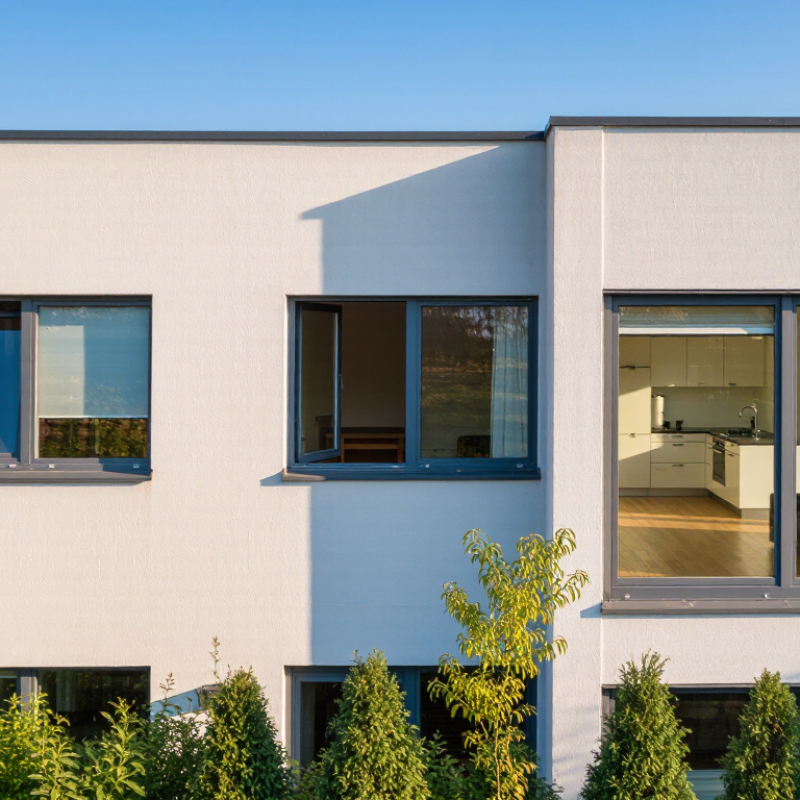
How to Choose Windows Home Windows in 2026?

Define Your Home’s Window Needs and Priorities

Define your home’s window needs before comparing frame materials or glass packages. Walk through each room at different hours. A south-facing bedroom may need glare control, while a shaded hallway may need more daylight. Note drafts, condensation, outside noise, and difficult-to-open sashes. Small observations often reveal bigger priorities.

The U.S. Department of Energy reports that windows can represent about 25–30% of residential heating and cooling energy use. That makes thermal performance worth measuring, not guessing. Check the NFRC label for U-factor and solar heat gain coefficient. Lower U-factor generally improves insulation, while SHGC should match your climate and sun exposure. The 2020 Residential Energy Consumption Survey from the U.S. Energy Information Administration also shows that space conditioning remains a major household energy demand. Window choices should support the home’s heating and cooling strategy.

Comfort is broader than energy savings. In a busy street-facing room, laminated glazing and tighter seals may matter more than maximum daylight. In a humid area, installation quality can prevent condensation problems. Ask for visible-light information, air-leakage ratings, maintenance needs, and emergency-exit dimensions. Do not rely on the product label alone. A well-rated window can perform poorly after careless installation. I have also seen homeowners overvalue impressive specifications and ignore daily use. That mistake is easy to repeat. Your priorities may change after one hot summer. That is worth admitting.

Compare Window Materials, Styles, and Opening Designs

Choosing home windows in 2026 means matching material, style, and opening design to each room. Material affects comfort, maintenance, and service life. Vinyl frames resist moisture and usually need little upkeep. Fiberglass offers strong, stable frames for wide temperature changes. Wood provides natural warmth, but it needs regular sealing and careful inspection. Aluminum looks slim and modern, although it can transfer heat without a thermal break. No material wins everywhere.

Window style changes both appearance and daily use. Double-hung windows suit bedrooms because both sashes can move for ventilation. Casement windows open outward and direct breezes into the room. Awning windows work well above sinks or counters. Sliding windows need less exterior clearance, but their tracks collect dust. Fixed windows bring in light without ventilation. Small rooms often benefit from lighter frames and larger glass areas.

I once focused too much on appearance and underestimated cleaning access. That was a poor choice. Check how far each sash opens, especially on upper floors. Compare low-emissivity glass, air sealing, and drainage details before choosing a frame. A professional installer should measure the opening, inspect the wall condition, and explain the warranty clearly. Ask for performance data, not vague promises. A beautiful window can still feel cold near a poorly sealed edge. The best choice may look less dramatic, but operate smoothly every morning.

Evaluate Energy Efficiency, Glass Options, and Climate Performance

How to Choose Windows Home Windows in 2026?

Choosing windows in 2026 requires more than comparing frame colors. Begin with your local climate, heating patterns, and summer sun exposure. A cold region usually benefits from a low U-factor, which limits indoor heat loss. Hot climates often need a lower solar heat gain coefficient, or SHGC, to reduce unwanted warmth. Climate matters greatly.

Glass selection deserves careful attention. Double glazing may suit mild conditions, while triple glazing can improve comfort in colder areas. Low-emissivity coatings help control radiant heat, but their performance depends on orientation and installation quality. South-facing windows may need different glass than shaded north-facing openings. Ask for tested U-factor and SHGC values, not vague claims such as “energy saving.”

On renovation assessments, I have seen excellent glass perform poorly because of gaps around the frame. A certified installer should check square openings, insulation, flashing, and drainage paths. Air leakage can create a cold strip beside the sill, even when the glass is advanced. Small details matter.

Do not ignore visible comfort. Stand near the proposed window on a sunny afternoon. Notice glare, heat, and outside noise. Then compare those observations with energy calculations and local building requirements. I once prioritized maximum insulation and overlooked daylight; the room felt efficient but gloomy. That was a useful mistake. A balanced decision should consider energy bills, condensation risk, maintenance, daylight, and the home’s actual exposure.

How to Choose Home Windows in 2026: Energy, Glass, and Climate Performance

Representative center values for common glazing configurations. U-factor measures heat transfer in W/m²·K, so lower values indicate better insulation. SHGC shows the fraction of solar heat admitted, while visible transmittance indicates the amount of daylight transmitted. Select lower SHGC for cooling-dominated climates and moderate-to-higher SHGC where passive solar heating is beneficial.

Check Installation Requirements, Durability, Maintenance, and Security

Choosing home windows in 2026 requires more than comparing appearance and price. Start by measuring the rough opening, wall depth, sill condition, and drainage path. Local building rules may require emergency escape windows in bedrooms. Check ventilation needs, insulation targets, and whether permission is needed before ordering. A small measurement error can create expensive gaps.

Durability depends on climate, installation quality, and daily use. Choose frames suited to moisture, heat, wind, or freezing conditions in your area. Look for strong corner joints, reliable seals, and glazing appropriate for local weather. I once saw a well-made window fail early because water entered around an unfinished sill. The product was not the only problem. Skilled fitting matters.

Maintenance should be realistic. Inspect seals, drainage holes, locks, and exterior joints twice a year. Clean tracks before they collect grit. Replace cracked sealant instead of waiting for drafts or stains. Security also deserves practical attention. Select secure locking points, strong hardware, and suitable safety glass where impact is possible. Keep window keys and access controls away from visible reach. Do not assume locked glass is completely secure. Reinforced installation and good lighting can reduce risks, but they cannot remove them. I would also review the plan after one winter, because real weather often reveals weaknesses that a showroom cannot.

Set a Budget and Choose the Best Windows for Your Home in 2026

Set a clear budget before comparing window styles in 2026. Include the window, installation, disposal, interior repairs, and a 10–15% contingency. Regional labor costs can change the final bill sharply. I would request at least three written quotes with identical specifications. A cheap quote may exclude flashing or trim repairs.

The U.S. Department of Energy reports that windows can cause 25–30% of residential heating and cooling energy use. That makes performance more important than appearance alone. Check the NFRC label for U-factor, solar heat gain coefficient, visible transmittance, and air leakage. Lower U-factor helps in cold climates. Lower solar heat gain can reduce summer cooling demand. However, the best rating depends on your climate, wall insulation, shading, and window orientation.

Spend more on heavily exposed rooms. South- and west-facing windows deserve careful solar-control planning. For quieter streets, prioritize tested air-leakage and sound performance. I have seen homeowners choose impressive glass, then regret poor installation. The frame matters, but the opening preparation matters too. U.S. Department of Energy guidance also emphasizes correct flashing and sealing during replacement. A perfect window can still perform badly when installed carelessly. Review warranties, maintenance needs, and expected service life before signing. Recheck the budget after every quote, because the first estimate is rarely complete.

How to Choose Windows for Your Home in 2026? - Set a Budget and Choose the Best Windows for Your Home in 2026

Use this comparison to match window materials and operating styles with your budget, climate, energy goals, and maintenance expectations. Actual costs vary by size, glazing, installation difficulty, local labor rates, and the condition of the existing opening.

Window option Typical installed cost per window
2026 planning range, USD
Energy and weather performance Ventilation and operation Maintenance and expected service life Best fit for
Vinyl, double-pane $450–$900 Good insulation when fitted correctly; performance depends on frame quality, low-emissivity coating, and gas-filled insulating glass. Available as sliding, single-hung, double-hung, or fixed units; operable models provide moderate ventilation. Low maintenance; clean with mild soap and inspect seals. Common service life is approximately 20–40 years. Budget-conscious replacements, rental properties, and homes seeking a practical balance of cost and efficiency.
Fiberglass, double- or triple-pane $800–$1,700 Strong thermal stability and resistance to expansion and contraction; triple glazing can improve insulation in cold climates. Available in several operating styles; casement designs can provide strong ventilation when fully opened. Low maintenance and resistant to moisture and warping. Often expected to last 30–50 years with proper installation. Cold or variable climates, long-term ownership, and homeowners prioritizing durability and energy performance.
Wood, insulated glass $900–$2,000 Naturally insulating frame material; performance depends heavily on the exterior cladding, glazing package, and ongoing maintenance. Many styles are available, including traditional opening designs with effective natural ventilation. Requires periodic painting, staining, and moisture checks. Well-maintained wood windows can last 30–60 years or longer. Historic homes, design-focused renovations, and homeowners willing to perform regular upkeep.
Aluminum, thermally improved frame $700–$1,600 Slim frames and durable construction; thermal performance is substantially better when the frame includes a thermal break and high-performance glazing. Good choice for large openings and broad views; opening style determines ventilation capacity. Low routine maintenance and strong resistance to insects and rot. Typical service life is approximately 30–50 years. Coastal areas, modern architecture, large glass areas, and projects requiring narrow sightlines.
Casement window $600–$1,500 Compression seals can provide good air tightness when the unit is correctly adjusted and installed. Hinged sash opens outward and can direct breezes into the room; clear opening is generally large for the window size. Clean hinges and hardware and check weather seals. Hardware may need adjustment over time. Energy-conscious rooms, upper floors, and homes that need strong controllable ventilation.
Double-hung window $500–$1,300 Good performance is possible with insulated glass, tight weather-stripping, and properly balanced sashes. Both sashes move vertically, allowing air to enter through one opening and exit through the other; many models tilt inward for cleaning. Moderate maintenance; inspect balances, locks, and weather-stripping. Service life commonly ranges from 20–40 years depending on material. Traditional homes, bedrooms, multi-story houses, and homeowners wanting easy cleaning and flexible ventilation.
Fixed or picture window $400–$1,400 Often among the most airtight options because there are no moving sashes; glass size and solar-control features remain important. Does not open and provides no direct ventilation. Low mechanical maintenance; clean the glass and inspect perimeter seals. Service life varies by frame and glazing quality. Living rooms, stairwells, high-view areas, and locations where daylight and scenery matter more than ventilation.

Budget Planning Checklist for 2026

Entry-level replacement Prioritize standard-size units, double glazing, durable frames, and straightforward replacement installation.
Mid-range upgrade Consider better air sealing, low-emissivity glass, improved hardware, and professional installation with proper flashing.
Premium renovation Budget for custom sizes, triple glazing where climate-appropriate, specialized finishes, structural changes, and historic detailing.
Additional costs Allow approximately 10%–20% for trim repairs, disposal, permits, difficult access, moisture damage, and unexpected opening corrections.

Cost figures are broad planning estimates in U.S. dollars for a typical replacement window, including common installation labor but excluding major structural work. Verify local quotations, energy requirements, and available rebates before purchasing.