What Are the 2026 Top Windows for Your Home?
Choosing the top windows for your home in 2026 requires more than comparing frame colors or showroom discounts. A window must manage heat, daylight, noise, moisture, and long-term maintenance. The U.S. Department of Energy reports that windows can account for roughly 25–30% of residential heating and cooling energy use. That figure makes glass selection a practical energy decision, not merely a design preference.
The National Fenestration Rating Council recommends checking each product’s U-factor, solar heat gain coefficient, visible transmittance, and air-leakage rating. These numbers reveal how a window performs in real conditions. A low U-factor can reduce winter heat loss, while an appropriate solar heat gain coefficient may limit summer overheating. Climate matters. So does orientation. A large west-facing window behaves differently from a shaded north-facing unit.
Building scientist Dr. Iain Walker of Lawrence Berkeley National Laboratory has described windows as “often the weakest link in the building envelope.” That warning deserves attention. However, no single model is best for every house. Installation quality can undermine even excellent glass. A highly rated window, fitted poorly, may still admit drafts and water.
This guide compares leading windows for your home through energy ratings, material durability, comfort, warranty support, and installation evidence. The ranking is useful, but imperfect. Your wall construction, local climate, budget, and daily sunlight patterns may change the final choice. Tiny details matter. Even the morning glare on a kitchen floor can expose a poor decision.
Define Top 2026 Windows by NFRC U-Factor, SHGC, and Air-Leakage Ratings
What Are the 2026 Top Windows for Your Home?
The best 2026 windows should be judged by NFRC ratings, not appearance alone. NFRC-certified labels provide consistent performance data for comparing different window designs. U-factor measures heat transfer through the window. Lower numbers usually mean better insulation and warmer interior glass during winter. This matters beside a cold bedroom wall or a drafty reading chair.
SHGC measures how much solar heat enters through the glass. A lower SHGC can reduce summer cooling loads in hot, sunny regions. A moderate or higher SHGC may help warm south-facing rooms during colder seasons. Orientation matters greatly. A shaded window and an exposed west-facing window may need different specifications. There is no universal “top” rating for every home.
Air-leakage ratings show how much air passes through a closed window assembly. Lower leakage generally improves comfort and reduces unwanted energy loss. Check this rating carefully in windy locations. Small gaps can become noticeable near curtains, locks, and trim. Installation quality also affects real performance. Even an excellent NFRC rating cannot correct a poorly fitted frame. That is easy to overlook.
A practical comparison should include climate, room direction, glazing type, frame material, and installation details. I would not choose a window from one number alone. My own preference would be balanced performance over an impressive label. Ratings are useful, but buildings remain imperfect. Local inspection can reveal moisture, shading, and ventilation issues that product data cannot show.
Rank Casement, Double-Hung, Awning, and Picture Windows by Performance Data
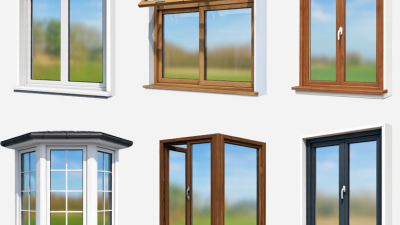
For 2026, performance data puts casement and awning windows near the top. Their compression seals usually reduce air leakage more effectively than sliding sash designs. The NFRC Certified Products Directory compares U-factor, solar heat gain coefficient, visible transmittance, and air leakage. These ratings matter more than window style alone.
Casement windows rank first for balanced insulation and ventilation control. Awning windows perform similarly, especially above sinks or in rainy climates. Their outward-opening sash can ventilate while shedding light rain. Double-hung windows rank third. They offer practical cleaning and adjustable airflow, but their sliding seals often allow more leakage. The U.S. Department of Energy identifies air leakage as a major comfort and energy concern, particularly around poorly installed operable windows.
Picture windows rank highest for fixed-glass efficiency. They have no moving sash, so they typically deliver excellent air-tightness and strong thermal consistency. They ventilate nothing, though. That limitation is easy to overlook. ENERGY STAR and NFRC guidance also show that climate-specific U-factor and SHGC targets should guide selection, not a universal ranking. A low U-factor may help in cold regions, while excessive solar gain can overheat sunny rooms. Field installation can overturn laboratory results. I have seen carefully rated windows underperform because rough openings lacked continuous flashing and insulation. Industry testing offers reliable comparisons, but jobsite workmanship still deserves equal scrutiny.
Match Window SHGC and U-Factor to IECC 2024 Climate-Zone Requirements
What Are the 2026 Top Windows for Your Home?
Match Window SHGC and U-Factor to IECC 2024 Climate-Zone Requirements
The best window depends on your IECC 2024 climate zone, not only its frame material. U-factor measures heat transfer through the window. A lower value generally improves insulation during cold weather. SHGC measures how much solar heat enters through the glass. A lower SHGC can reduce summer cooling loads, especially on large south- and west-facing windows.
For many residential prescriptive paths, IECC 2024 uses tighter U-factor targets in Climate Zones 4 through 8, commonly around 0.30. Zones 1 through 3 commonly use around 0.40. SHGC requirements often favor lower values in hotter zones, frequently near 0.23, while cooler and mixed climates may allow about 0.40. Confirm the adopted local code. Amendments can change the target.
A practical check starts with the window schedule. Record each room’s orientation, size, shading, and heating system. A west-facing bedroom with afternoon sun may need a lower SHGC than a shaded north-facing window. In a cold zone, an extremely low SHGC can also block useful winter sunlight. That tradeoff is easy to miss.
During project reviews, I would compare the NFRC-listed U-factor and SHGC, rather than relying on sales labels. Installation matters too. A well-rated window can perform poorly when gaps remain around the frame. I would also question whether every opening needs the same specification. Uniform choices look simple, but they may waste performance where shade and exposure differ.
What Are the 2026 Top Windows for Your Home? — Match Window SHGC and U-Factor to IECC 2024 Climate-Zone Requirements
This 2026 planning guide pairs whole-window performance targets with the 2024 International Energy Conservation Code (IECC) prescriptive residential fenestration values. Lower U-factor means better insulating performance; SHGC should be selected according to the balance between solar heat gain, cooling demand, and passive solar benefits.
| IECC 2024 Climate Zone |
Typical Climate Profile |
IECC 2024 Maximum U-Factor |
IECC 2024 Maximum SHGC |
Recommended 2026 Window Specification |
Best-Fit Glazing and Frame Strategy |
| Zone 1 |
Very hot; cooling-dominated conditions |
U-0.40 or lower |
SHGC 0.25 or lower |
U-0.25 to U-0.32; SHGC 0.20–0.25 |
Double-pane low-e glass, spectrally selective coating, warm-edge spacer, and thermally improved frame. Prioritize solar control and air leakage resistance. |
| Zone 2 |
Hot; cooling-dominated with mild winters |
U-0.40 or lower |
SHGC 0.25 or lower |
U-0.25 to U-0.32; SHGC 0.20–0.25 |
Double-pane low-e windows with a low-solar-gain coating, insulated frames, and carefully sealed installation joints. |
| Zone 3 |
Warm; mixed cooling and heating loads |
U-0.40 or lower |
SHGC 0.25 or lower |
U-0.25 to U-0.32; SHGC 0.22–0.30 |
Low-e double glazing is generally suitable. Use lower SHGC on west- and south-facing elevations with strong afternoon sun. |
| Zone 4 |
Mixed; moderate heating and cooling |
U-0.30 or lower |
SHGC 0.40 or lower |
U-0.24 to U-0.30; SHGC 0.25–0.40 |
Low-e double-pane windows with orientation-specific SHGC. Consider higher SHGC on passive-solar elevations and lower SHGC where cooling is significant. |
| Zone 5 |
Cold; heating-dominated with some summer cooling |
U-0.30 or lower |
SHGC 0.40 or lower |
U-0.20 to U-0.27; SHGC 0.30–0.40 |
High-performance double-pane or selective triple-pane low-e glazing, insulated frames, and low-permeability installation detailing. |
| Zone 6 |
Cold; substantial winter heating demand |
U-0.27 or lower |
SHGC 0.40 or lower |
U-0.17 to U-0.24; SHGC 0.30–0.40 |
Triple-pane low-e windows are often the strongest choice. Use insulated frames, warm-edge spacers, and high-quality air-sealing around the rough opening. |
| Zone 7 |
Very cold; severe winter heating conditions |
U-0.27 or lower |
SHGC 0.40 or lower |
U-0.15 to U-0.22; SHGC 0.30–0.40 |
High-performance triple-pane low-e glazing with insulated or thermally broken frames. Select SHGC based on orientation and overheating risk. |
| Zone 8 |
Subarctic or extremely cold; heating-dominated |
U-0.27 or lower |
SHGC 0.40 or lower |
U-0.13 to U-0.20; SHGC 0.30–0.40 |
Advanced triple-pane or equivalent high-performance glazing, insulated frames, warm-edge spacers, and exceptional installation air sealing. |
How to use the table: Treat the IECC values as maximum allowable prescriptive values; a lower U-factor and lower air leakage generally improve performance. SHGC is not simply “the lower, the better”: lower SHGC limits unwanted summer solar gain, while a moderate or higher SHGC can provide useful winter solar heat in heating-dominated locations. Verify the adopted code edition, local amendments, window area limits, orientation-specific requirements, and product ratings with the local code official or energy professional.
Performance terminology: U-factor and SHGC refer to whole-window ratings, including glazing, spacer, sash, and frame. Product ratings should be compared using the same certification and reporting method.
Evaluate ENERGY STAR Version 7.0, Visible Transmittance, and Installation Quality
What makes a 2026 window suitable for your home? The answer is not limited to frame style or glass appearance. ENERGY STAR Version 7.0 raises the importance of climate-specific performance, including insulation, solar control, and air leakage. Check the product label carefully. A strong rating in one category may hide a weaker result elsewhere.
Visible transmittance, or VT, shows how much daylight passes through the glass. Higher VT can brighten a hallway or reduce daytime lighting use. However, too much sunlight may create glare, faded flooring, or uncomfortable heat near south-facing windows. Balance VT with U-factor and solar heat gain control. I have seen homeowners choose bright glass, then regret the afternoon glare. The “best” number depends on room direction, shading, and local weather.
Tips: Ask for the complete performance label, not a sales summary. Confirm the window suits your climate zone. Hire an installer who explains flashing, sill drainage, shimming, insulation, and interior air sealing. Installation errors can reduce real-world performance, even when laboratory ratings look impressive. Take photos before the trim covers the work. Small gaps matter. I would also request a written inspection checklist, though some installers may consider that excessive. It is not. Review local energy requirements and independent testing information before ordering. A careful evaluation may take longer, but rushed choices often become expensive corrections.