What Is the Best Type of Windows for You?
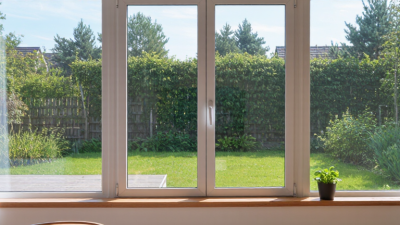
Choosing windows is not just a style decision. The right option can affect daylight, ventilation, comfort, cleaning, and energy use. Yet no single window type works best in every home. A wide picture window can frame a garden beautifully, but it does not open. A casement window lets in fresh air, though its outward swing may conflict with a walkway or nearby plants. Small details matter.
This guide compares common window styles, including double-hung, sliding, casement, awning, and picture windows. It explains how each design handles airflow, space, views, and routine maintenance. You will also see why frame material, glazing, installation quality, and local climate deserve attention. A high-performance window can still disappoint if it is poorly installed. That part is easy to overlook.
Think about how you use each room. A kitchen may benefit from an easy-to-open window, while a bedroom may need privacy and dependable ventilation. Consider who will clean the glass, how much sun reaches the room, and whether furniture blocks access. Then compare product specifications and ask qualified local professionals about installation and applicable building requirements. Manufacturer ratings can help, but they do not replace advice about your specific home.
There is no perfect answer. That is the point. The best windows for you are the ones that fit your home’s layout, climate, budget, and daily habits—not simply the ones with the most features. Some trade-offs remain, and that deserves a closer look.
Common Types of Windows and Their Key Features
Window styles affect ventilation, cleaning, privacy, and how a room feels. The best fit depends on the wall, the room’s use, and how much airflow you want. A kitchen window above a counter, for example, may need to open without hitting the faucet. Small details matter.
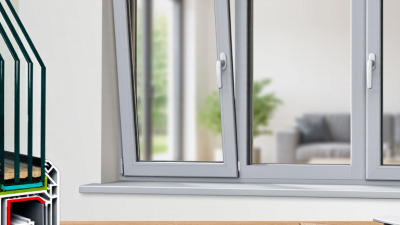
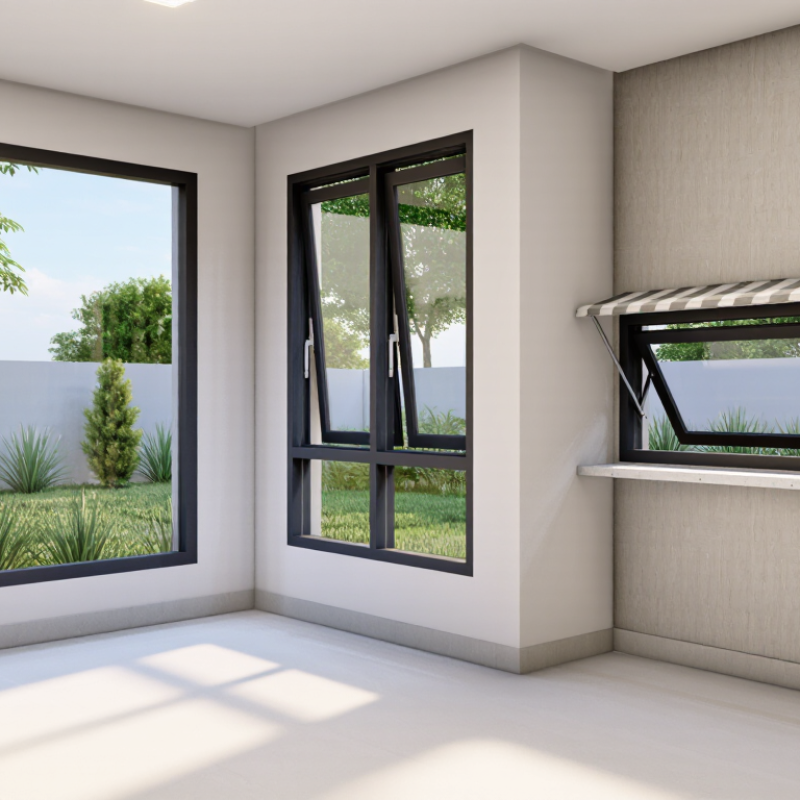
Double-hung windows have two movable sashes, so air can enter from the top or bottom. They suit many traditional rooms and are often easier to clean when both sashes tilt inward. Single-hung windows look similar, but only the lower sash moves. Casement windows hinge at the side and open outward with a crank. They can catch passing breezes, though nearby shrubs or walkways may limit their swing. Sliding windows move horizontally and work well where an outward-opening sash would be awkward.
Awning windows hinge at the top and open outward, offering ventilation during light rain, but they may not suit every exterior location. Picture windows do not open, yet their broad glass can bring in daylight and frame a garden view. They need separate ventilation nearby. Bay and bow windows project beyond the wall, adding a ledge or extra interior space, but their size can affect cost and installation. Even familiar styles have trade-offs; cleaning access and the direction a window faces are easy to overlook.
What Is the Best Type of Windows for You? — Common Types of Windows and Their Key Features
| Window Type | How It Opens | Ventilation | Key Advantages | Things to Consider | Often a Good Fit For |
|---|---|---|---|---|---|
| Single-Hung | The lower sash moves vertically; the upper sash stays fixed. | Air enters through the lower opening. | Simple operation and a traditional appearance; only one sash moves. | Cleaning the outside of the upper sash can be difficult from indoors, especially on upper floors. | Traditional homes and rooms where straightforward, space-saving operation is desired. |
| Double-Hung | Both the upper and lower sashes move vertically; many models tilt inward for cleaning. | Can open at the top, bottom, or both, allowing flexible airflow. | Versatile ventilation and convenient cleaning when the sashes tilt inward. | Airflow depends on the sash design and opening size; moving parts may require periodic maintenance. | Bedrooms, living spaces, and homes with a classic window style. |
| Casement | A side-hinged sash swings outward, usually using a crank. | The open sash can catch breezes and direct air indoors. | Opens widely and can provide a clear view without a central meeting rail. | Needs outdoor clearance; the sash may be exposed to strong wind when open. | Areas where a wide opening or breeze-directed ventilation is useful. |
| Awning | Hinged at the top and pushed outward from the bottom. | Provides ventilation through the lower opening. | The outward-sloping sash can help shield the opening from light rain. | Projects outside and may obstruct walkways or nearby exterior features. | Bathrooms, basements, and other locations where ventilation with some rain protection is useful. |
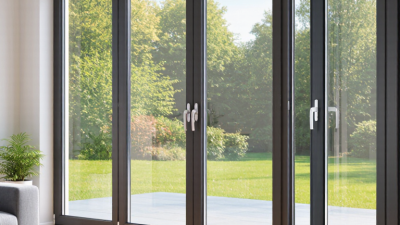
| Sliding | One or more sashes slide horizontally along a track. | Ventilation is available through the portion that opens. | Does not swing inward or outward, making it suitable where clearance is limited. | Tracks need to be kept clean; typically only part of the overall window area opens. | Wide wall openings and rooms beside patios, paths, or other tight spaces. |
| Fixed (Picture) | Does not open. | None through the window itself. | Offers an unobstructed view and can admit daylight; fewer operating parts. | Must be paired with an opening window or other ventilation source when fresh air is needed. | View-focused areas, stairwells, and spaces where ventilation is provided elsewhere. |
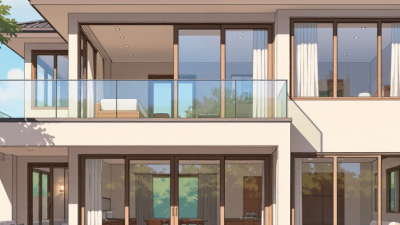
| Bay or Bow | Projects outward from the wall; the center panel is often fixed, with side panels that may open. | Depends on whether the side panels are operable. | Adds a broad view and can create extra interior space or a ledge. | Usually requires more structural support and careful planning for the exterior projection. | Living rooms and other areas where a prominent view or a wider-feeling interior is desired. |
| Skylight | Installed in the roof; some models open, while others are fixed. | Operable models can release warm air that collects near the ceiling. | Brings daylight into roof-level rooms and interior spaces. | Requires suitable roof placement and careful installation to manage weather exposure and heat gain. | Attics, lofts, and rooms with limited access to exterior wall windows. |