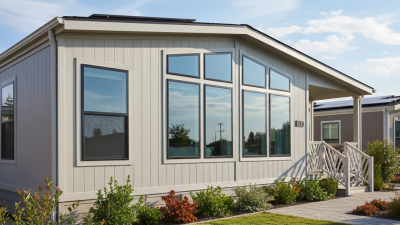
Mobile home windows are not simply smaller versions of standard house windows. Their frames, installation methods, and dimensions often suit factory-built wall systems, where space and weight matter. The term “mobile home” is still widely used, though many newer homes are technically manufactured homes. That distinction matters when comparing products.
The U.S. Census Bureau and HUD’s Manufactured Housing Survey reported 89,169 manufactured-home shipments in 2023. That figure describes the scale of the market, not a universal window design. Details vary by home age, maker, and model. Some units have thinner walls or different rough openings than site-built houses, so a replacement window may need careful measuring before ordering. A tape measure and a look behind the interior trim can reveal more than a product label.
Ratings matter, too. The National Fenestration Rating Council (NFRC) labels products for measures such as U-factor and solar heat gain coefficient. These help buyers compare thermal performance, but they do not guarantee a perfect fit or lower bills in every home. The U.S. Department of Energy also advises considering climate and installation quality when selecting efficient windows. Small gaps can invite drafts and moisture. Not glamorous, but important.
This guide explains why mobile home windows differ, what to check before replacement, and how to compare options. One caution: “mobile home window” is not one standard size or specification. Verify the opening and the existing frame before buying.
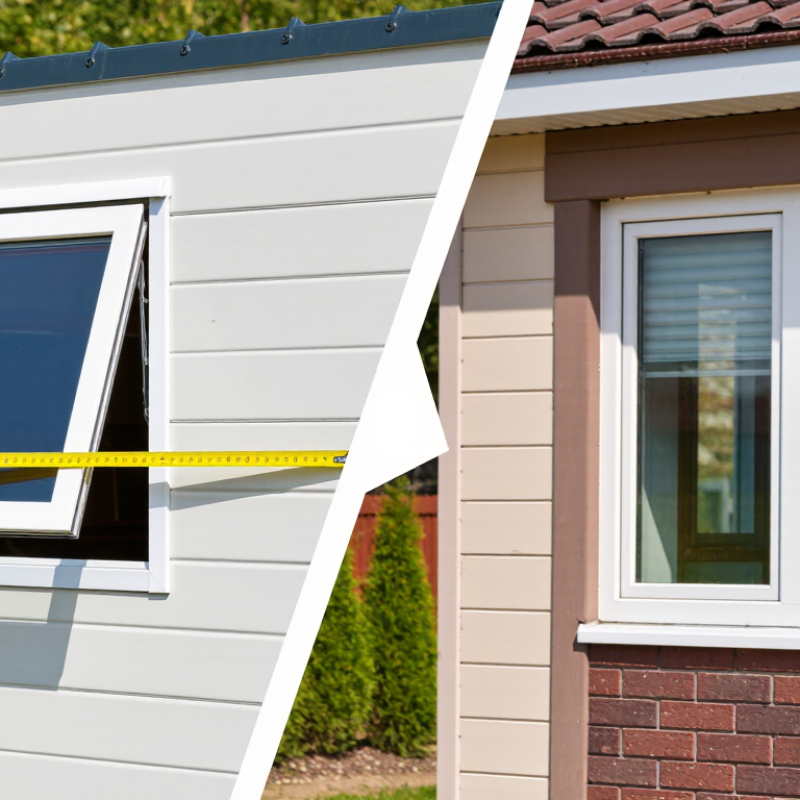
A mobile home window is defined by how it fits a factory-built home’s wall, not simply by its appearance. Its frame depth, overall dimensions, and mounting method must suit the home’s construction. Some units are made for thinner wall assemblies or specific opening sizes, but designs vary by home and age. That matters. A window that looks similar to a standard house window may not fit the opening or seal correctly.
The full assembly includes the frame, sash, glazing, and hardware. When replacing a unit, measure the existing window and opening carefully, and check the home’s documentation when available. Pay attention to how the original window attaches and how water is directed away from the wall. A poor fit can leave gaps, drafts, or signs of moisture. The label alone is not enough. It is easy to overlook small differences in frame depth, even when two windows appear identical.
Tips: Record the opening’s width and height at several points. Compare those measurements with the manufacturer’s specifications, and confirm installation details before ordering.
Mobile home windows often differ in size because their openings are designed around a specific floor plan and wall system. A window that looks standard from outside may still have a different frame depth or mounting edge. There is no single size that fits every home. Older units can vary, too.
Measure carefully. Check the opening at the top, middle, and bottom, and record its height and width. Also note the wall thickness and how the existing frame attaches. Some manufactured-home windows use a mounting flange suited to thinner walls; a conventional residential window may not sit flush or seal correctly. Small gaps matter. A cold draft can reveal them.
Frame materials and construction vary as well. Aluminum frames are light, while vinyl frames can offer different insulation and maintenance characteristics. Neither is automatically right for every opening. Confirm the replacement window’s dimensions, frame depth, and installation method against the actual opening, not just the old unit’s visible glass. That detail is easy to overlook. Measurements can still be imperfect, especially when trim hides the rough opening, so remove trim only when it is safe and practical. When uncertain, ask a qualified installer to verify the fit before ordering.
| Comparison | Manufactured (Mobile) Homes | Site-Built Homes | What to Check Before Replacing a Window |
|---|---|---|---|
| Size conventions | Window dimensions and naming conventions vary by home, construction era, and opening. There is no single size that fits every manufactured home. | Sizes also vary; residential products are commonly selected to suit the specific rough opening rather than a universal house-wide standard. | Use the existing opening and the replacement manufacturer’s sizing instructions. Do not rely on a “standard mobile-home size” alone. |
| How to measure | Replacement units may be sold by frame size, call size, or the opening they fit. These measurements are not necessarily interchangeable. | Installers typically distinguish the window unit’s dimensions from the rough opening in the wall. | Measure width and height at multiple points, record the smallest measurements, and identify whether you measured the frame, rough opening, or visible glass. |
| Frame and wall interface | Some replacement windows are made with configurations suited to manufactured-home wall assemblies, including particular exterior flanges or trim details. | Many products are designed around common site-built framing details, such as a nailing flange and deeper wall finishes. | Compare the flange, mounting surface, frame depth, and trim method with the existing installation. Product designs differ, so check the installation guide. |
| Wall depth and interior trim | Wall construction and interior finish depth can differ from those in a site-built house, affecting how a replacement frame meets the wall. | Wall depth depends on the framing, sheathing, insulation, and interior finish used in that home. | Check the distance from the exterior mounting surface to the interior finish so the new frame and trim can be fitted correctly. |
| Frame materials | Existing units may use materials such as aluminum, vinyl, or other frame types; material alone does not identify the correct replacement size. | Vinyl, wood, aluminum, and composite frames are also used, depending on the window and building. | Choose a compatible frame and installation method, and inspect the surrounding wall for water damage before fitting a new unit. |
| Opening style and egress | Units may be fixed, sliding, or hinged. Bedroom egress needs depend on the applicable requirements and the window’s actual clear opening. | The same broad operating styles are available; applicable egress requirements depend on local rules and the building. | For a bedroom window, verify the required clear opening and operation with the relevant local authority or a qualified installer. Glass dimensions are not the same as clear opening dimensions. |
| Age and standards | Older homes may have different original construction and window details from newer manufactured homes; the home’s age and existing opening matter. | Older site-built homes can also have nonstandard openings and construction details. | Identify the home’s construction era and inspect the existing unit. Confirm that any proposed alteration meets applicable safety and building requirements. |
| Best replacement approach | A replacement specifically compatible with the existing opening and wall assembly can simplify fitting, but compatibility must be confirmed for each unit. | A standard residential window may fit only when its dimensions, mounting details, and wall conditions match the opening. | Provide the supplier with measured dimensions, frame and flange details, wall depth, and photos of both sides of the existing window. |
Mobile-home windows are designed around factory-built walls, repeated floor plans, and transportable sections. Their frames must suit the home’s wall depth, siding, and framing—not just the opening size. That fit matters. A window that sits too far inward can leave awkward trim gaps; one that is too deep may interfere with interior finishes.
The U.S. Census Bureau’s 2023 Manufactured Housing Survey recorded about 89,000 new manufactured-home shipments. At that scale, repeatable window dimensions and fastening points help factories assemble homes consistently. HUD’s Manufactured Home Construction and Safety Standards, in 24 CFR Part 3280, set requirements that affect areas such as structural integrity, emergency egress, and energy performance. A replacement window therefore needs to match the opening and meet the home’s applicable requirements, not merely resemble a conventional-house unit.
Measure carefully. Details vary. Wall thickness, frame style, and installation method can differ—even between homes that look alike. I’ve seen this distinction underestimated: a familiar-looking window is not always a direct fit.
Mobile-home window replacement is less like swapping a standard house window and more like matching a fitted component. Manufactured homes can have thinner walls, narrower framing, and windows secured through exterior siding. Measure the frame opening, wall depth, and flange position before ordering. A window that looks right may still leave gaps or interfere with siding.
Installation details matter. Some homes use flange-mounted windows; others have different frame and trim arrangements. Removing the old unit can expose damp wood or loose fasteners, especially around lower corners. Small differences matter. Check the home’s data plate or original documents, and confirm applicable local requirements before changing window size or location. HUD’s Manufactured Home Construction and Safety Standards address window glazing and construction; preserving the original opening helps avoid unintended changes to safety features.
Replacement also affects comfort. The U.S. Department of Energy’s Energy Saver guidance estimates that window heat gain and loss account for about 25%–30% of residential heating and cooling energy use. Compare NFRC-rated U-factor and solar heat gain coefficient, rather than relying on glass appearance alone. An insert replacement may preserve siding, while a full-frame installation can reveal hidden damage but requires more exterior work. The right method is not always obvious; checking the sill and framing first can prevent an expensive second visit.
Choosing replacement windows starts with the opening, not the catalog. Mobile homes may have different frame dimensions, wall thicknesses, and installation details from site-built houses. Measure the existing frame in several places, then confirm the new unit’s requirements before ordering. Small gaps matter. Even a slight mismatch can make installation harder and invite drafts or water.
Consider climate and daily use. In hot, sunny rooms, lower solar heat gain can reduce glare and cooling demand. Colder areas may need stronger insulation and tight weather seals. Compare the window’s U-factor and solar heat gain rating, not just its glass appearance. If you rely on open windows for ventilation, check screen fit and sash movement. A stiff sash gets ignored.
Check frame material, drainage paths, and the surrounding wall’s condition. A new window cannot repair soft or water-damaged framing. Confirm that the unit suits the existing opening and mounting method; mobile-home construction varies. If measurements conflict or the wall feels spongy, pause and ask an experienced installer to inspect it. Fit may seem like a small detail, but a beautiful window performs poorly when its seal is wrong.