Choosing the right mobile home windows is not simply a matter of comparing prices or frame colors. Climate changes how every window performs. A desert home may need strong solar control, while a cold northern location demands better insulation and tighter seals. Coastal areas add wind, salt air, and driving rain to the decision.
This guide explains how to evaluate mobile home windows for different weather conditions. It considers glass type, U-factor, solar heat gain coefficient, frame materials, ventilation, and installation quality. These details affect indoor comfort, energy use, condensation, and long-term maintenance. A window can look impressive in a showroom and still perform poorly if its dimensions are wrong or the surrounding wall is not sealed carefully.
Measure twice.
Reliable choices begin with verified manufacturer specifications and practical site observations. Check the window opening, wall thickness, drainage path, and exposure to afternoon sun. Look for visible drafts, soft framing, water stains, or brittle seals before selecting a replacement. Those clues often explain more than a sales label.
There is no universal best window. A highly insulated unit may be unnecessary in a mild climate, while a basic single-pane design can struggle during freezing nights or extreme heat. Even expert recommendations have limits when installation conditions are unknown. Local building guidance should also be reviewed, because requirements can differ by region and community.
The following sections will help you compare materials, glass packages, operating styles, and installation methods. The goal is practical: choose mobile home windows that suit your climate, budget, and daily living conditions. Small details matter.
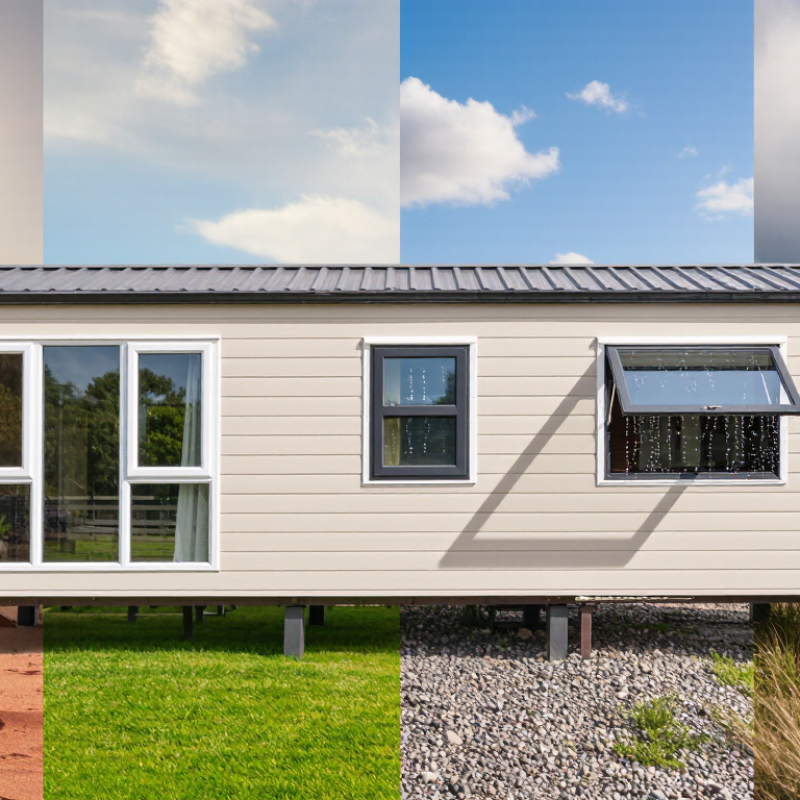
Window selection begins with climate, not appearance. Manufactured homes often use compact openings, thin wall systems, and replacement windows with specific mounting requirements. The U.S. Department of Energy reports that windows can cause 25–30% of residential heating and cooling energy use. That makes glass performance important. In cold regions, choose double-pane glass, low-E coatings, warm-edge spacers, and a low U-factor. In hot climates, a lower solar heat gain coefficient helps limit afternoon heat. Shade still matters.
Window types also match daily weather. Horizontal sliders are convenient, but their meeting rails can leak if seals age. Single-hung windows usually offer fewer moving parts. Casement windows can provide tighter compression seals, especially during windy weather. In humid coastal areas, use corrosion-resistant hardware, reinforced frames, and properly flashed openings. Wind ratings should match local building requirements, not guesswork. The National Fenestration Rating Council explains that U-factor measures heat transfer, while SHGC measures solar heat entering the home.
I have seen owners choose the lowest price and regret weak latches, rattling sashes, or condensation. A perfect window does not exist. Measure the rough opening twice, inspect framing damage, and confirm the replacement method before ordering. DOE guidance supports professional air sealing around the frame; expanding foam should not distort the window. Climate labels help, but orientation and installation quality can change the result. A north-facing window may need different performance than a west-facing window, even in the same home.
2026 How to Choose Mobile Home Windows for Any Climate?
Assessing Insulation, Energy Efficiency, and Weather Resistance
A suitable window begins with the local climate, not the product’s appearance. In cold regions, choose insulated glass with a low U-factor. This reduces heat loss near beds, tables, and exterior walls. In hot climates, a low solar heat gain coefficient can limit afternoon heat. Low-emissivity coatings may improve comfort in both conditions. Double glazing often works well, while triple glazing can help during severe winters. However, added weight may require careful structural review in a mobile home.
Air leakage deserves equal attention. Inspect the frame, sash, and locking points for tight seals. A small draft can create cold floors and higher heating bills. In humid areas, poor insulation may produce condensation behind curtains. That hidden moisture can damage trim and framing. Ventilation still matters. A highly sealed window cannot solve every indoor moisture problem.
Weather resistance depends on installation as much as glass. Use compatible flashing, sloped sill drainage, and durable exterior sealants. Coastal homes need materials that tolerate salt-laden air. Windy locations require verified pressure ratings and secure anchoring. Snowy areas need protection from ice buildup and blocked drainage paths. Check performance labels and local building requirements before ordering. A practical mistake is comparing U-factors while ignoring installation quality. No window performs well when gaps remain around the frame. My own preference would be to measure twice, inspect the wall condition, and accept that the cheapest option may not be the most reliable.
| Climate or Exposure | Main Performance Concern | Recommended Window Configuration | Target U-Factor (Btu/h·ft²·°F) |
Recommended SHGC | Air Leakage Target (cfm/ft²) |
Weather-Resistance Priorities |
|---|---|---|---|---|---|---|
| Cold or Very Cold | Heat loss, interior surface condensation, and drafts during long heating seasons. | Double- or triple-pane insulated glass; low-emissivity coating; argon-filled cavities; thermally improved vinyl, fiberglass, or composite frames. | ≤ 0.30 Prefer ≤ 0.25 in severe cold |
0.40–0.55 | ≤ 0.30 | Warm-edge spacer, continuous perimeter seals, insulated frame chambers, and properly sealed installation gaps. |
| Mixed-Humid or Temperate | Seasonal heating and cooling loads, humidity, and occasional wind-driven rain. | Double-pane low-emissivity glazing with a climate-appropriate coating; insulated frame; operable units with compression seals. | ≤ 0.32 | 0.30–0.50 | ≤ 0.30 | Flashed sill, sloped exterior sill, head flashing, durable weatherstripping, and sealed frame-to-wall joints. |
| Hot-Dry | Solar heat gain, intense ultraviolet exposure, and large day-to-night temperature swings. | Double-pane low-emissivity solar-control glass; insulated frame; exterior shading or overhangs where practical. | ≤ 0.35 | 0.20–0.35 | ≤ 0.30 | UV-resistant seals, durable exterior finishes, corrosion-resistant hardware, and protection from direct solar exposure. |
| Hot-Humid or Coastal | Cooling energy, condensation, wind-driven rain, salt air, and corrosion. | Double-pane low-emissivity solar-control glazing; thermally improved frame; corrosion-resistant hardware and fasteners. | ≤ 0.35 | 0.20–0.30 | ≤ 0.30 | High-quality interlocking seals, sill pan or equivalent drainage, pressure-equalized weep paths, and corrosion-resistant components. |
| High Wind or Storm-Prone | Wind pressure, wind-borne debris, water intrusion, and frame movement. | Tested impact-rated or wind-rated assembly where required; laminated glazing when specified by local rules; reinforced frame and secure anchorage. | ≤ 0.35 | 0.25–0.45 | ≤ 0.30 | Verify local design-pressure rating, water-penetration test rating, approved anchoring method, multi-point locking, and compatible flashing. |
| Mountain or High Elevation | Cold nights, strong sunlight, freeze-thaw cycles, and pressure differences that can stress seals. | Low-U double- or triple-pane glazing; low-emissivity coating; insulated frame; factory-sealed insulating glass unit rated for the installation elevation. | ≤ 0.30 | 0.35–0.55 | ≤ 0.30 | Freeze-resistant sealants, protected drainage paths, correct installation tolerances, and careful inspection of glazing-unit seals. |
Choosing mobile-home windows by appearance is a costly shortcut. The U.S. Department of Energy estimates windows cause roughly 25–30% of residential heating and cooling energy use. In hot climates, choose low-SHGC glass to reduce intense solar gain. In cold climates, prioritize a low U-factor and carefully selected solar exposure. South-facing windows may benefit from controlled winter sunlight. Small details matter.
For humid regions, select moisture-resistant frames and insulated glazing with warm-edge spacers. Vinyl resists corrosion, while fiberglass usually tolerates temperature changes better. Aluminum can conduct heat quickly without a thermal break. Watch the glass on a cool morning. Persistent interior condensation often signals weak insulation, poor airflow, or excessive indoor humidity.
Storm-prone locations require more than thick glass. Check independently verified resistance to wind pressure, water penetration, and flying debris under ASTM E1886 and E1996 testing. Also confirm the window suits the mobile home’s wall thickness and replacement opening. The National Fenestration Rating Council label helps compare U-factor, SHGC, visible transmittance, and air leakage. ENERGY STAR guidance also varies by climate zone, so one “efficient” window may perform poorly elsewhere. I would not trust a climate label alone. Local NOAA 1991–2020 climate normals, building orientation, shade, and installation quality deserve equal attention.
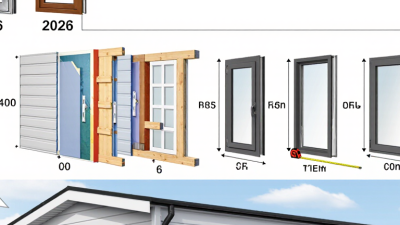
Measuring openings correctly is the first technical decision. Measure width and height at the top, middle, and bottom of each opening. Record the smallest measurement, then check both diagonals for squareness. A difference between diagonals can signal movement, damaged framing, or earlier installation errors.
Do not measure the old sash alone. Measure the actual framed opening and confirm wall thickness, siding, trim, and flange requirements. A small mistake here can leave visible gaps.
The U.S. Department of Energy’s Energy Saver guidance reports that windows may represent 25% to 30% of residential heating and cooling energy use. Climate matching therefore matters. In cold regions, select a lower U-factor to reduce heat loss. In hot, sunny regions, a lower solar heat gain coefficient can limit indoor heat.
The National Fenestration Rating Council explains that these ratings allow consistent comparisons across window products. For mixed climates, balanced ratings usually work better than choosing one number blindly.
Mobile homes need extra structural care. Their wall systems are often thinner than site-built walls, and replacement windows may require specific mounting depths. Follow the manufactured-home installation requirements in HUD 24 CFR Part 3280, including secure attachment and weather-resistant sealing.
Use compatible flashing, shims, and exterior sealant. Do not force a tight unit into a distorted opening.
I have seen measurements look correct on paper but fail at the sill. Recheck the opening after removing trim; that imperfect step can prevent a costly adjustment.
For mobile homes, installation quality often matters as much as the window itself. The U.S. Department of Energy reports that windows can cause 25–30% of residential heating and cooling energy use. In a cold climate, choose low U-factor glass and a carefully sealed replacement. In hot regions, a lower solar heat gain coefficient can reduce afternoon heat near south-facing rooms.
A retrofit window fits inside the existing frame and usually costs less. It can preserve interior trim, but it may hide damaged framing. A full-frame replacement exposes the rough opening and allows better inspection.
Flanged windows can suit manufactured-home walls, yet fastener placement must match the wall structure.
NFRC rating data helps compare U-factor, solar heat gain coefficient, visible transmittance, and air leakage. Those numbers are useful, not magical.
Maintenance should be practical. Inspect exterior sealant each spring, clear weep paths, and check for soft flooring below the window. The U.S. Department of Housing and Urban Development emphasizes secure, weather-resistant installation for manufactured housing. Small gaps can grow.
Long-term value depends on labor, not glass alone. A cheaper window with poor flashing may invite moisture damage. I would question any quote that ignores trim repair, drainage, or climate exposure.
Payback estimates also deserve caution, because local energy prices and occupant habits change the result. Salt air, dust, and repeated temperature swings can shorten service life. Annual inspection remains inexpensive insurance.