What Is Great Windows for Global Buyers?

Great windows are not defined by appearance alone. They must suit climate, orientation, building design, and local installation practice. A triple-glazed unit may perform well in Stockholm, yet create unwanted solar heat in Singapore.

The International Energy Agency’s 2024 Global Status Report for Buildings and Construction states that buildings consume about 30% of global final energy. The U.S. Department of Energy also reports that windows can account for 25–30% of residential heating and cooling energy use. These figures make window selection a practical energy decision, not merely a design preference. For global buyers, U-value, solar heat gain coefficient, air leakage, visible transmittance, and condensation resistance deserve careful comparison.

Building-science expert John Straube captures the basic challenge: “A window is a hole in the wall that needs to be controlled.” That principle remains useful when comparing great windows across markets. A reliable product should carry verifiable test results, clear warranty terms, and certification suited to its destination. NFRC, ENERGY STAR, CE marking, and local standards may apply differently.

Details matter.

Ask about spacer materials, glass coatings, frame expansion, drainage paths, and replacement support. A beautiful frame cannot compensate for poor installation. Nor can a low advertised U-value guarantee comfort beside a west-facing glass wall.

There is no universal winner. That is the uncomfortable part. Buyers may still overlook shading, humidity, or installer skill. Great windows should therefore be judged as complete systems, not isolated products. The strongest choice balances measured performance, regional evidence, long-term maintenance, and honest technical advice.

What Is Great Windows for Global Buyers?

Defining Great Windows: DOE Says They Influence 25–30% of Home Energy Use

What Is Great Windows for Global Buyers?

The U.S. Department of Energy estimates that windows can influence 25–30% of a home’s heating and cooling energy use. This figure shows why window selection deserves more than a style-based decision. In a cold region, poorly insulated glass can create a cold indoor surface and increase heating demand. In a hot, sunny climate, unwanted solar gain can make rooms feel uncomfortable and push air-conditioning systems harder.

A practical evaluation should include U-factor, solar heat gain coefficient, visible light, and air leakage. Lower U-factor usually means better resistance to heat transfer. A suitable solar heat gain coefficient depends on climate, window direction, shading, and room use. South- or west-facing glass may need stronger solar control. Small gaps matter. Even excellent glass performs poorly when installation leaves cracks around the frame.

Global buyers also need to check local building rules and weather conditions. Coastal areas may require corrosion-resistant materials, while regions with storms need tested impact performance. Noise, humidity, dust, and maintenance deserve attention too. Looks can mislead. A slim frame may appear efficient, but its full-window performance can differ from its center-glass rating. Labels also vary between markets, so comparing test methods is essential. I would not treat the DOE figure as a promise for every home; occupant habits, insulation, ventilation, and climate can change actual results. That limitation is easy to overlook.
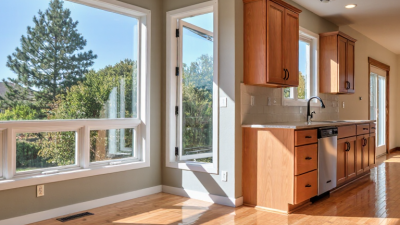
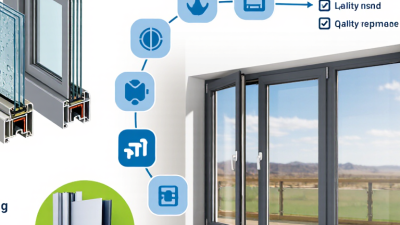
Measuring Performance: U-Factor, SHGC, VT, Air Leakage, and STC Ratings

For global buyers, a great window is not defined by appearance alone. Its ratings should match the building’s climate, orientation, and daily use. U-factor measures heat transfer; lower values generally reduce winter heat loss. In a cold apartment, this can make the glass feel less chilly near a sofa. Yet an extremely low U-factor may not be the only priority in a hot coastal home. Framing quality and installation still matter.

SHGC shows how much solar heat enters through the window. A lower rating can help sun-exposed rooms, while a higher rating may support passive winter warmth. VT indicates visible light transmission. High VT can brighten a room, but glare may become uncomfortable beside a large south-facing desk.

Air leakage is equally practical. Lower leakage means fewer drafts and less energy waste. Ask for a tested value, not a sales adjective. On site, even good glass performs poorly around an uneven opening.

STC estimates resistance to airborne noise, such as traffic or conversation. It does not fully predict low-frequency trucks or upstairs impact sounds. Request certified test data and check whether the rating covers the complete window assembly. Ratings from different laboratories may not be directly comparable.

I have seen a quiet-looking showroom sample fail to solve a bedroom’s street noise after installation. That gap deserves honest review. Compare climate data, test methods, glazing, seals, and installation details before choosing.

Comparing Global Standards: NFRC, EN 14351-1, and ISO 10077 Requirements

What Is Great Windows for Global Buyers?

Comparing Global Standards: NFRC, EN 14351-1, and ISO 10077 Requirements

Great windows are not defined by appearance alone. Their performance depends on climate, installation quality, and verified testing methods. Global buyers should read each standard carefully.

NFRC procedures commonly report U-factor, solar heat gain coefficient, visible transmittance, and air leakage. These values help buyers compare complete window products under controlled conditions. A lower U-factor usually means better insulation. However, installation details can change real-world results.

EN 14351-1 defines performance characteristics for windows and external doors in European markets. It covers areas such as watertightness, wind resistance, acoustic performance, and thermal properties. It is a product standard, not a single universal rating label. Documentation still matters.

ISO 10077 provides calculation methods for thermal transmittance. It examines frames, glazing, spacers, and junction details. Engineers may use it when measured testing is limited or when design comparisons are needed. Calculated results require accurate material data.

That sounds simple.

It is not always simple.

A buyer may compare an NFRC U-factor with an ISO-based value without checking boundaries or assumptions. That can create a misleading decision. I have seen specifications focus on glass while overlooking frames, seals, and installation gaps. Reliable evaluation should match the same product size, climate conditions, and calculation basis.

Ask for test reports. Check declared values. Verify the installation method before trusting impressive numbers.

Matching Climate Needs: Glazing Choices by DOE Climate Zone and Solar Exposure

What Is Great Windows for Global Buyers?

Matching Climate Needs: Glazing Choices by DOE Climate Zone and Solar Exposure

Choosing windows starts with climate, not appearance. The DOE climate zones offer a useful reference for heat, cooling, and moisture conditions. Global buyers should compare those zones with local temperature, humidity, wind, and building orientation. A cold-region home usually benefits from low U-factor glazing, insulated frames, and double or triple panes. These features reduce heat loss near a chilly bedroom wall.

Warm climates require a different balance. Lower solar heat gain coefficient, or SHGC, can reduce afternoon heat through west-facing glass. In mixed climates, moderate SHGC may prevent winter gains from disappearing. South-facing windows often respond well to exterior shading, such as deep overhangs. North-facing glass usually receives softer daylight. East and west exposures can be difficult. Morning and evening sun arrives at low angles.

Real buildings are messier.

Tips: Ask for tested U-factor and SHGC values, not only marketing descriptions. Compare the figures with your local energy code and window size. Check whether the glass includes low-emissivity coating, warm-edge spacers, and reliable air-sealing details. A skilled installer matters as much as the pane. Small installation gaps can undermine expensive glazing. Condensation risk also deserves attention in humid or very cold regions. The perfect specification may still fail when shading, ventilation, or workmanship is ignored. Review the design with a qualified local energy professional before ordering.

What Is Great Windows for Global Buyers? Matching Climate Needs: Glazing Choices by DOE Climate Zone and Solar Exposure

The chart compares representative heating and cooling degree-day values for the seven DOE Building America climate zones. Higher heating degree days indicate greater winter heat-loss risk, while higher cooling degree days indicate greater summer solar and cooling-load risk.

Values shown are representative midpoints of published DOE climate-zone degree-day ranges and are intended for early design comparison. Actual performance depends on orientation, shading, window-to-wall ratio, local weather data, and applicable energy codes.

Glazing Strategy by Climate Zone and Solar Exposure

DOE Zone Climate Profile Typical Glazing Direction Solar Exposure Guidance
1A Very hot and humid Double low-emissivity glazing with low SHGC, commonly about 0.20–0.30 Use exterior shading and reduce solar gain on east, south, and west elevations.
2A Hot and humid Low-SHGC low-e double glazing for cooling-load control Prioritize shading on east and west windows, where low-angle sun is difficult to block.
3A Warm and humid Double low-e glazing with low-to-moderate SHGC, commonly about 0.25–0.40 Balance daylight with shading; control east and west exposure first.
4A Mixed humid Double or triple low-e glazing with orientation-specific SHGC Use lower SHGC on cooling-sensitive façades; allow controlled south-facing winter gain where useful.
5A Cool and humid Triple low-e glazing is often advantageous; south-facing SHGC may be about 0.40–0.55 Use higher solar gain on well-shaded south windows when winter heat gain is beneficial.
6A Cold and humid Triple low-e glazing with very low U-factor and moderate-to-high south SHGC Maximize insulation; use solar gain selectively and provide summer shading.
7 Very cold High-performance triple glazing with very low U-factor Use controlled solar gain on sun-facing elevations while limiting conductive heat loss.

SHGC means Solar Heat Gain Coefficient: lower values admit less solar heat. U-factor measures heat transfer through the window: lower values generally provide better insulation. The glazing ranges above are practical design guidance, not universal code requirements.

Evaluating Value: ENERGY STAR Reports Up to 12% Energy-Bill Savings

What Is Great Windows for Global Buyers?

For global buyers, great windows should fit the building, climate, and daily budget. ENERGY STAR reports that qualified window replacements can deliver up to 12% in annual energy-bill savings. The figure is an upper estimate, not a guaranteed result. Actual savings depend on local weather, glass area, home insulation, and heating or cooling habits.

A practical evaluation begins with the window label. Check the U-factor for heat transfer, the solar heat gain coefficient for sunlight, and the air-leakage rating. Lower heat transfer may help in cold regions. Lower solar gain can reduce indoor heat in sunny climates. Orientation matters too. A west-facing window may receive intense afternoon sunlight through the glass.

Installation deserves equal attention. Even an efficient window can waste energy if the frame has gaps. Ask for measured openings, sealed joints, and written performance data. Compare projected savings with the replacement cost and expected service life. Not every home qualifies.

Independent certification provides useful evidence, but it cannot replace a site assessment. In older buildings, drafts may come from walls, doors, or roof spaces instead. A lower bill is not the whole story. Comfort near the glass, reduced condensation, and quieter rooms can matter every day. I would treat the 12% figure as a helpful benchmark, not a buying promise. Different climates need different priorities.

What Is Great Windows for Global Buyers? — Evaluating Value: ENERGY STAR Reports Up to 12% Energy-Bill Savings
Evaluation Dimension What to Check Evidence-Based Value Why It Matters to Buyers
Potential annual energy-bill savings Compare certified energy-efficient windows with conventional single-pane clear-glass windows. Up to 12% of annual home energy bills, according to ENERGY STAR guidance. Provides a clear benchmark for evaluating the long-term financial value of a window upgrade.
Illustrative annual savings Apply the 12% maximum reference point to different annual household energy bills. $1,000 annual bill: $120
$1,500 annual bill: $180
$2,000 annual bill: $240
These are mathematical examples, not guaranteed savings. Actual results vary by climate, building design, window area, energy prices, and installation quality.
U-factor Look for a lower U-factor on the product performance label. A lower U-factor indicates better resistance to heat transfer through the window assembly. Lower heat transfer can help reduce heating demand in colder seasons and improve indoor comfort.
Solar Heat Gain Coefficient (SHGC) Select a SHGC appropriate for the local climate, building orientation, and shading conditions. Lower SHGC limits unwanted solar heat gain; higher SHGC can allow more useful solar warmth in cold climates. Climate-appropriate selection can help balance cooling loads, heating needs, daylight, and comfort.
Visible Transmittance (VT) Compare how much visible daylight passes through the glazing. Higher VT generally means more daylight enters the room, subject to glass design and coatings. Good daylight performance may reduce the need for electric lighting during daylight hours.
Air leakage Review the certified air-leakage rating and installation details. Lower air leakage indicates a tighter window assembly. Reduced drafts can improve comfort and help limit unintended heat loss or heat gain.
Glazing construction Consider double- or triple-pane glazing, insulating gas fills, and low-emissivity coatings. Multiple panes and low-emissivity technologies can improve insulation compared with basic single-pane glass. Better insulation can support lower heating and cooling demand and reduce interior temperature swings.
Climate suitability Use performance criteria that match the local heating and cooling conditions. Window performance requirements are climate-sensitive; the best U-factor and SHGC combination depends on location and building exposure. A product optimized for one climate may not deliver the same value in another region.
Installation quality Verify proper sizing, flashing, sealing, drainage, and compatibility with the surrounding wall system. Real-world performance depends on both the window’s rated characteristics and the quality of installation. A well-rated window can underperform if it is poorly sealed, incorrectly fitted, or exposed to water intrusion.
Replacement baseline Identify whether the existing windows are single-pane, damaged, drafty, or already high-performing. The largest energy improvement is generally associated with replacing inefficient or poorly sealed windows. Understanding the starting condition prevents overstating expected savings.
Whole-home value Assess energy use together with comfort, condensation control, daylight, noise reduction, durability, and maintenance. Energy savings are only one part of the total value of a window upgrade. A balanced assessment supports better decisions for different climates, budgets, and building types.
Important note: The “up to 12%” figure is a maximum reference reported by ENERGY STAR for potential energy-bill savings in a specified replacement comparison. Actual savings are not guaranteed and depend on local climate, utility rates, window specifications, installation, building characteristics, and occupant behavior.